I remember packing for a hut-to-hut hike in the Alps. Jeans felt right at first, but by noon, I was chafing and overheated. Cute tops turned clammy. I looked the part in town but struggled on trails.
Travel outfits for women hiking need to shift with the day. Not too bulky, not too flimsy.
I've sorted this out over sweaty miles. You can too.
How Do You Style Travel Outfits For Women For Hiking?
This guide shows my go-to way to style outfits that handle airport waits, bus rides, and steep climbs without bulk or fuss. You'll end up comfortable from trailhead to town, clothes that dry fast and move with you.
What You’ll Need
- Women's long-sleeve moisture-wicking hiking shirt, UPF 50+, light gray
- Convertible quick-dry hiking pants for women, nylon, khaki, size 8
- Mid-weight merino wool hiking socks, crew length, black
- Women's lightweight hiking boots, waterproof, brown leather, size 8
- Packable rain shell jacket for women, green, XS
- Quick-dry sports bra, medium support, black
- Neck gaiter buff, multi-use, gray heather
- Lightweight daypack, 20L, olive green
Step 1: Build from Moisture-Wicking Base Layers
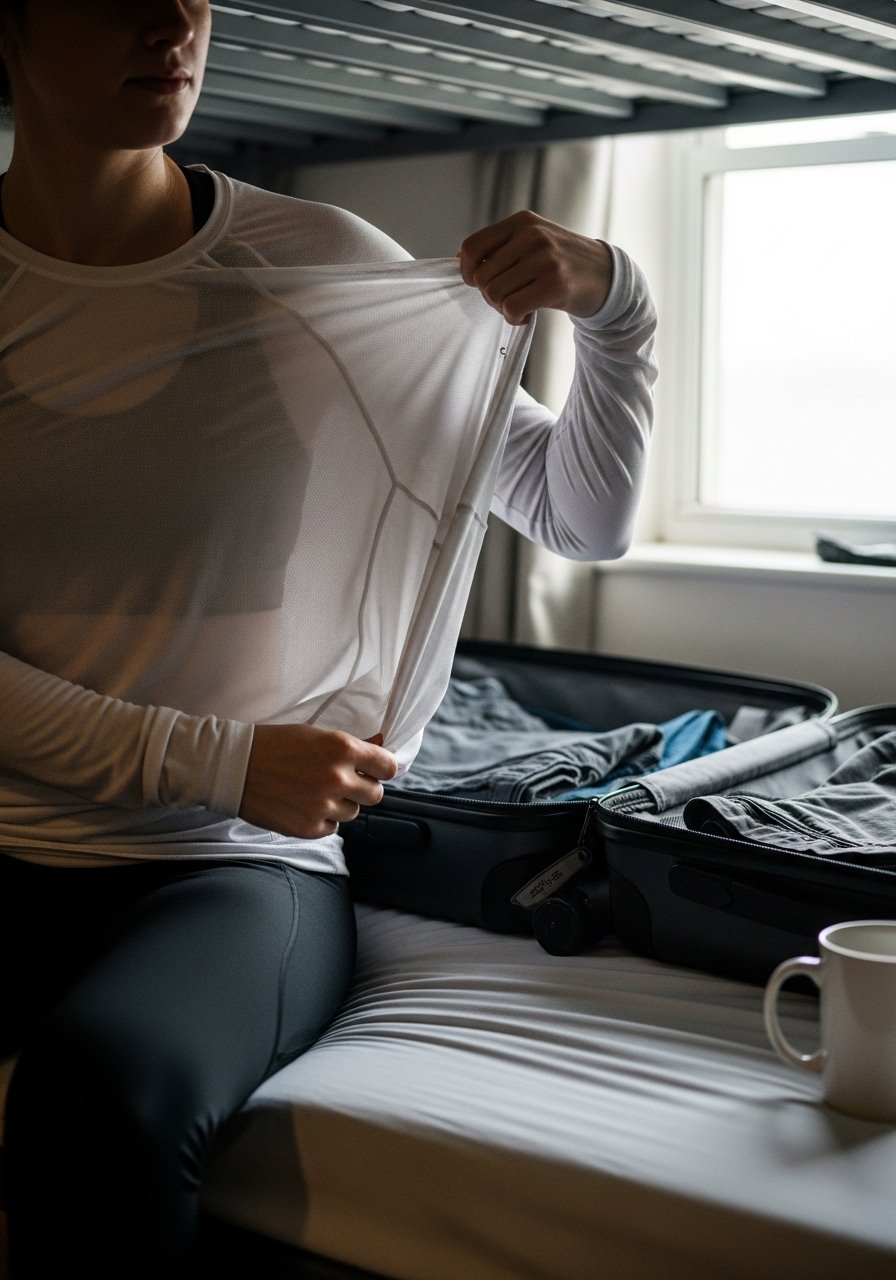
I start every hike outfit with a breathable base. Pull on the quick-dry sports bra and long-sleeve shirt right after waking. They pull sweat away fast, keeping me dry through morning mist or afternoon sun.
This changes everything—skin stays cool, no sticky shifts mid-stride. Most miss how a good base prevents chafing on long descents.
Don't grab cotton; it holds damp like a sponge. I've ruined days that way. Stick to synthetics or merino. Layer it loose at wrists for airflow.
Feels balanced now, ready for pants.
Step 2: Pick Pants That Convert and Dry Fast
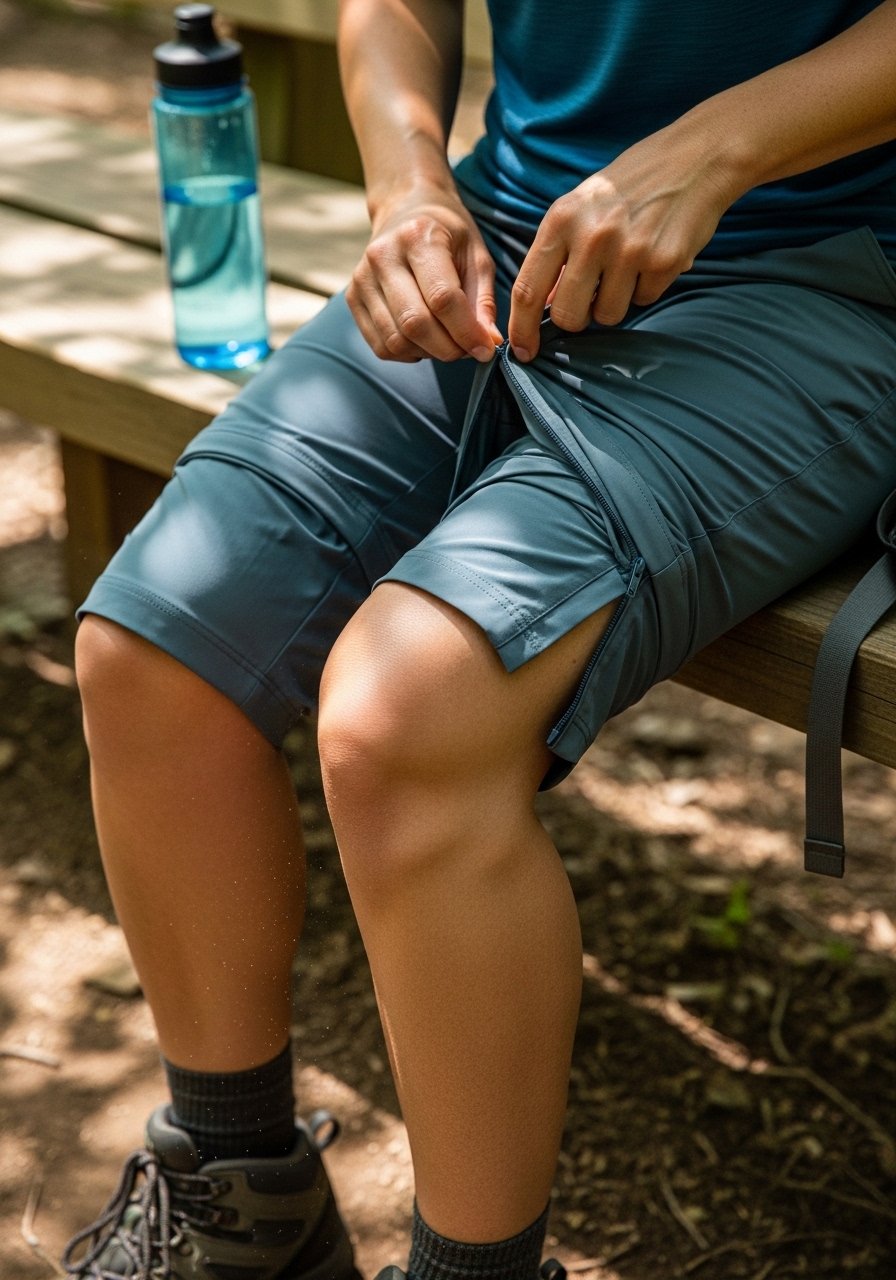
Next, I slide into convertible hiking pants. Zip off the legs when heat builds or rivers call. They dry overnight on a line, no sag from trail spray.
Suddenly, one piece handles dawn chill and midday blaze. People overlook convertibles for style—they pack flat, swap seamless.
Skip heavy denim; it weighs you down. I learned that hauling wet jeans uphill. Choose nylon blends. Roll cuffs if needed for stream crossings.
Outfit flows better, versatile for town stops.
Step 3: Lace into Supportive Boots and Socks
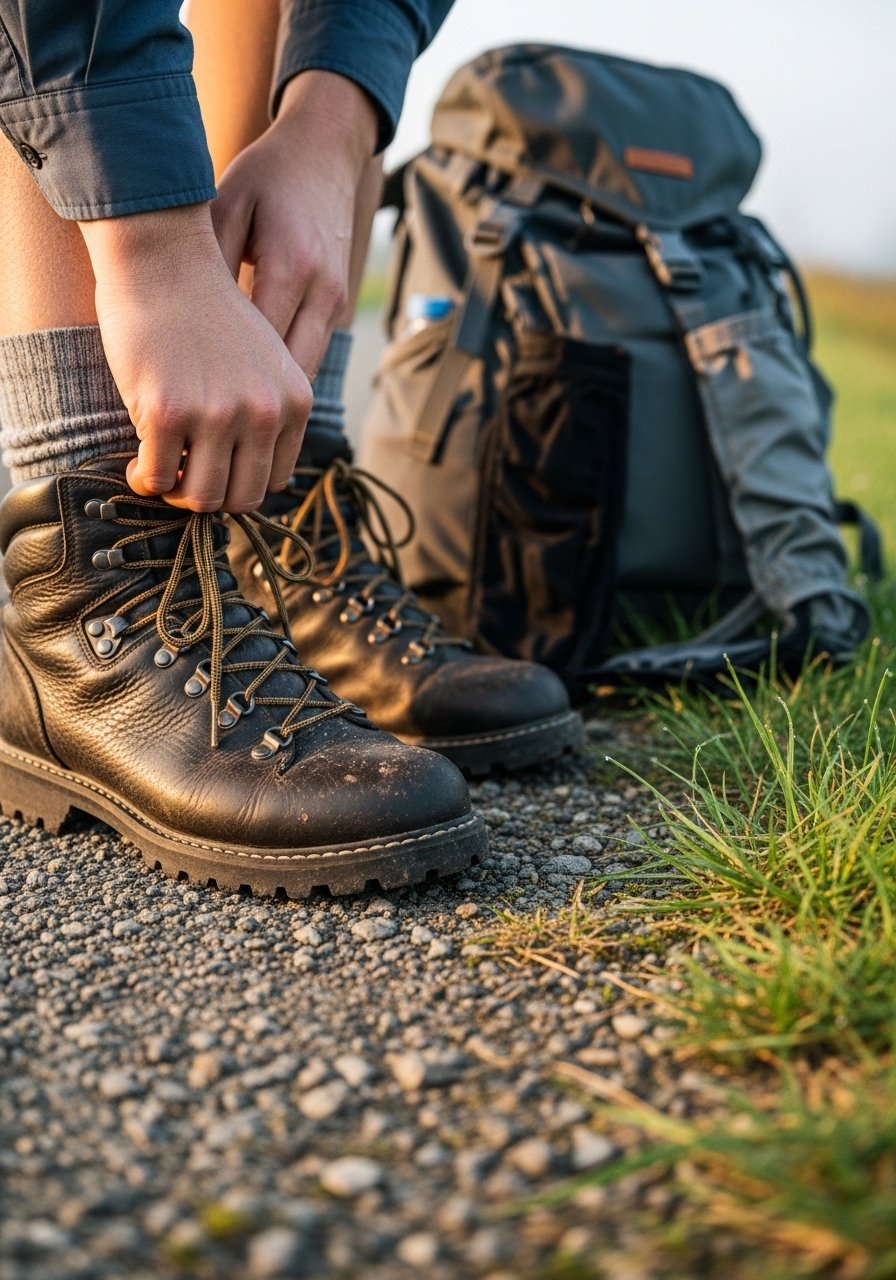
I sit on my pack and pull on merino socks, then boots. Thick enough for rocks, thin for breath. Lace firm but not tight—room for swelling feet.
Traction kicks in here; no slips on wet roots. Insight: wool socks prevent blisters better than synthetics alone.
Avoid thin runners' socks; they tear easy. I've hobbled back from that mistake. Break boots in pre-trip walks.
Steps feel solid, miles ahead comfortable.
Step 4: Layer a Packable Shell for Shifts
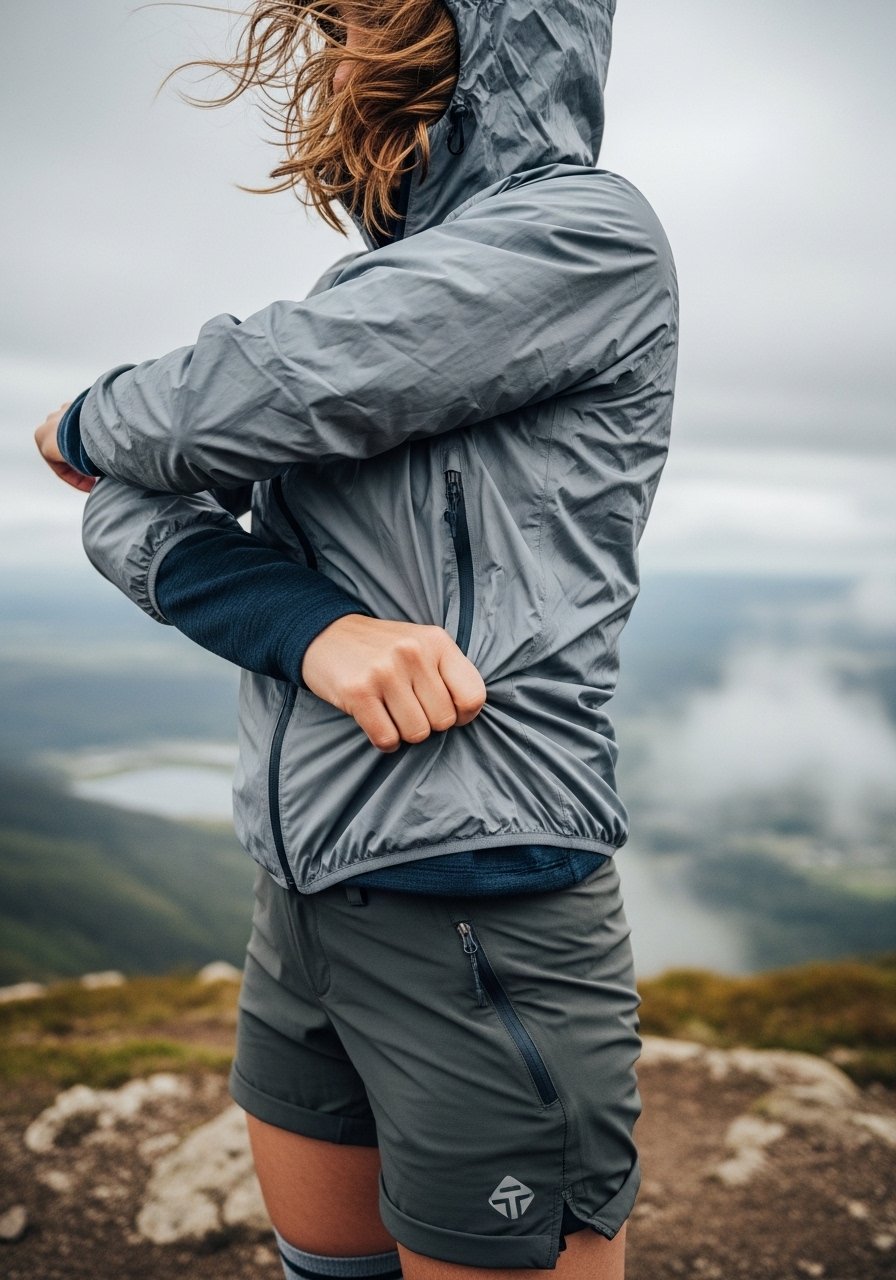
When clouds gather, I shrug on the rain shell. Packs to fist-size, blocks wind without bulk. Stuff it in a pocket when sun returns.
Protection without sweat-trap heat. Folks forget packable means daypack-friendly—no shoulder strain.
Don't over-layer early; you overheat fast. I sweated through fleece once. Test zips for ventilation.
Ready for whatever, light as before.
Step 5: Add a Gaiter and Pack Smart
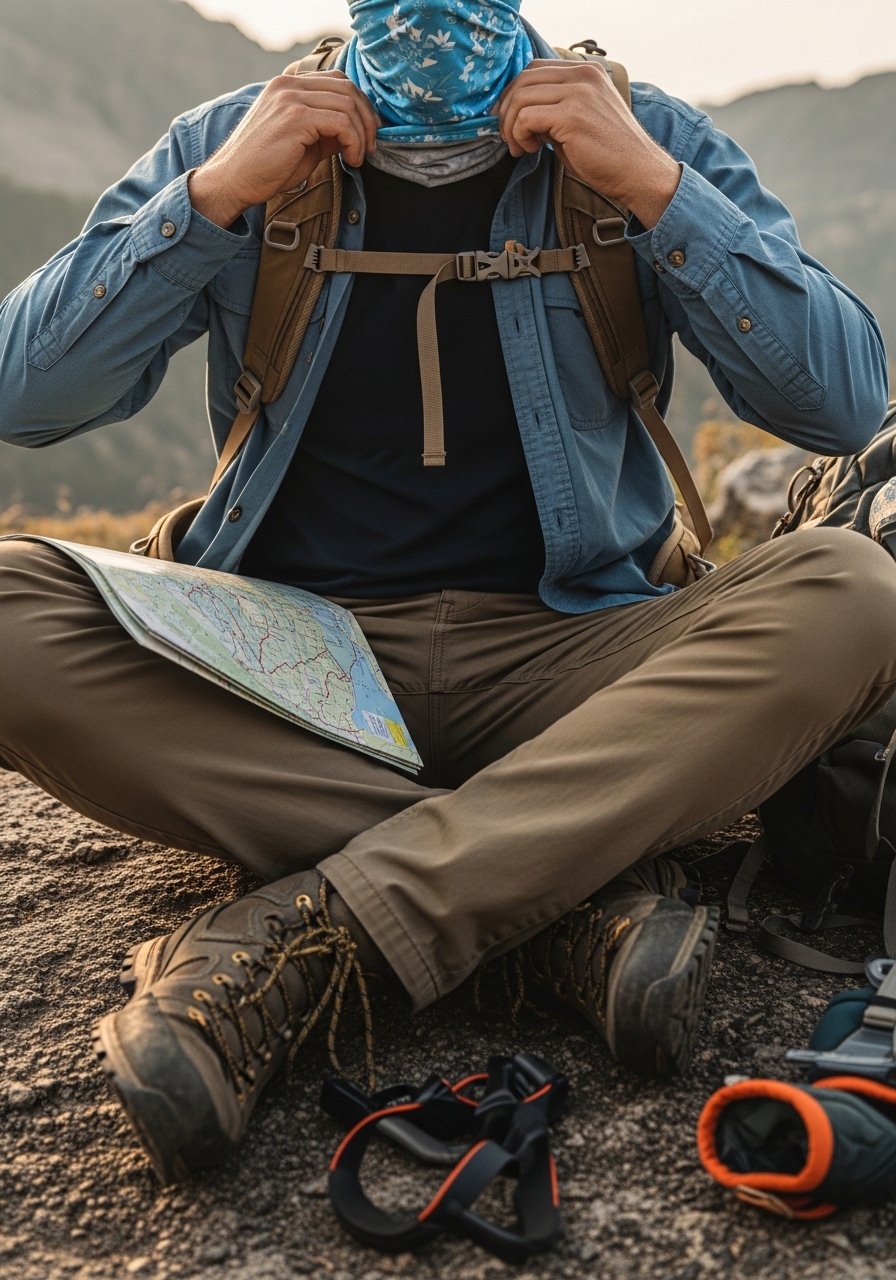
Last, loop the gaiter loose—neck sunblock or dust shield. Sling the daypack, essentials inside: water, snack, map.
It ties the look: functional, not fussy. Most skip gaiters; they save sunburned necks.
Don't overload the pack; balance shifts your gait. Lightened mine after a sore back day.
Outfit complete—hike without drag.
Urban-to-Trail Outfit Switches
City walks to trailheads happen fast. I keep it simple.
Roll sleeves, zip pants short. Gaiter pulls double as headband.
- Swap shell for a light scarf in cafes.
- Boots pass as rugged casual—no stares.
- Shirt untucked blends anywhere.
Feels seamless, no full changes needed.
Handling Sweat and Dirt Buildup
Trails get real quick. My layers wick it away.
Rinse socks nightly in a sink. Hang shirt on pack to dry while walking.
- Spot-clean pants with a bandana.
- Gaiter blocks most neck grime.
- Boots brush off easy at camp.
Stays fresh longer than you'd think.
Multi-Day Packing for Hiking Trips
One bag, three outfits max. Rotate bases.
Pack cubes keep layers sorted.
- Base shirt x2, pants x1 convertible.
- Socks x3 pairs.
- Shell always top access.
Washes weekly in a laundromat. Less to carry, more trail time.
Final Thoughts
Start with one hike, test these pieces locally. They'll click.
You'll move freer, think less about clothes. Trips settle into rhythm.
It's worth the upfront choices. Comfort compounds over miles.