I remember landing in Zurich, excited for the Alps, only to find my thin jacket useless against sudden rain. My bag felt heavy with wrong choices. Outfits that looked good at home failed on trains, hikes, and lake walks. I sweated in cities, shivered in mountains. Picking clothes became my first fix.
It starts with knowing your stops. Switzerland shifts fast—cool mornings, warm afternoons, wet trails.
This guide shares how I sort it now. Simple choices that fit every leg.
How To Pick Switzerland Travel Outfits For Every Stop
This is the method I use every time packing for Switzerland feels off. You'll end up with outfits that handle trains, hikes, cities, and lakes without bulk or stress. Calm movement from stop to stop, clothes that just work.
What You’ll Need
- Merino Wool Base Layer Top (Men's Medium, Heather Gray, Lightweight Breathable)
- Fleece Midlayer Jacket (Women's Small, Olive Green, Zip-Up Softshell)
- Packable Waterproof Rain Shell (Unisex Large, Navy, Gore-Tex Fabric)
- Quick-Dry Travel Pants (Men's 32×32, Khaki, Stretch Nylon)
- Mid-Weight Hiking Socks (Crew Length, Merino Blend, 3-Pack Black)
- Low-Profile Hiking Boots (Women's Size 8, Brown Leather Nubuck)
- Multi-Use Buff Neck Gaiter (Gray Wool Blend, Packable)
- Compression Packing Cubes Set (3-Pack, Medium for Outfits, Black Nylon)
Step 1: Map Your Itinerary Stops First
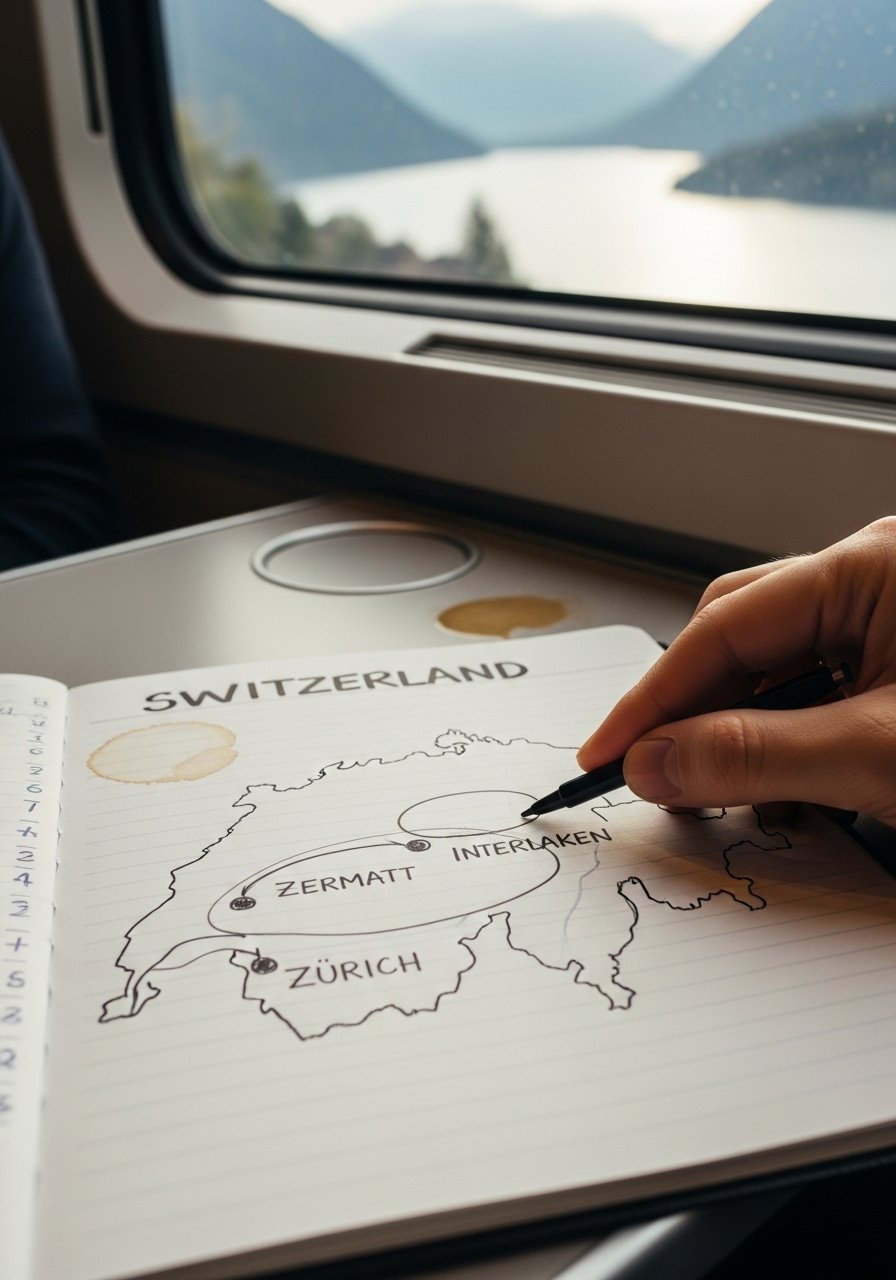
I pull out my itinerary the night before packing. List every stop: Zermatt hikes, Zurich walks, Lake Thun ferries. Note activities—train rides, uphill paths, cafe sits.
This changes everything. I see patterns: high Alps need warmth, lakes milder air. No more guessing.
People miss how stops connect by train—quick changes mean versatile layers. Avoid packing separate outfits per place; that's bulk city.
I pick 7-10 pieces that mix for all.
Step 2: Check Layered Weather Across Stops
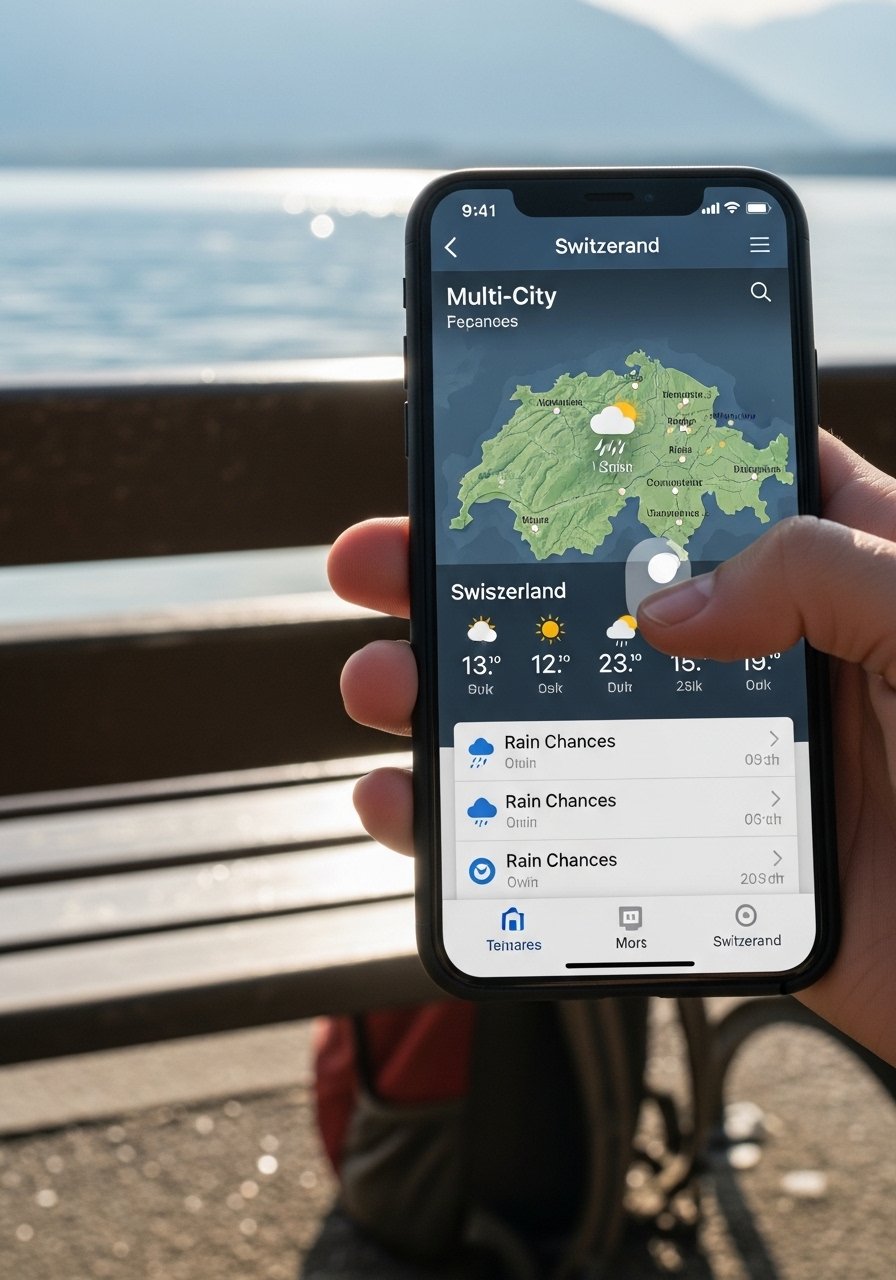
I open a weather app for the full trip, not just arrival day. Switzerland flips: sunny Zurich, rainy Jungfrau. Note lows in mountains, winds by lakes.
Now my bag shifts to layers, not single-day picks. Base stays dry, mid adds warmth fast.
Most overlook microclimates—valleys warm, peaks chill 20 degrees. Don't trust one forecast; check elevations.
I screenshot and pin to each stop.
Step 3: Build a Neutral Base That Mixes
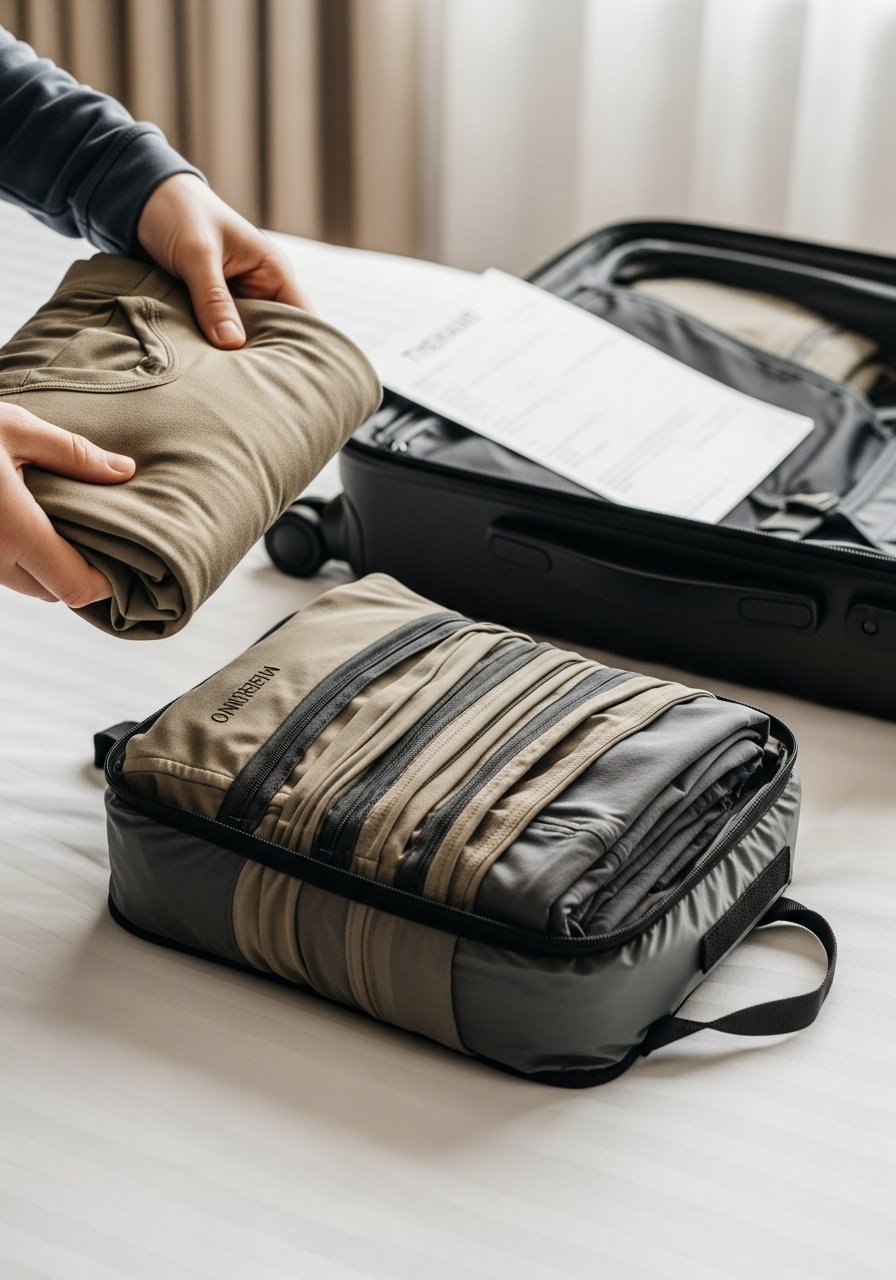
I grab 3-4 neutrals: wool tees, pants in gray, khaki, navy. They layer under everything, dry quick after rain.
Packing lightens—same base for hike or train. Feels balanced, not frumpy.
Travelers pack colors that clash; miss how neutrals flow stop-to-stop. Skip trends; choose wool over cotton—it wicks sweat on climbs.
I test one combo per stop mentally.
Step 4: Layer for Elevation and Rain Shifts
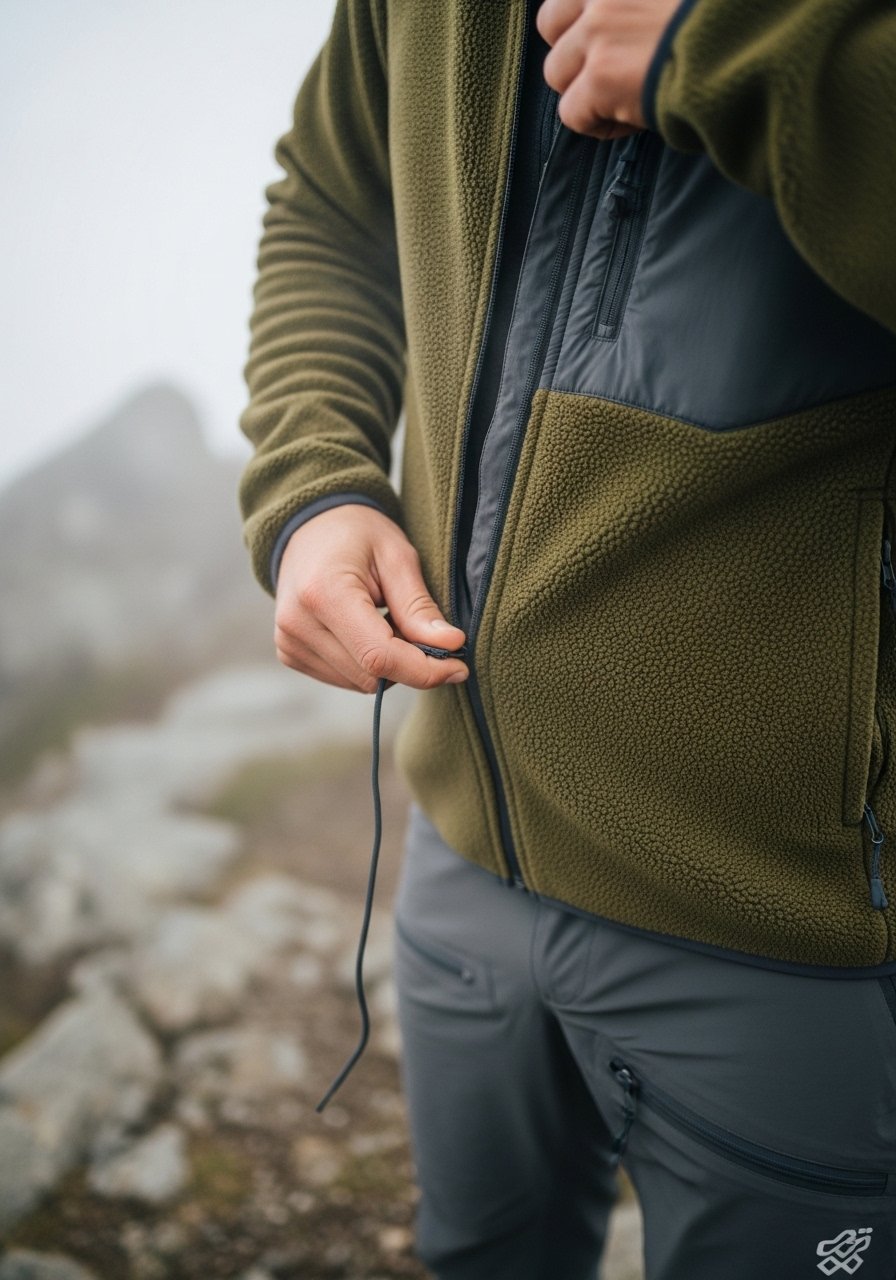
I add fleece or softshell next, then packable rain shell. Test by wearing: unzip for lakes, zip for Gornergrat.
Movement eases—warm without bulk on trains. Shell stuffs small for day bags.
Insight: shells breathe or you overheat downhill. Avoid heavy coats; they trap in cities.
I pack one shell, one mid—covers all.
Step 5: Finalize Feet and Face with Tested Pairs
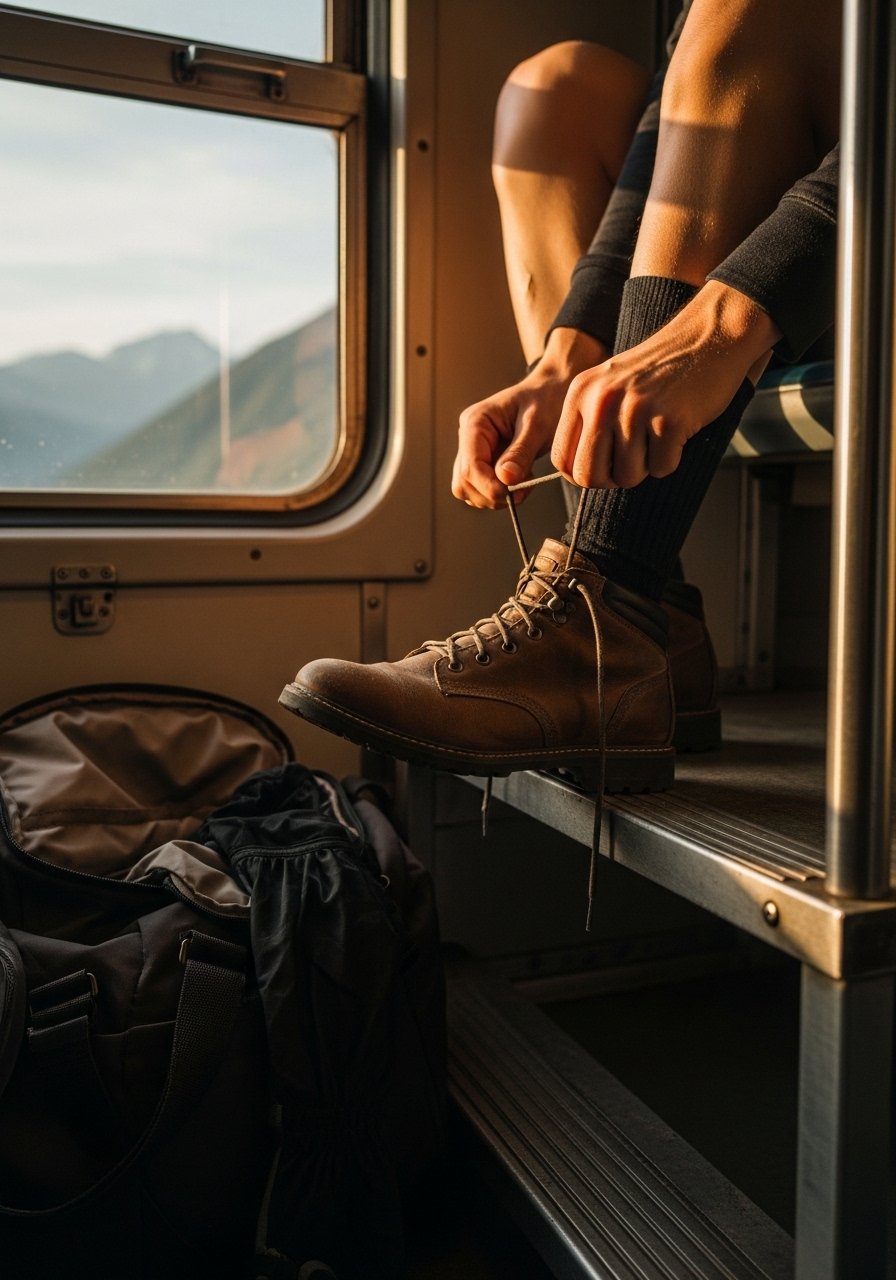
I pick one boot pair—broken in, grippy for wet paths. Add wool socks, gaiter for neck wind.
Steps feel sure now, no blisters mid-hike. Gaiter pulls double as hat.
Miss: Cute shoes slip on trails; test walk your route sim. Don't overpack shoes—one versatile wins.
Bag closes easy, room for finds.
Outfits for Alpine Stops Like Zermatt
High Alps demand layers you can shed fast. I start with wool base, fleece mid, shell over. Pants tuck into boots for snow dust.
- Base + fleece for cable car chills.
- Shell on for Gornergrat wind—views worth the zip.
- Gaiter up neck on hikes.
Trains to Zermatt stay comfy; no sweat.
City Days in Zurich or Geneva
Urban stops mix walks and trams. I drop midlayer, keep base and light pants. Shell packs flat.
Shell handy for lake drizzle. Boots swap to socks if cafes call.
Feels pulled together without effort. Neutrals blend cafe to train.
Lake Regions Like Thun or Lucerne
Milder air here—base layer solo, pants rolled. Fleece evenings by water.
Ferry breezes need gaiter. Shell for pop-up rain.
Walks stay light; layers wait in bag. Balanced for photos that last.
Final Thoughts
Start with your next trip's map. Pick three neutrals first. Test one full outfit.
You'll move easier through Switzerland's shifts. No second-guessing at stations.
Clothes serve the trip, not steal it. Worth the calm.