I remember sitting at a train station in a city I didn’t know, realizing I had no offline map, a dying phone, and zero idea which platform was mine.
It wasn’t dangerous. But it felt that way.
That gap between “everything is fine” and “I don’t feel safe” is real. And it doesn’t take a crisis to fall into it.
Most solo travel anxiety doesn’t come from actual danger. It comes from feeling unprepared in small, fixable ways.
How To Stay Safe While Traveling Alone With Smart Tips
Knowing how to stay safe while traveling alone isn’t about being fearful. It’s about making quiet decisions before you leave so you can actually relax once you’re there. This guide walks you through exactly that.
What You’ll Need
- Anti-theft crossbody bag with hidden zipper pockets
- Portable door lock for hotel room security
- Personal safety alarm keychain with LED light
- RFID-blocking slim passport holder
- Offline GPS-capable handheld navigation device
- 20,000mAh portable power bank for extended travel days
- Compact travel first aid kit with blister and bandage supplies
- Hidden waist money belt with flat zipper design
Step-by-Step Guide
Step 1: Research Your Destination Like You’re Already There
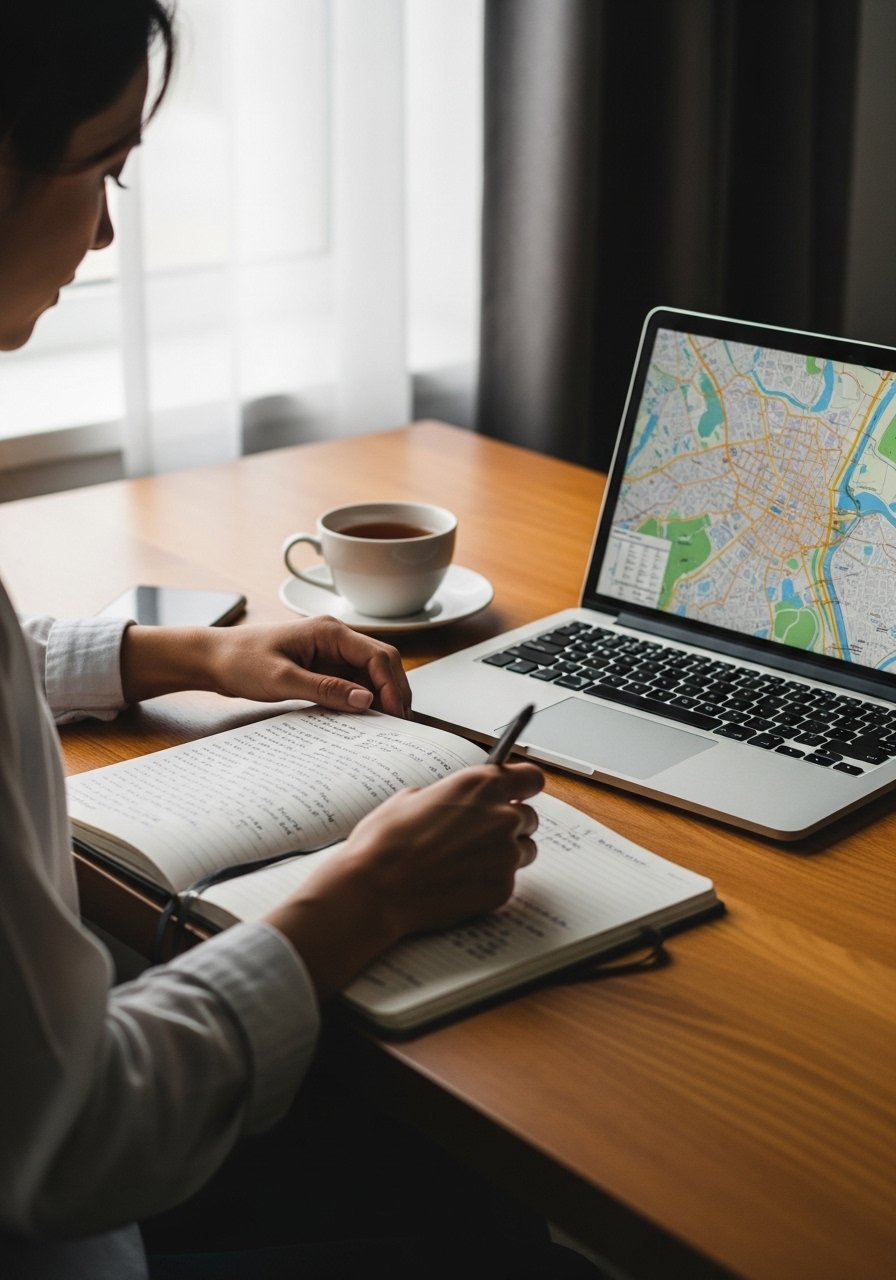
I don’t just Google “is this city safe.” That gives you almost nothing useful. What I actually do is look at solo travel forums, recent traveler reviews, and local Facebook groups for the specific neighborhoods I’ll be in.
I look for things like: which areas feel uncomfortable at night, whether public transport is reliable after dark, and what local scams tend to target tourists. That last one matters more than people expect. Knowing what to watch for takes away a lot of the anxiety.
The mistake most people make is researching safety at the country level instead of the neighborhood level. Safety can change completely from one street to the next.
Write down two or three specific things to be aware of. That’s enough. You don’t need to memorize a safety manual.
Step 2: Build a Simple Communication Plan Before You Leave
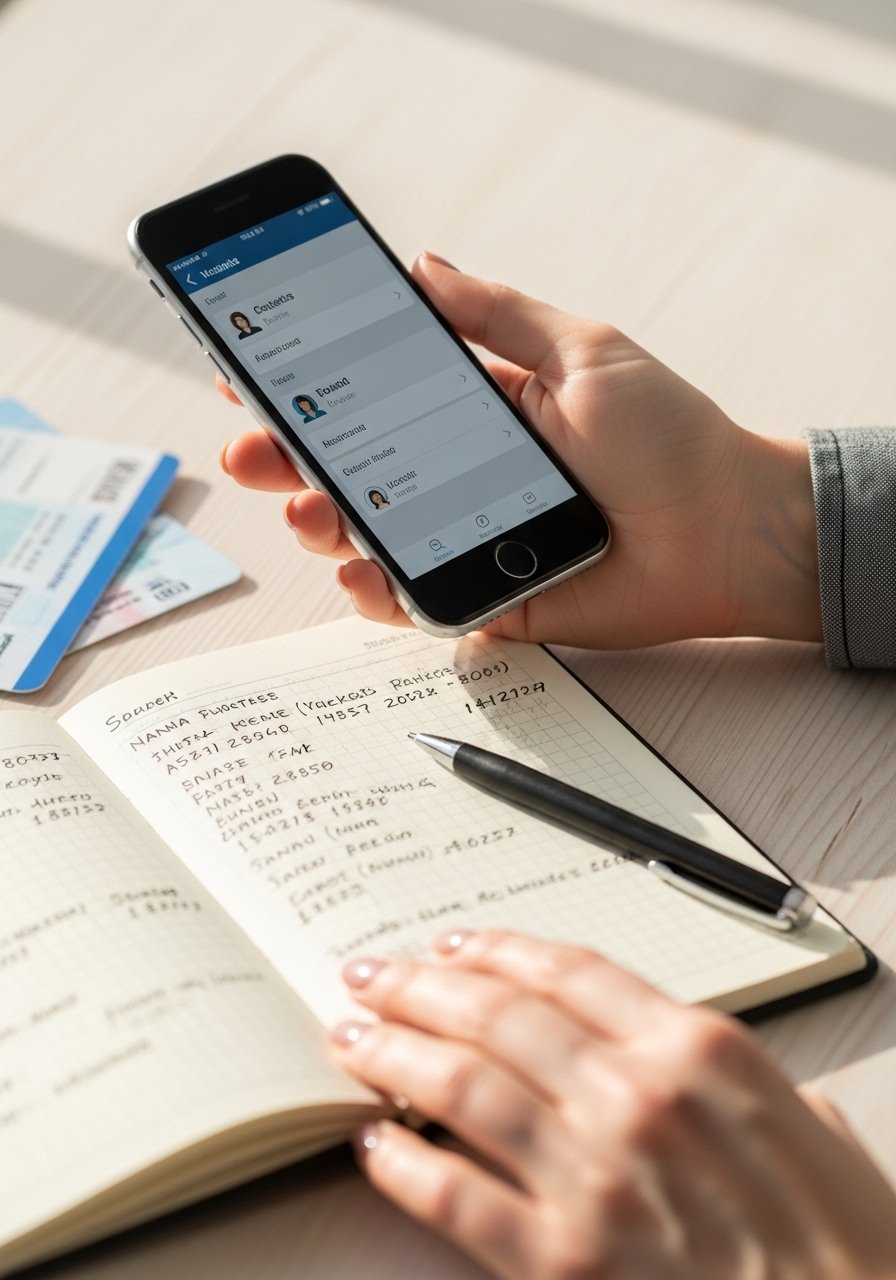
I always tell at least one person my full plan. Not a vague “I’m going to Portugal.” I mean: hotel name, address, flight details, and a rough day-by-day outline.
I also set a check-in schedule. Something simple like texting when I arrive, when I check into accommodation, and before I go to sleep. It doesn’t need to be constant. Just consistent enough that someone notices if I go quiet.
The thing most solo travelers skip is saving local emergency numbers offline. Police, ambulance, and your country’s embassy contact. You won’t need them, most likely. But having them takes thirty seconds and removes a layer of panic if anything does go sideways.
Don’t rely on internet connection alone. Keep one physical backup of the most important numbers.
Step 3: Choose Accommodation That Actually Feels Safe
I’ve stayed in places that looked great in photos and felt wrong the moment I walked in. Trust that feeling. It’s usually picking up on something real.
When I book solo, I look for: a 24-hour front desk, rooms that aren’t on the ground floor, and reviews from other solo female travelers specifically. Those reviews tend to be honest in ways general reviews aren’t.
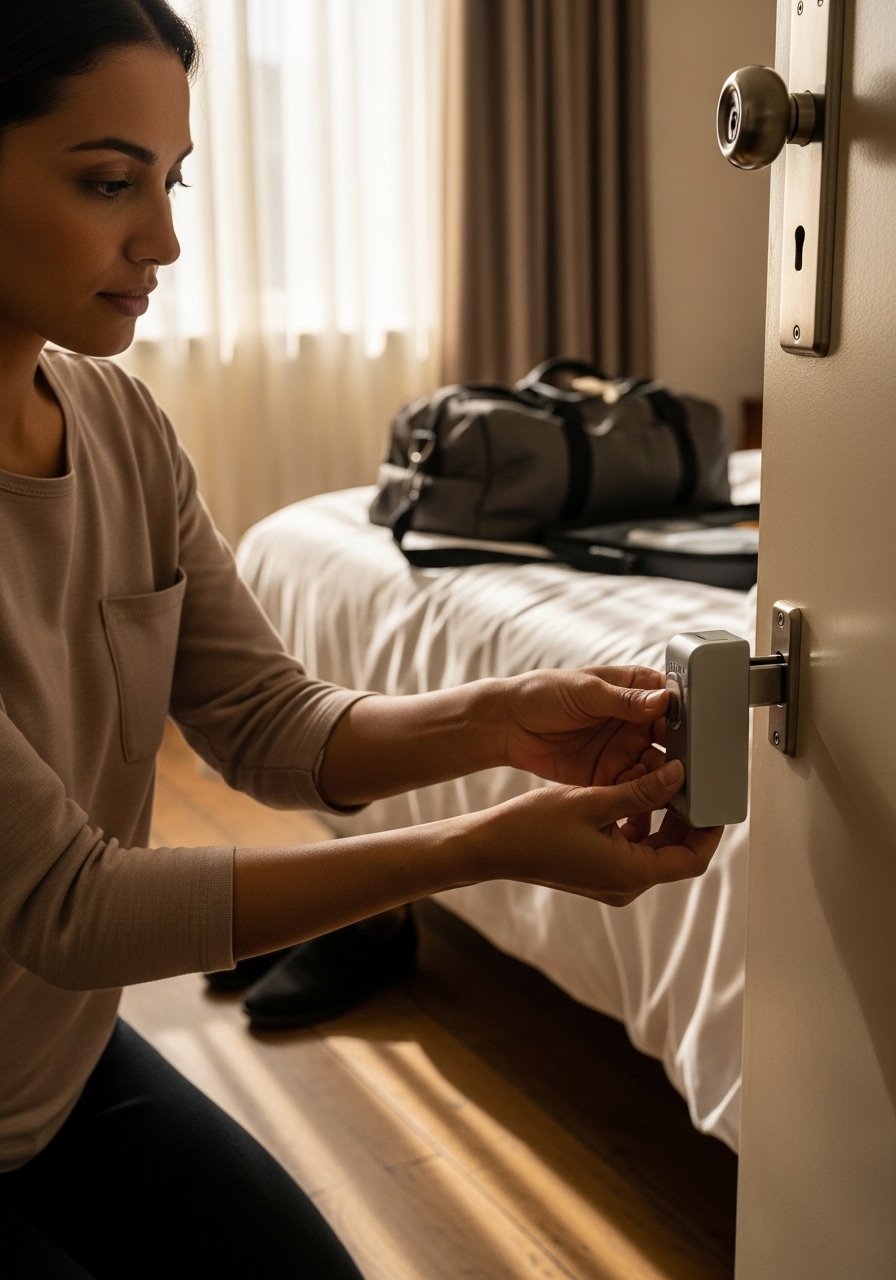
Once I’m in the room, I use a portable door lock. It slides under the door handle and physically prevents the door from opening even if someone has a key. It sounds extreme until you’re alone in a room and unsure about the lock quality.
Check that windows latch properly too. It takes two minutes and helps you sleep without one ear open all night.
Step 4: Carry Your Valuables the Right Way
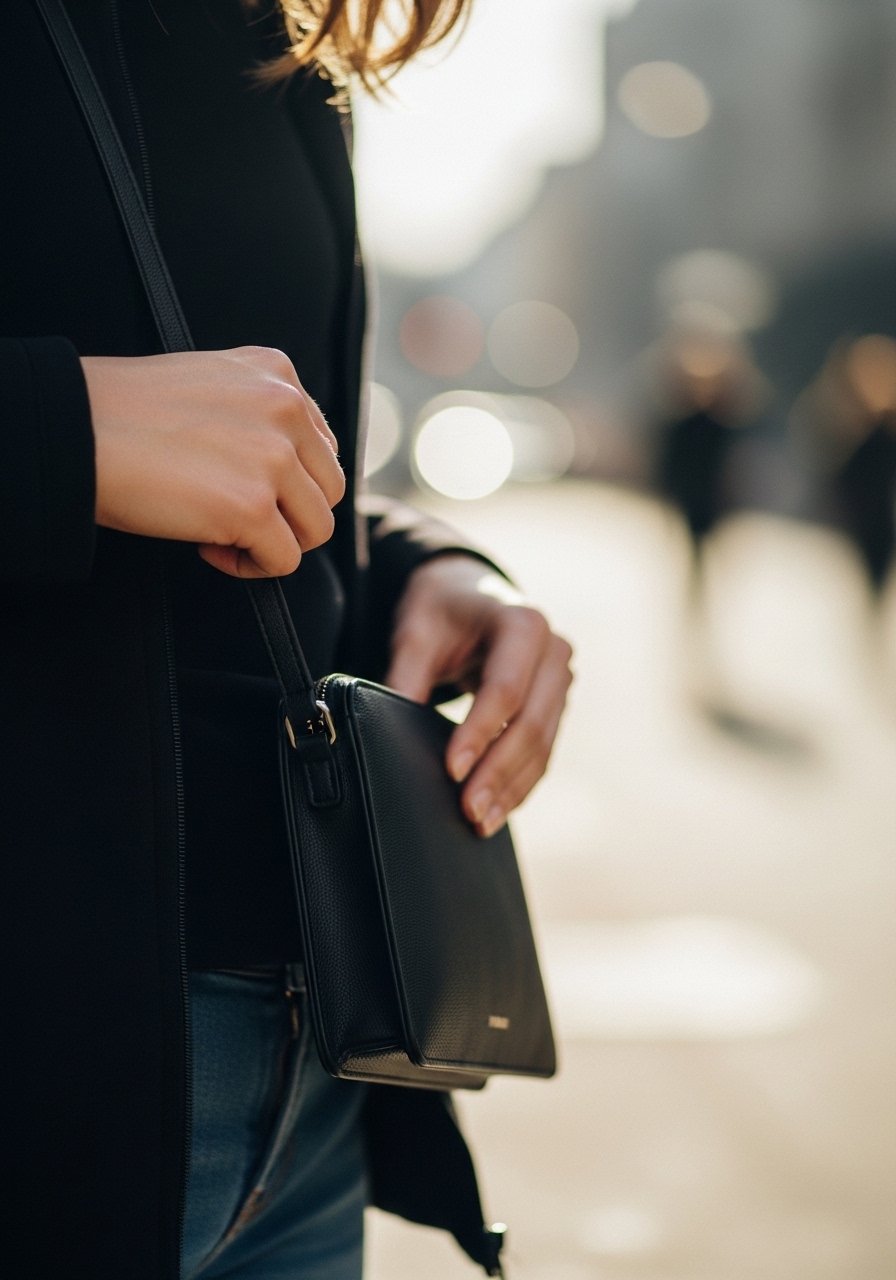
I split my cash and cards across two places every single day. Some goes in my crossbody bag. The rest goes in my hidden money belt under my clothes. I never carry everything together.
This isn’t about being paranoid. It’s about making sure a bad moment doesn’t become a catastrophic one. If my bag gets grabbed, I still have my backup card and enough cash to get somewhere safe.
Keep your passport copy in a separate place from the original. I keep a digital photo of mine in my phone’s offline photo album. A real printed copy stays in my luggage back at the hotel.
The mistake I see often is carrying a big, obvious backpack in crowded areas. It makes you a target and makes it harder to keep track of what’s around you. Small, close-to-body bags are almost always the better call.
Step 5: Move Through New Places With Calm Awareness
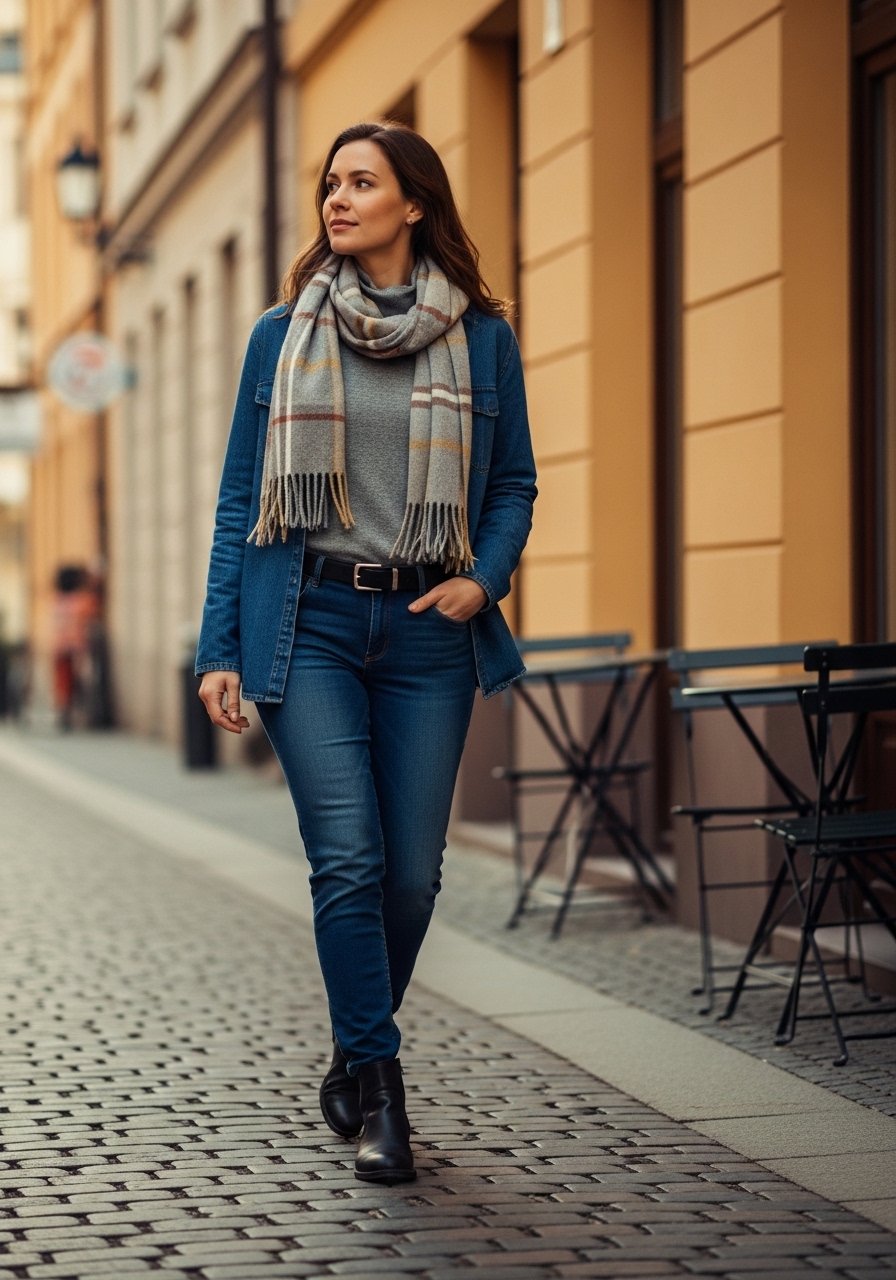
There’s a difference between looking lost and being lost. I try hard not to look lost. That means I review my route before I leave accommodation, not while standing on a street corner staring at my phone.
I keep my head up. I walk with a clear sense of direction even if I’m not 100% sure. I pick a landmark and move toward it while I mentally reorient.
If I’m not sure whether a street or area feels right, I trust that instinct and find a different route. This isn’t overthinking. It’s just paying attention.
The one thing that helps most is arriving at new places in daylight when possible. You get to see the layout, the neighborhood, and the vibe before you’re navigating it in the dark.
Step 6: Have a Plan for When Things Go Off-Script
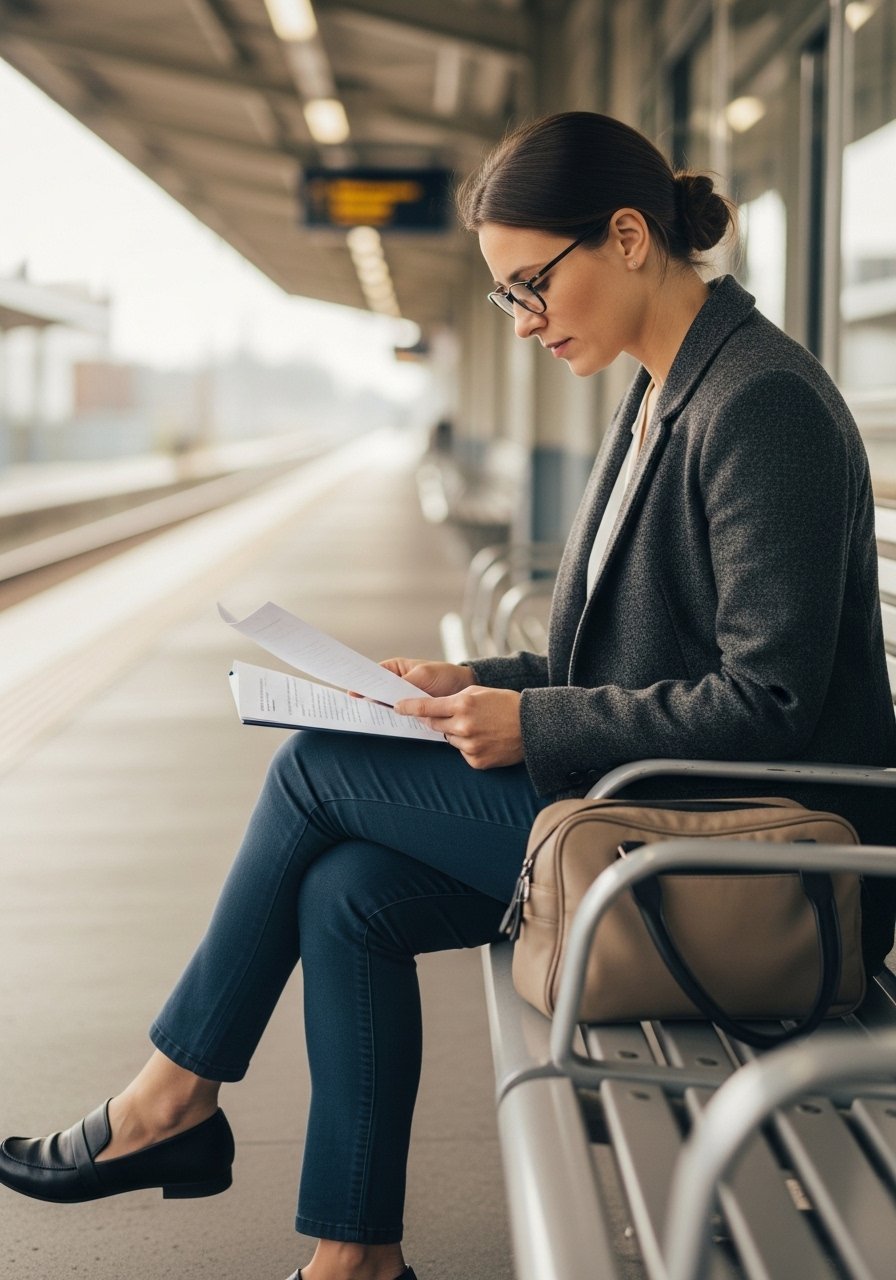
Things go wrong in solo travel. Flights get cancelled. Hotels lose bookings. Bags get delayed. The question isn’t whether something will happen. It’s whether you’ve thought through it beforehand.
I keep a note on my phone with three things: the address of my accommodation, the address of the nearest embassy or consulate, and one trusted local contact (usually my hotel front desk number). That’s my minimum safety net.
I also always know where the nearest busy, well-lit public space is from wherever I’m staying. A café, a train station, a hospital. A place I can get to on foot if I need people around me quickly.
The mistake is thinking a plan only matters if you’re going somewhere remote. Even a familiar city can throw something unexpected at you. A quiet two-minute plan covers most of it.
What Safe Solo Travel Actually Looks and Feels Like
Safe solo travel doesn’t look like someone constantly looking over their shoulder. It looks like someone who moves calmly through a new place because they’ve made the right small decisions before they got there.
It feels like being tired in a good way at the end of the day, not drained and anxious. The preparation part happens quietly, before you leave. The confidence shows up once you arrive.
Most people who travel solo regularly will tell you that the nervousness fades fast. The first day in a new city is always the most uncertain. By the second day, you’ve already figured out the rhythm.
- You know which exit to use at the train station
- You know which café feels comfortable for working alone
- You know how the bus payment system works
That knowledge builds quickly. And it makes you feel much more capable than you expected.
How to Stay Safe While Traveling Alone on a Budget
Safety doesn’t require expensive hotels or private taxis everywhere. Some of the most practical safety choices cost nothing at all.
Booking a mid-range hostel with good reviews from solo women travelers can be safer than a cheap private hotel with no front desk. Reading five recent reviews carefully is free. Downloading an offline map before your flight costs nothing.
There are a few places worth spending a little more:
- A quality crossbody bag that closes properly
- A portable door lock for places with questionable security
- A power bank so your phone never hits zero at a bad moment
These aren’t luxury items. They’re practical tools that quietly reduce the number of moments in a trip where you feel exposed or stuck. Once you have them, you bring them on every trip.
Small Habits That Make a Real Difference
A lot of solo travel safety comes from small, repeatable habits rather than big dramatic decisions.
The habit I rely on most is the nightly check-in with myself before I sleep. I spend two minutes thinking about the next day: where I’m going, how I’m getting there, what I’ll need with me. That short pause means I almost never wake up scrambling.
Other habits that genuinely help:
- Save your accommodation address in your phone as a contact, not just a note
- Keep a small amount of local cash separate from your main wallet
- Screenshot your transport tickets so you can access them offline
- Tell a restaurant or café owner where you’re headed if you’re walking somewhere unfamiliar after dark
None of these feel like safety strategies in the moment. They just feel like being organized. But together, they create a version of travel where you spend more time enjoying and less time managing.
Final Thoughts
You don’t need to get everything right before your first solo trip. You need to get enough right that you feel calm enough to enjoy it.
Start with one or two things from this guide. The communication plan. The bag setup. The accommodation check. Build from there.
Solo travel gets easier every time. Not because the world gets safer, but because you get quieter about it. You know what to watch for and you don’t spend energy worrying about the rest.
The trip is worth taking. Start small, stay present, and trust that you’ve prepared enough.