The first time I tried to plan a solo trip, I had seventeen tabs open and still felt like I hadn’t figured anything out.
I kept second-guessing my destination. Then my budget. Then whether I should even go alone.
By the time I finally booked something, I was already exhausted — and I hadn’t left yet.
How To Plan A Solo Trip For The First Time Without Stress
This article walks you through the actual process of planning your first solo trip in a way that feels manageable. Not overwhelming, not rushed. Just clear decisions, made one at a time, that lead to a trip you’ll actually enjoy.
What You’ll Need
- Lightweight 21-inch carry-on spinner luggage
- 6-piece travel packing cube organizer set
- Slim RFID-blocking travel wallet
- 20000mAh USB-C portable power bank
- Hardcover dotted travel journal notebook
- Wireless noise-cancelling earbuds for travel
- Compact all-in-one universal travel adapter
- Lightweight packable 20L daypack backpack
Step 1: Choose a Destination That Matches Your Comfort Level Right Now
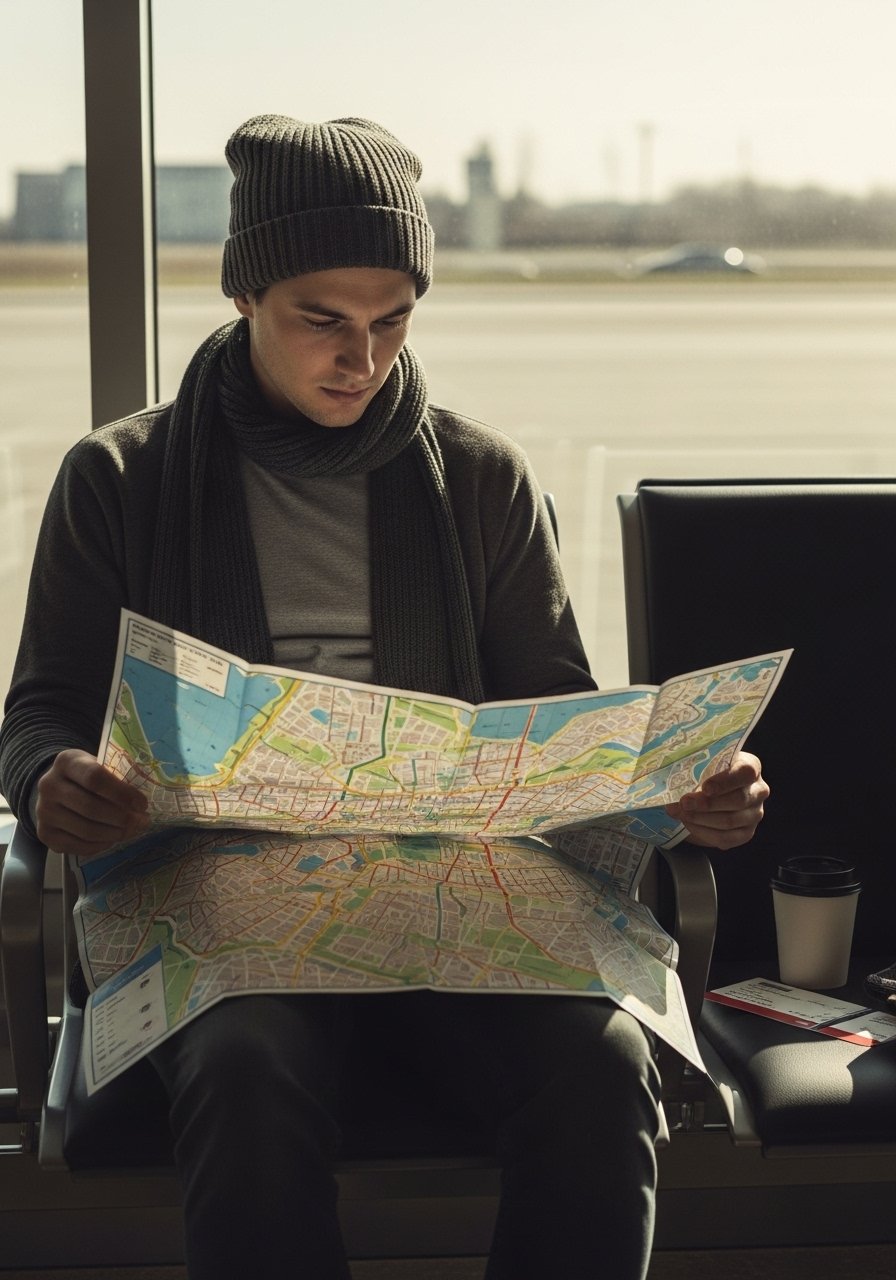
The most common mistake first-time solo travelers make is choosing a destination that sounds impressive rather than one that feels right for where they are right now. You don’t need to start with a 14-hour flight or a country where you don’t speak the language.
Think about what makes you feel safe and curious at the same time. A city with good public transport, English widely spoken, and a walkable center makes the whole experience easier to enjoy.
Start with somewhere that gives you freedom without constant problem-solving. That one shift — choosing ease over ambition — changes how the whole trip feels from day one.
Don’t let anyone pressure you into a destination that isn’t right for your first time out alone.
Step 2: Set a Simple Budget Before You Book Anything
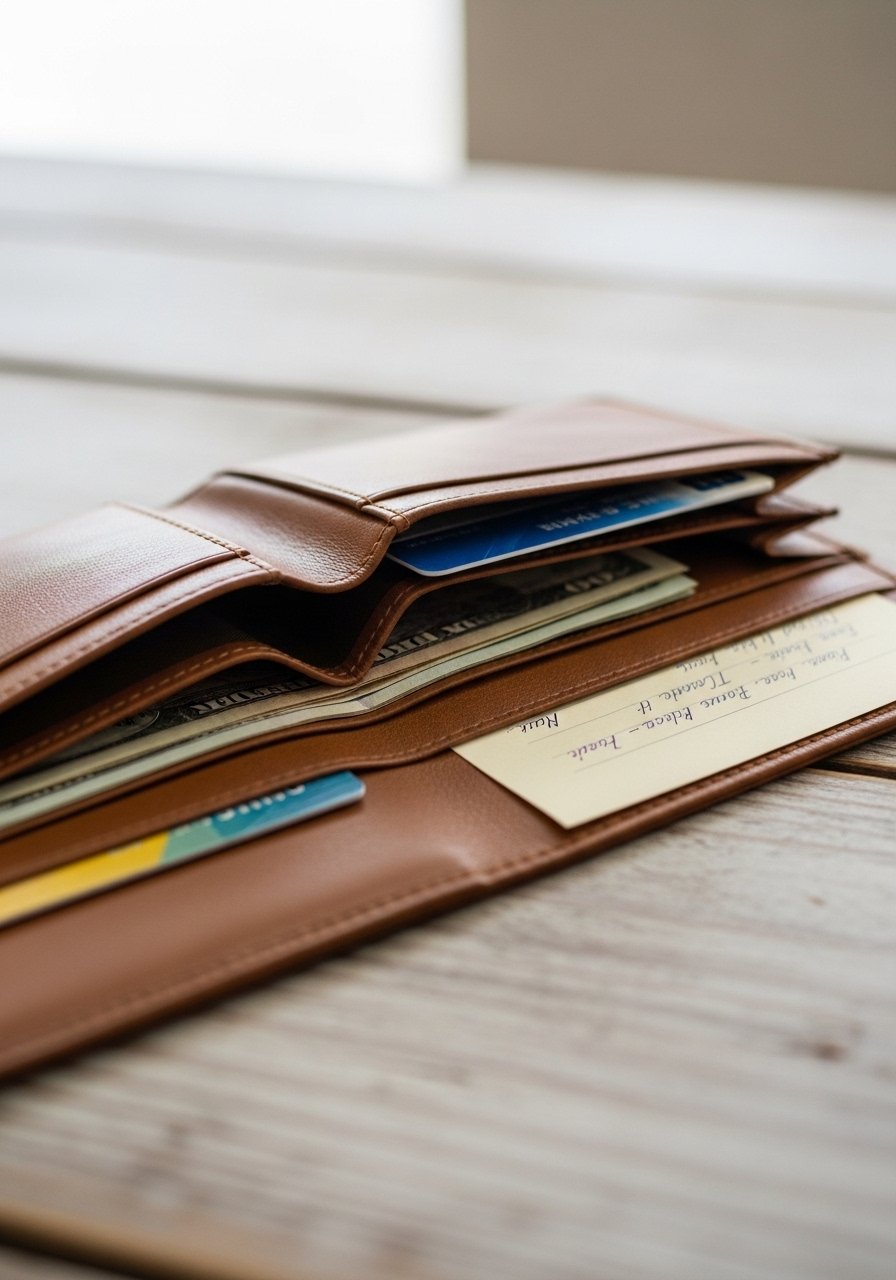
Budget conversations feel boring until you’re sitting in a foreign city realizing your card got declined and your phone is at 4%. I’ve been there. It’s not fun.
Before you open a single booking site, write down three numbers: what you can spend total, what you want to spend on accommodation, and what you’ll need for daily expenses. Keep it on paper or in your travel journal — somewhere you’ll actually look at it.
The mistake most people make is budgeting flights and hotels, then forgetting food, transport, entrance fees, and the random things you’ll want to buy. Add a 15–20% buffer. You will use it.
Having your budget clear before you book anything means every decision afterward is faster and less stressful.
Step 3: Build a Loose Framework, Not a Tight Schedule
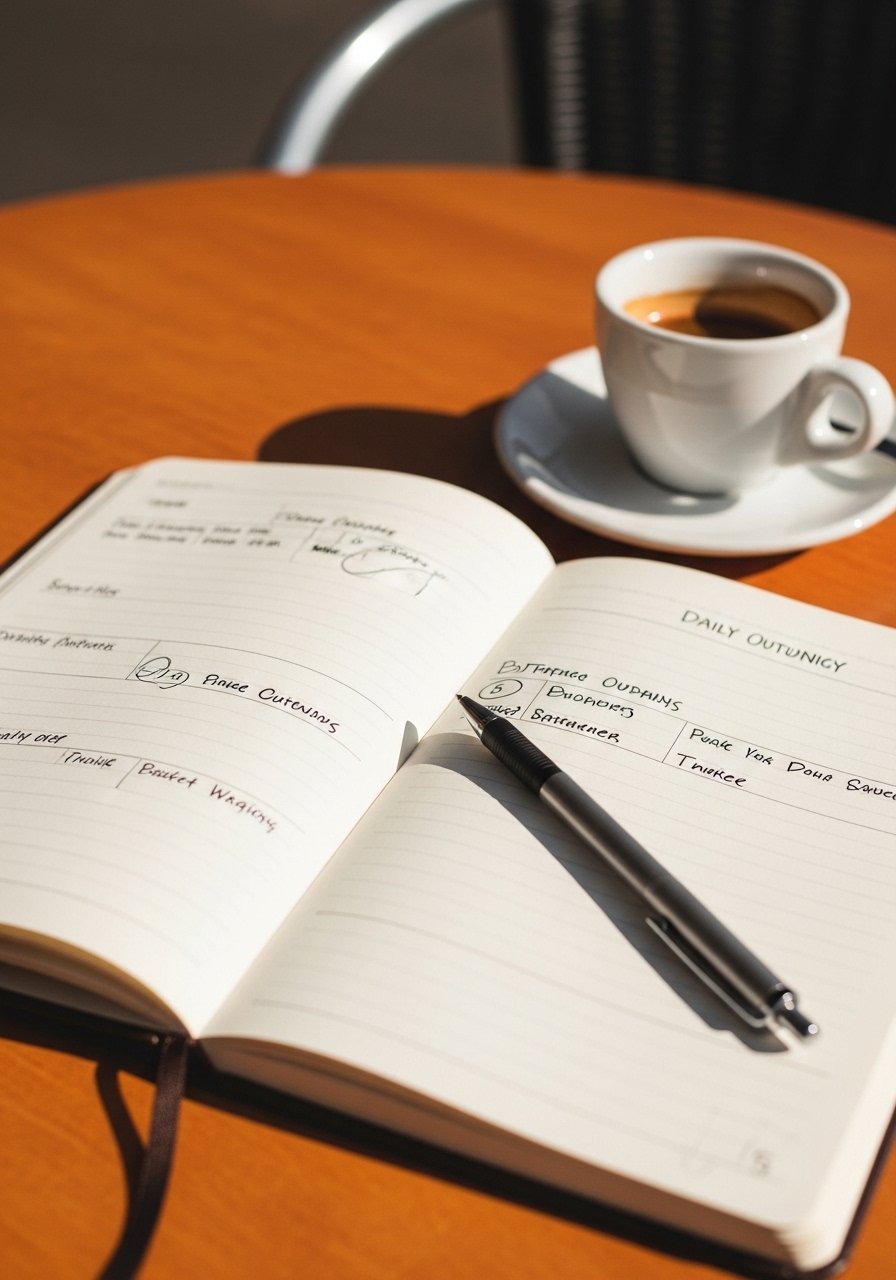
A tight hour-by-hour itinerary sounds organized. In practice, it makes everything feel like work. You miss things because you’re rushing to the next item. You get stressed when a bus is late or a place is closed. You stop actually noticing where you are.
Instead, plan one or two things per day that you actually care about. Leave the rest open. Some of the best moments from solo travel happen when you have no plans at 3pm and just start walking.
What you want is a framework: arrival day logistics, a few anchor experiences, and rest built in. That’s it.
The insight most people miss is that unscheduled time isn’t wasted time. It’s where solo travel actually becomes enjoyable.
Step 4: Book Accommodation That Feels Safe and Social Enough for You
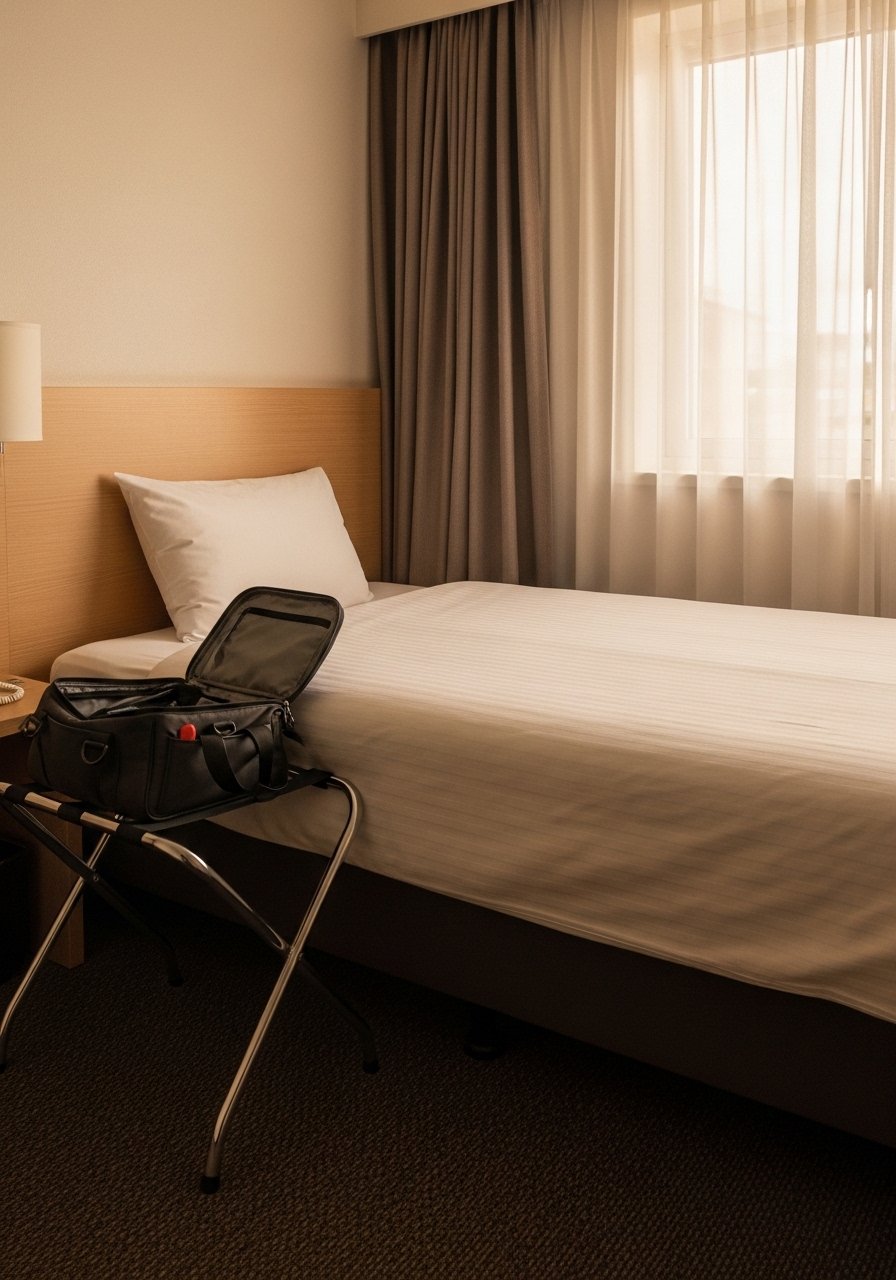
Where you sleep shapes how the whole trip feels. If you’re in a noisy hostel when you wanted quiet, or an isolated hotel when you wanted company, you’ll feel it every day.
Think honestly about what you need. Do you want the option to meet people? A hostel common room works well. Do you need privacy to recharge? A small guesthouse or budget hotel is worth the extra cost.
Read recent reviews specifically about solo travelers and the neighborhood at night. Location matters more than price. Being close to transport and a few decent restaurants takes a lot of daily friction away.
Don’t book the cheapest option by default. Book the one that makes you feel like the trip is yours.
Step 5: Sort Your Practical Basics Before You Leave
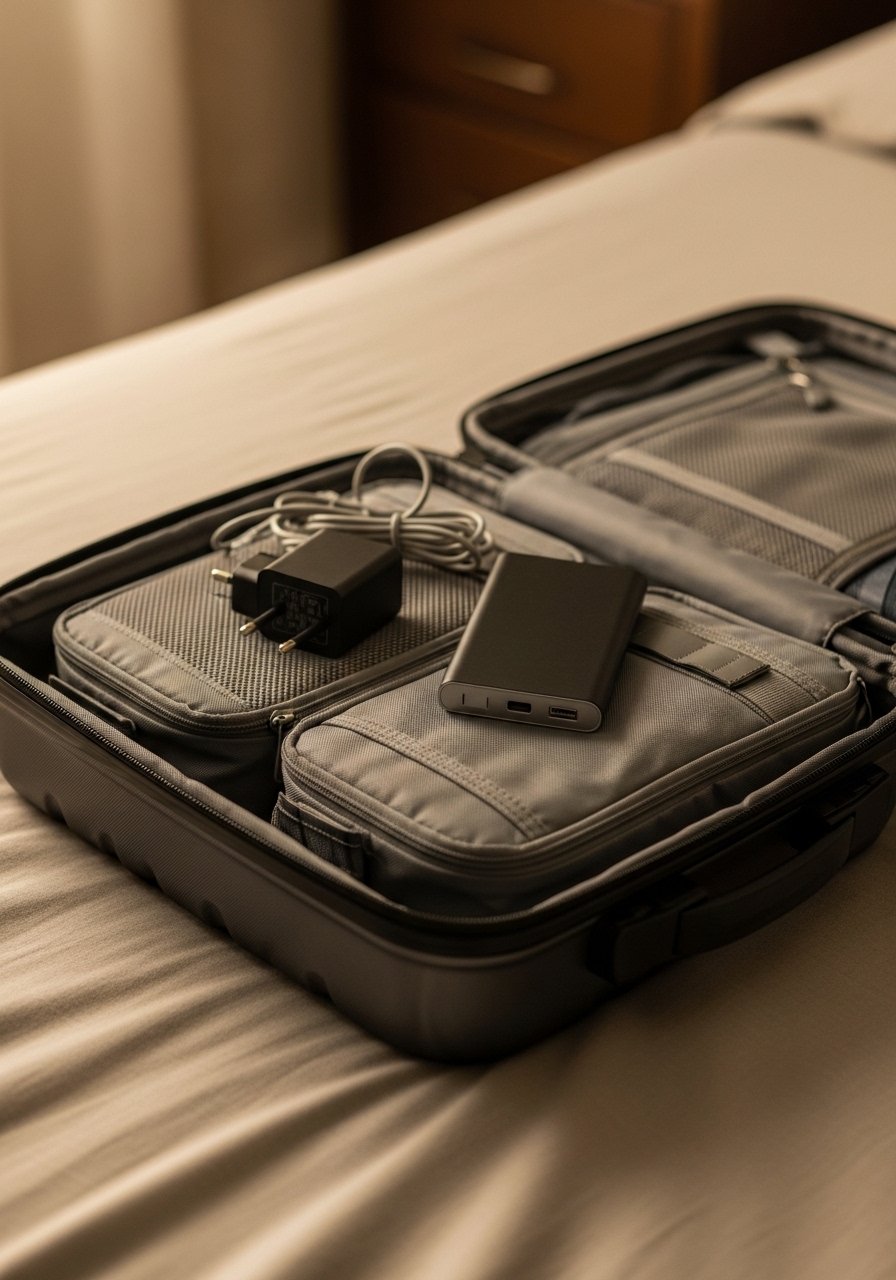
Practical things that feel boring at home become really important when you’re alone in an unfamiliar place. Your phone dying with no backup. Your adapter not fitting the outlet. Not having your insurance documents somewhere accessible. These are small things that create big stress.
Make a short checklist a week before you leave: travel insurance confirmed, bank notified you’re traveling, emergency contacts saved offline, phone plan that works abroad, key documents backed up digitally.
Pack your carry-on lighter than you think you need. You’ll move more on a solo trip than you expect — up stairs, through markets, on and off buses. Heavy bags make everything harder.
The detail people most often miss is telling at least one person your rough itinerary. Not for permission. Just for peace of mind — yours and theirs.
Step 6: Give Yourself Permission to Move at Your Own Pace
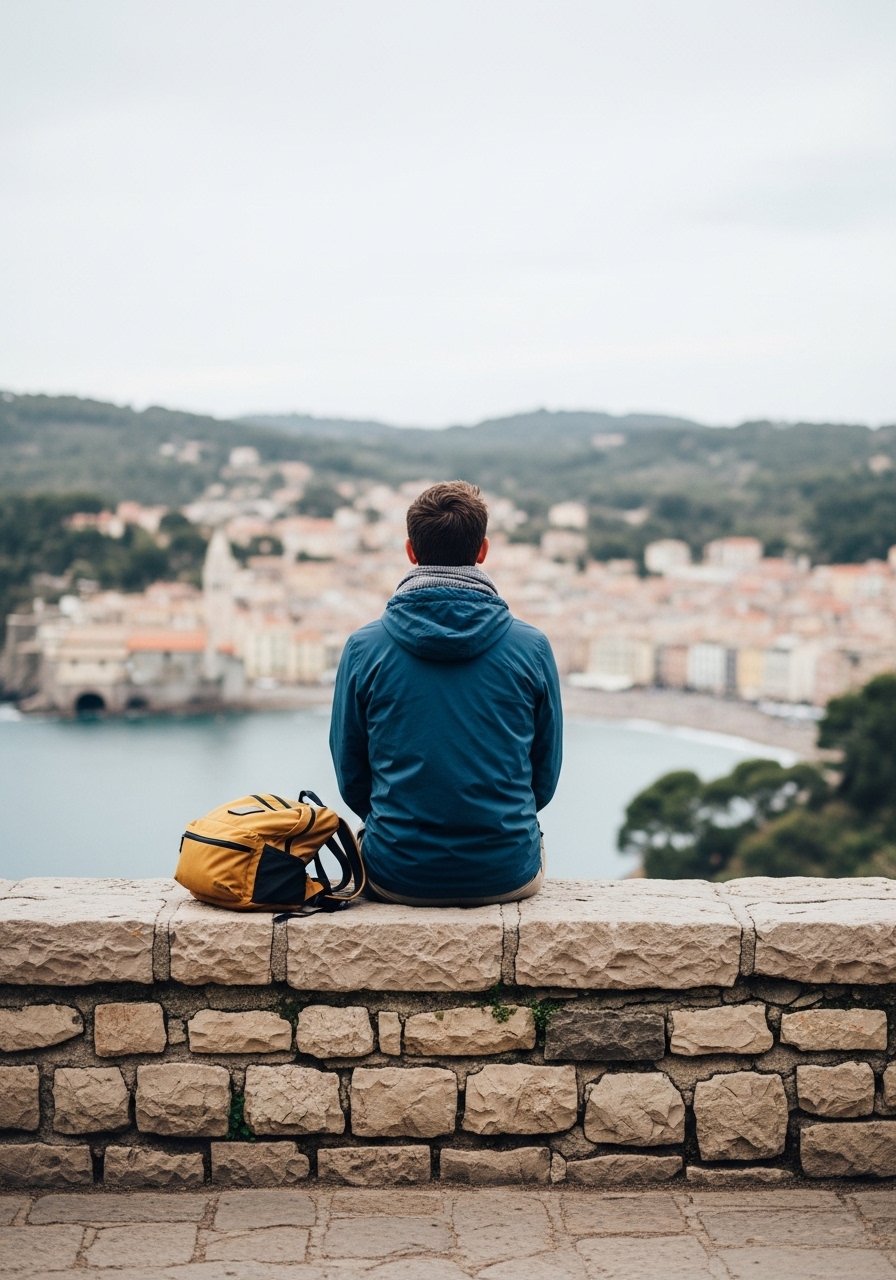
This is the step that changes everything about solo travel, and it’s the one most people overlook completely. You don’t have to see everything. You don’t have to keep moving. You don’t have to explain your choices to anyone.
If you want to spend three hours at one café, do it. If the famous landmark doesn’t interest you, skip it. If you’re tired and want a quiet night in, that’s a legitimate decision.
Solo travel works best when you stop comparing your pace to what other travelers post online. Their trip is not your trip.
The moment I stopped trying to squeeze in every recommended thing was the moment I actually started enjoying being somewhere alone. It felt less like a test and more like a trip.
How To Handle Moments That Don’t Go as Planned
Things will go sideways. A booking will be wrong. A train will be delayed. You’ll end up somewhere you didn’t intend. On your first solo trip, that can feel much bigger than it actually is — because there’s no one next to you to help absorb the stress.
The practical answer is to build in buffer time wherever you can. Don’t book the last train of the night to reach your accommodation. Don’t schedule back-to-back things on arrival day. Give yourself room to sort small problems without them affecting the rest of the day.
The mental shift that helps most is reminding yourself that solving a small travel problem on your own is actually one of the more satisfying things about solo travel. You figure it out. You move on. And afterward it’s just a story.
- Keep a screenshot of your accommodation address saved offline
- Have a backup payment method that isn’t the same card as your main one
- Know the rough cost of a taxi from the center just in case
- Don’t panic-book replacements immediately — give yourself 20 minutes to think first
What Makes Solo Travel Feel Comfortable, Not Lonely
Loneliness on a solo trip usually happens in one of two situations: long transit days with nothing to do, or evenings in a place where you haven’t connected with anyone yet. Both are very manageable once you know they’re coming.
For transit, have something you genuinely want to do — a podcast, a book, a playlist that fits the mood of where you’re going. Your earbuds and a charged power bank matter more than you think on a five-hour train.
For evenings, the key is having a base that gives you options. A hostel common room, a neighborhood bar where locals actually go, a night market. You don’t have to talk to anyone. But being around people who are also just enjoying themselves makes a real difference.
- Eat at the bar or counter when dining alone — it feels more natural and often leads to conversation
- Say yes to one organized activity or free walking tour early in the trip
- Write in your journal at the end of the day — it helps process the experience and fills evenings well
Building Confidence for the Next Trip While You’re Still on This One
One of the quieter benefits of figuring out how to plan a solo trip for the first time is what it does to your confidence for the next one. You start noticing what worked and what you’d do differently — and that awareness is genuinely useful.
Keep a few notes as you go. Not a full diary if that’s not your thing. Just brief observations. What made a particular day feel good. What you’d skip. What surprised you. That information is worth more than any travel guide for your next destination.
By the end of the trip, you’ll have a real sense of your own travel style: how much structure you need, what kind of accommodation suits you, how long you like to stay in one place. Most people don’t know any of that before they go.
- Note one thing each day that felt right
- Notice what drained your energy and what restored it
- Let your packing list evolve — add what you needed, remove what you didn’t use
Final Thoughts
Your first solo trip doesn’t have to be long or far or impressive. It just has to be yours.
Start small. Pick somewhere that feels manageable. Give yourself room to figure things out as you go.
The goal isn’t a perfect trip. It’s a trip that teaches you something about how you travel — and leaves you wanting to do it again.
That’s more than enough for a first time.