The first time I traveled alone, I booked the wrong train and ended up in a different city. I panicked for about twenty minutes. Then I found a café, ordered something I couldn’t pronounce, and had one of the best afternoons of my entire trip.
Solo travel doesn’t have to be extreme or complicated.
It just takes the right destination — somewhere walkable, friendly, and easy to figure out without a group.
Here’s what I’ve learned after doing this for years.
24 Stunning Solo Travel Destinations For Beginners That Feel Safe And Easy
If you’ve been thinking about your first solo trip but keep putting it off because it feels too big, too risky, or too complicated — this list is for you. These 24 solo travel destinations for beginners are the kind of places that actually make it easier to go alone, not harder. Walkable cities, friendly locals, clear public transport, and that feeling that you’ve got this.
1. Lisbon, Portugal — The Hilly City That Welcomes You Slowly
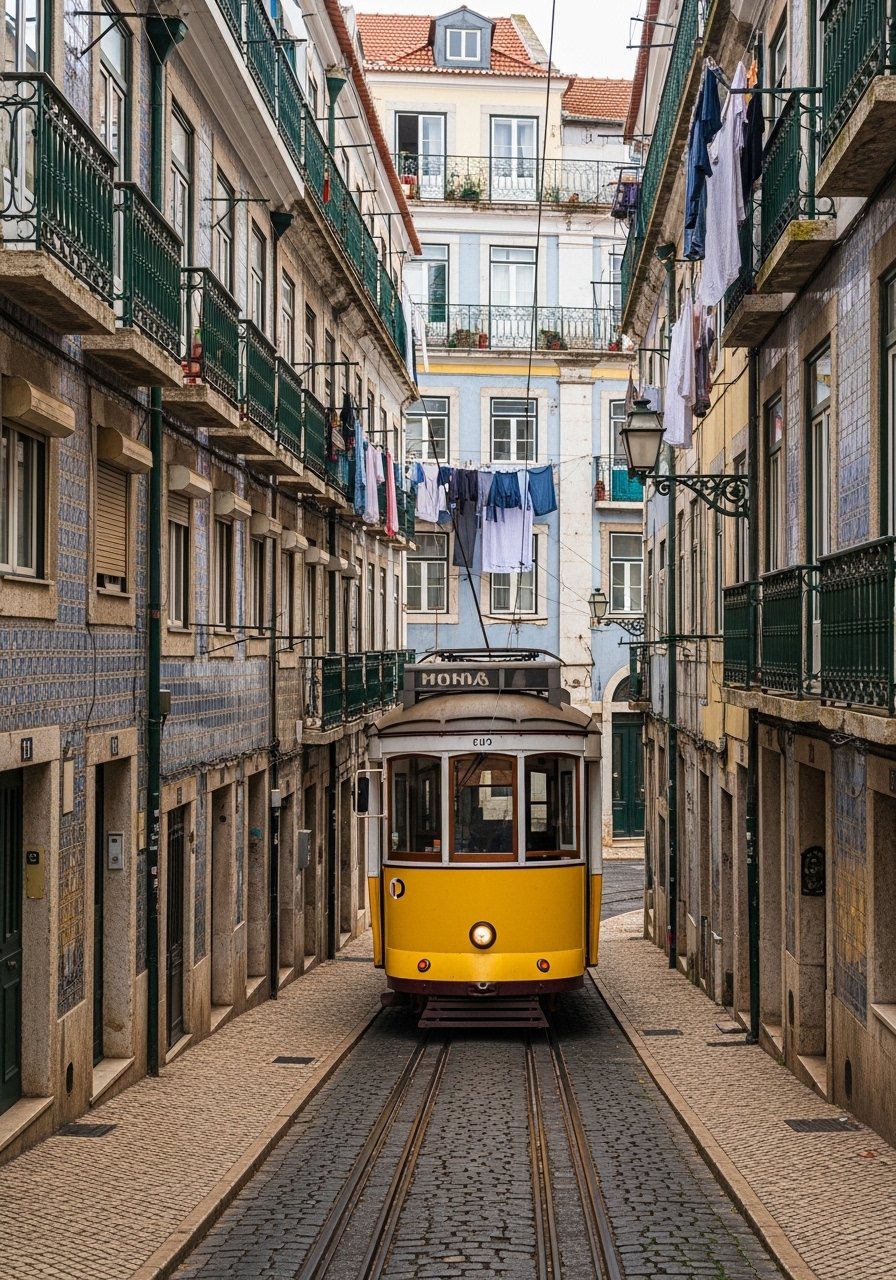
I almost skipped Lisbon because I thought it would be too touristy. I was wrong. The city is hilly and charming, and the pace is slow enough that you never feel rushed or overwhelmed. The trams are iconic, a little confusing at first, but easy once you ride one twice.
I stayed in Alfama and walked almost everywhere. Most locals speak English without hesitation, and the food scene is budget-friendly in a way that surprised me. Pastéis de nata from a corner bakery cost almost nothing and tasted like everything.
The one thing I’d tell a first-timer: wear proper walking shoes. The cobblestones are beautiful and completely unforgiving on flat-soled sneakers.
What You’ll Need for This Trip
- Cushioned walking shoes for cobblestone streets, women’s or men’s
- Compact crossbody anti-theft travel bag
- Reusable water bottle, slim and insulated
2. Chiang Mai, Thailand — Slow, Affordable, and Surprisingly Easy to Navigate
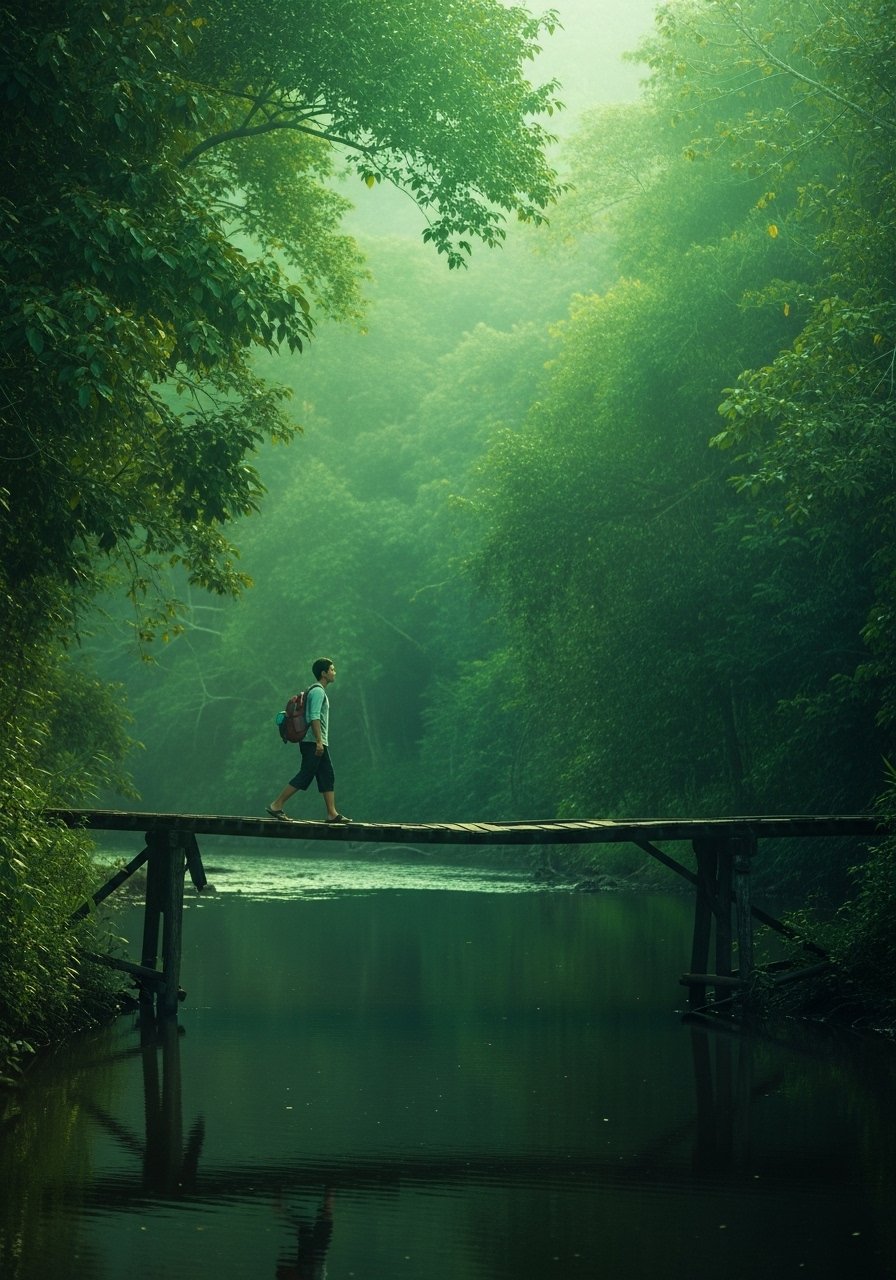
Chiang Mai was the first place in Southeast Asia where I actually felt comfortable being alone. It’s not loud the way Bangkok is. The old city is compact, and you can get almost anywhere by foot or a quick tuk-tuk ride.
I booked a small guesthouse inside the moat area and spent my mornings at local markets and my afternoons on a rented bicycle.
The thing nobody tells you: elephant sanctuaries here vary wildly. Do your research before booking. I visited one at sunset with a small group, and watching an elephant walk toward a hill in the last light is something I still think about.
Budget-wise, it’s one of the most affordable places I’ve ever stayed.
What You’ll Need for This Trip
- Lightweight 40L carry-on backpack for Southeast Asia travel
- Insect repellent travel wipes, DEET-free
- Packable rain jacket, lightweight
3. Amsterdam, Netherlands — Bikes, Canals, and a City Built for Solo Explorers
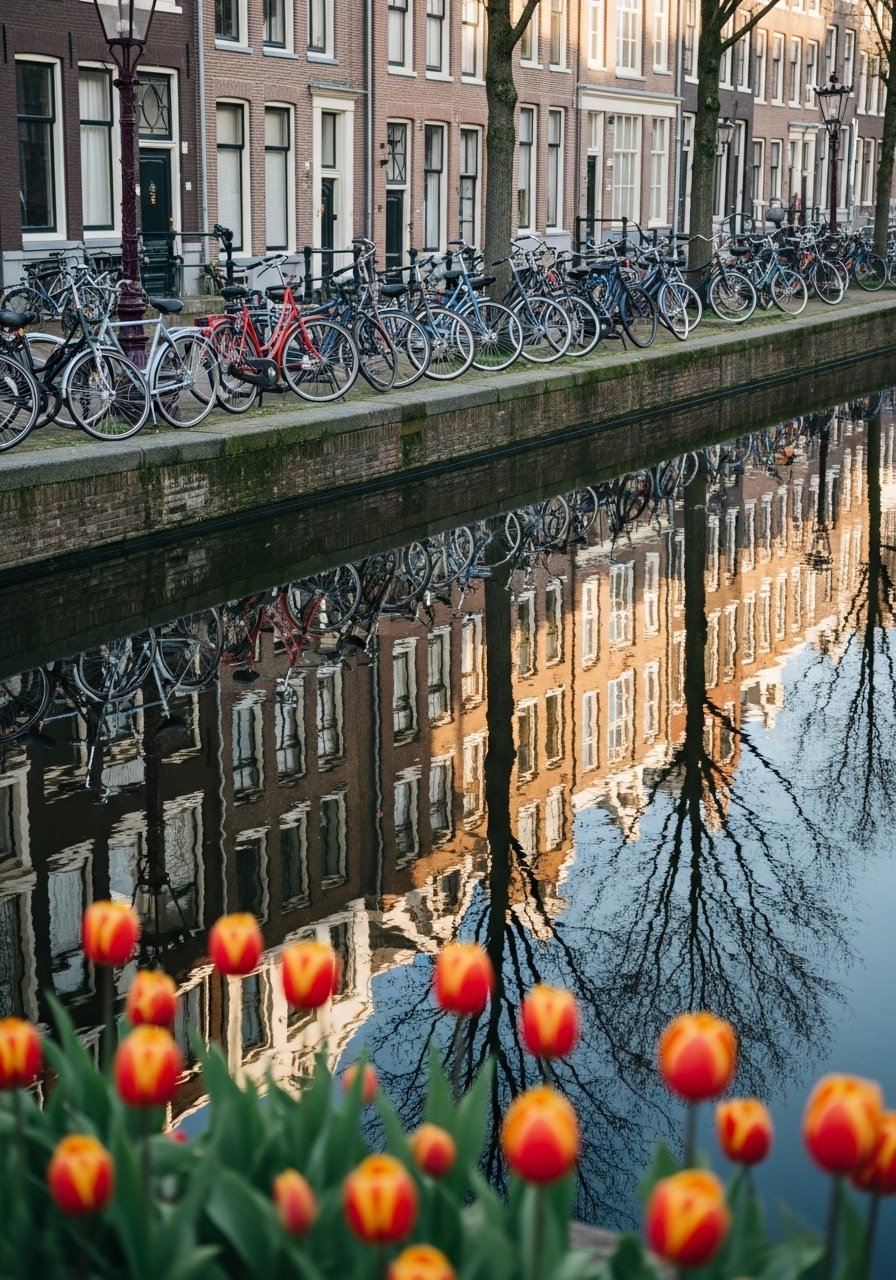
Amsterdam clicked immediately. The layout is logical, the bike lanes are everywhere, and almost everyone speaks English fluently. I rented a bike on day one and stopped overthinking the map within a few hours.
The canal ring neighborhoods — Jordaan especially — are the kind of place you can wander without any plan. I found a tiny used bookshop, a flower stall that smelled unreal, and a brown café where I ate lunch alone and didn’t feel out of place for a second.
I overpacked for this trip and ended up leaving half my clothes at the hotel. Next time, I’m doing carry-on only. The city is so walkable and bikeable that a huge bag just slows you down.
What You’ll Need for This Trip
- Packing cubes set for carry-on travel, 6-piece
- Compact travel umbrella, windproof
- Slim passport holder with RFID blocking
4. The Irish Cliffs — Wild Coastal Walks That Reset Your Whole Head
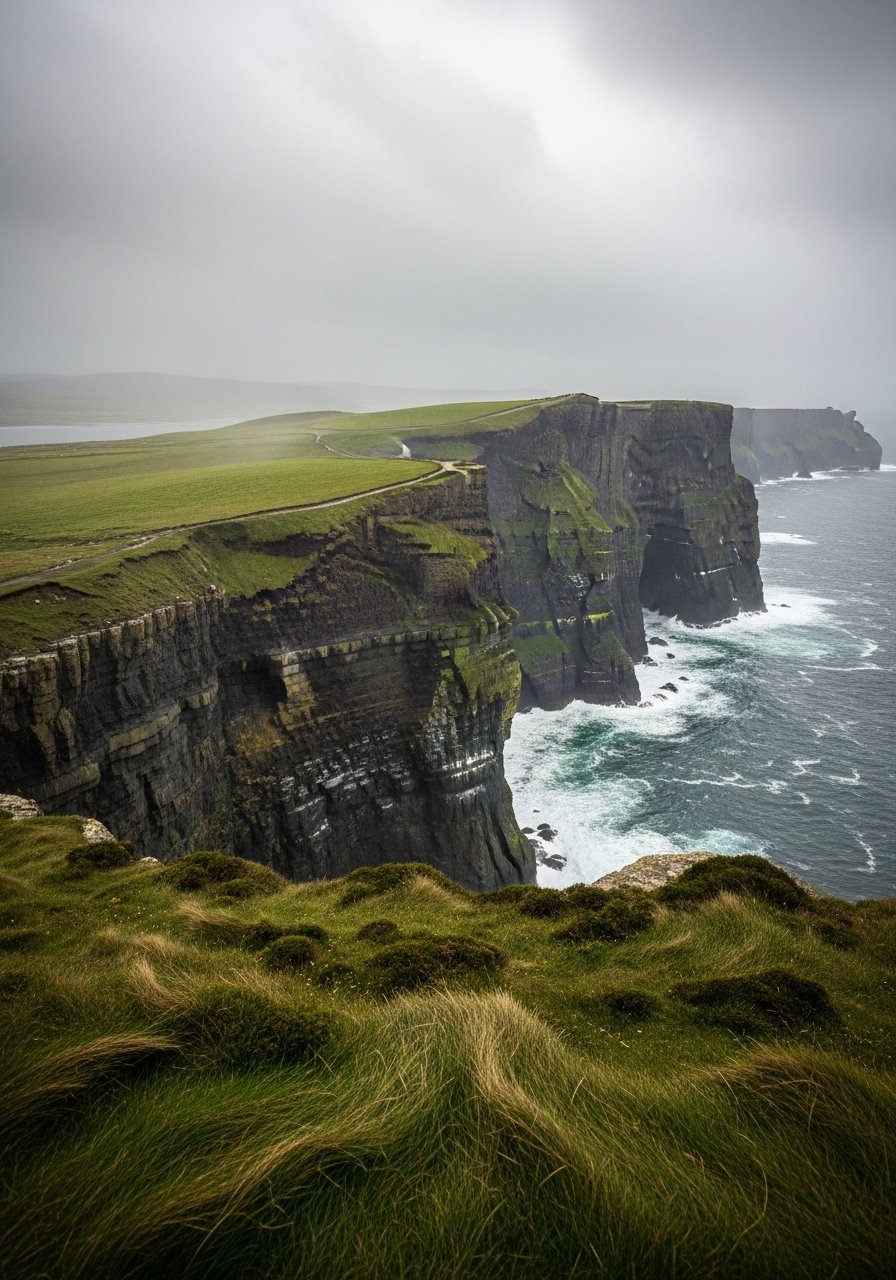
I drove the Wild Atlantic Way alone over five days and it was one of the most freeing things I’ve done. Ireland is the kind of place where getting a little lost on a back road is actually part of the experience.
The cliffs near the Burren and along the Dingle Peninsula are genuinely dramatic. On a cloudy, misty afternoon, they look like something from another time. I pulled over at an unmarked spot, sat on the grass, and just listened to the wind and the waves below.
Renting a small car is the best call here. Public transport in rural Ireland is limited, and you don’t want to miss the coastline between the towns.
What You’ll Need for This Trip
- Waterproof hiking boots, ankle support, women’s or men’s
- Packable dry bag for coastal walks
- Portable power bank, slim high-capacity
5. New Zealand’s South Island — Mountain Views and Empty Roads
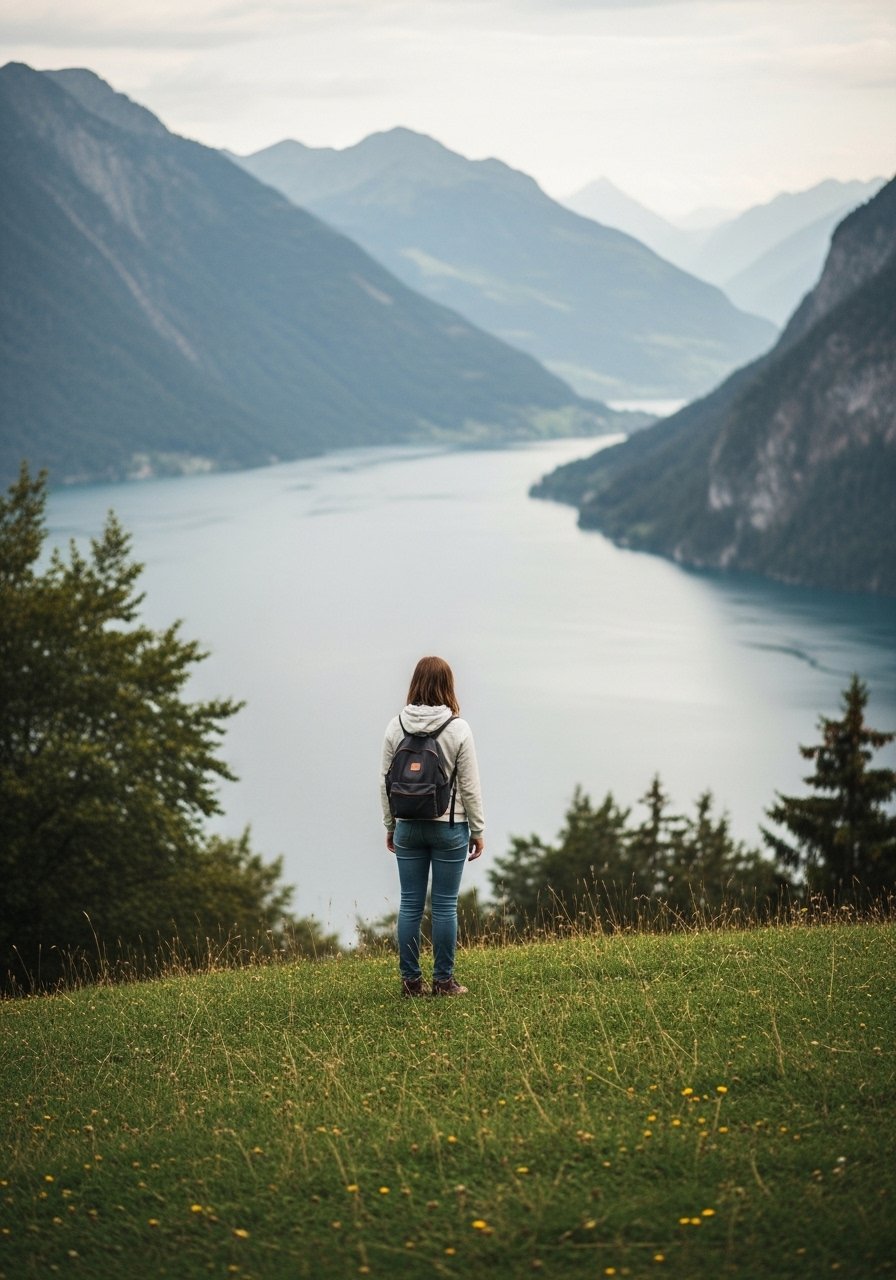
I didn’t expect New Zealand to feel as safe as it did. It’s one of those places where you could stop your car at a trailhead and leave your bag on the seat without thinking twice. Solo travel there just felt easy.
Queenstown is the obvious hub, but I found the drive toward Wanaka and then up to Mount Cook way more memorable. The scale of the landscape is hard to describe until you’re actually standing in it.
I made the mistake of booking too many activities upfront. Half of them got rained out anyway. My best moments were unplanned — a lookout off the highway, a lake I stopped at because the light was right.
What You’ll Need for This Trip
- Lightweight hiking daypack, 20L, women’s
- Merino wool base layer, travel-friendly
- Waterproof phone case for outdoor travel
6. San Francisco, USA — Walkable Neighborhoods and Easy to Figure Out Alone
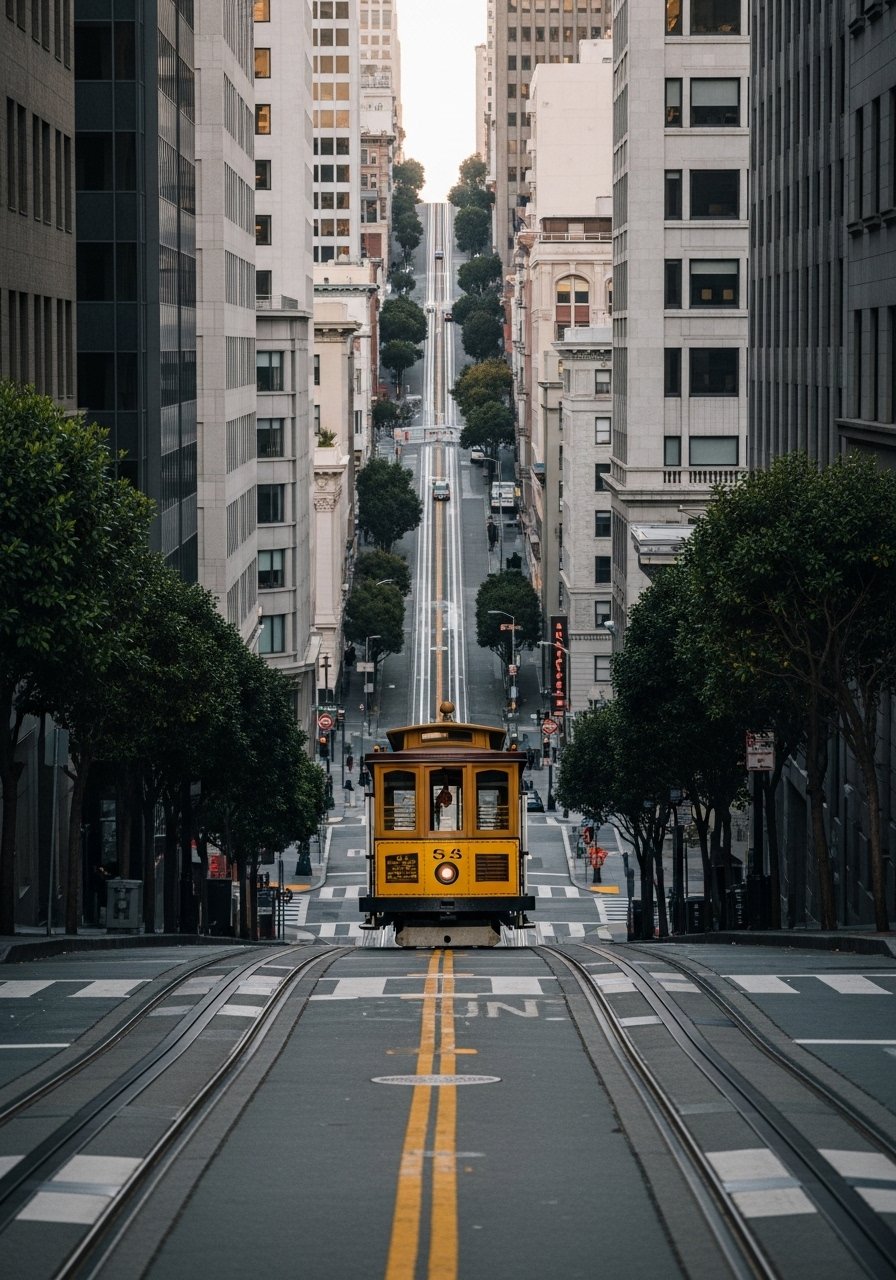
San Francisco is underrated as a solo destination. The neighborhoods each feel like their own small city — you can spend a whole day in just one and not run out of things to see or eat. The cable cars are actually useful, not just touristy.
I walked from the Ferry Building through North Beach and up to Coit Tower on my first full day, and by the time I got back I felt like I had a handle on the whole city. That’s the thing about San Francisco: it rewards walkers.
The hills are real, though. I wore the wrong shoes on day one and paid for it all evening. Supportive sneakers are not optional here.
What You’ll Need for This Trip
- Supportive walking sneakers for hilly city terrain
- Crossbody travel bag with zipper, casual style
- Layering fleece jacket, packable and lightweight
7. Bali, Indonesia — Beach Days, Rice Terraces, and Your Own Pace
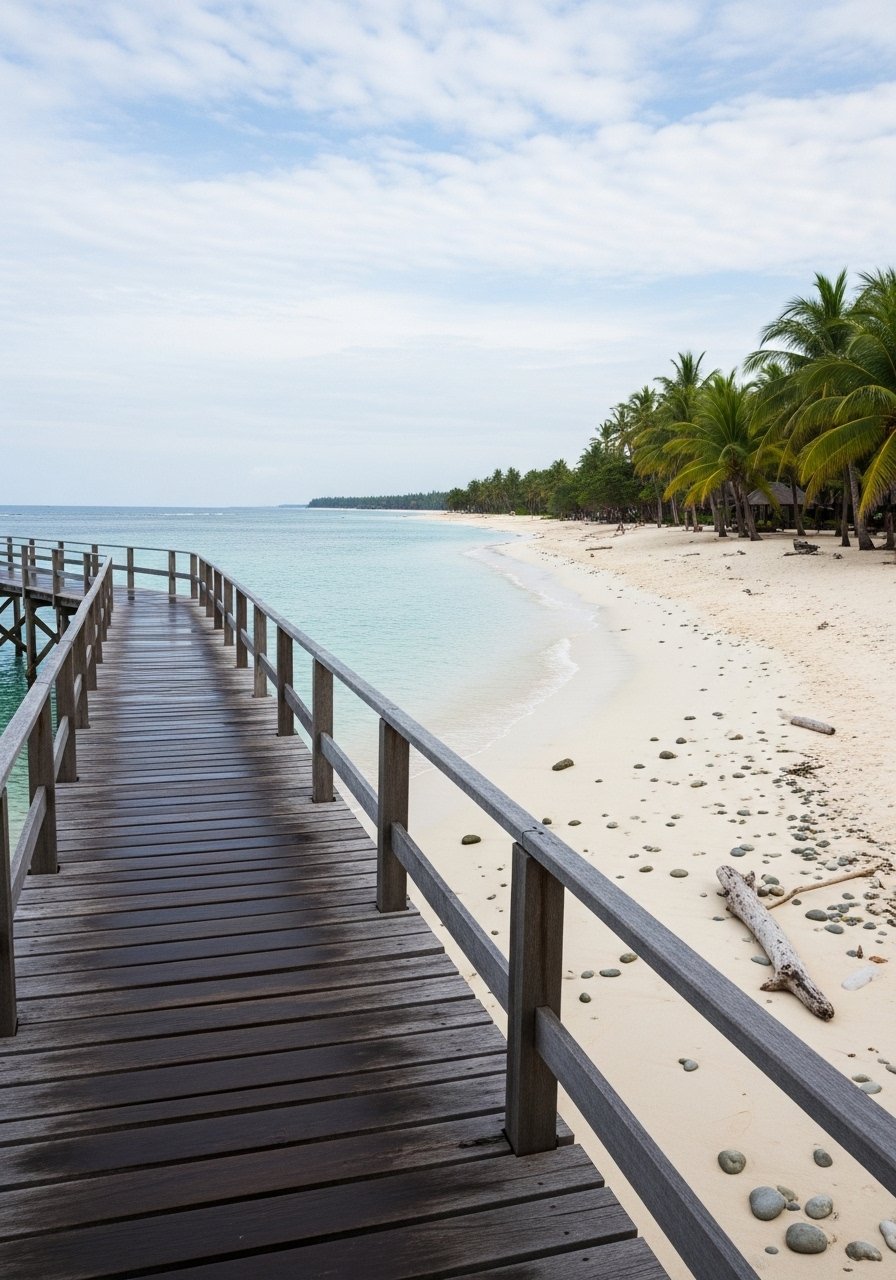
I went to Bali nervous about getting ripped off or being overwhelmed. Neither happened once I stopped comparing it to photos online and just let myself settle in. Ubud is calm, especially in the mornings before the day tours arrive.
The rice terraces don’t require a guide. I walked them alone early one morning with a basic paper map and a bottle of water. It was one of the most peaceful hours of my trip.
Seminyak is better for beach days and sunset watching. Canggu suits the quieter, café-heavy crowd. You don’t have to pick just one — a few nights in each gave me a really full picture of the island.
What You’ll Need for This Trip
- Quick-dry travel towel, compact, microfiber
- Reef-safe sunscreen SPF 50, travel size
- Lightweight tote bag for beach days
8. Porto, Portugal — Quieter Than Lisbon, Just as Good
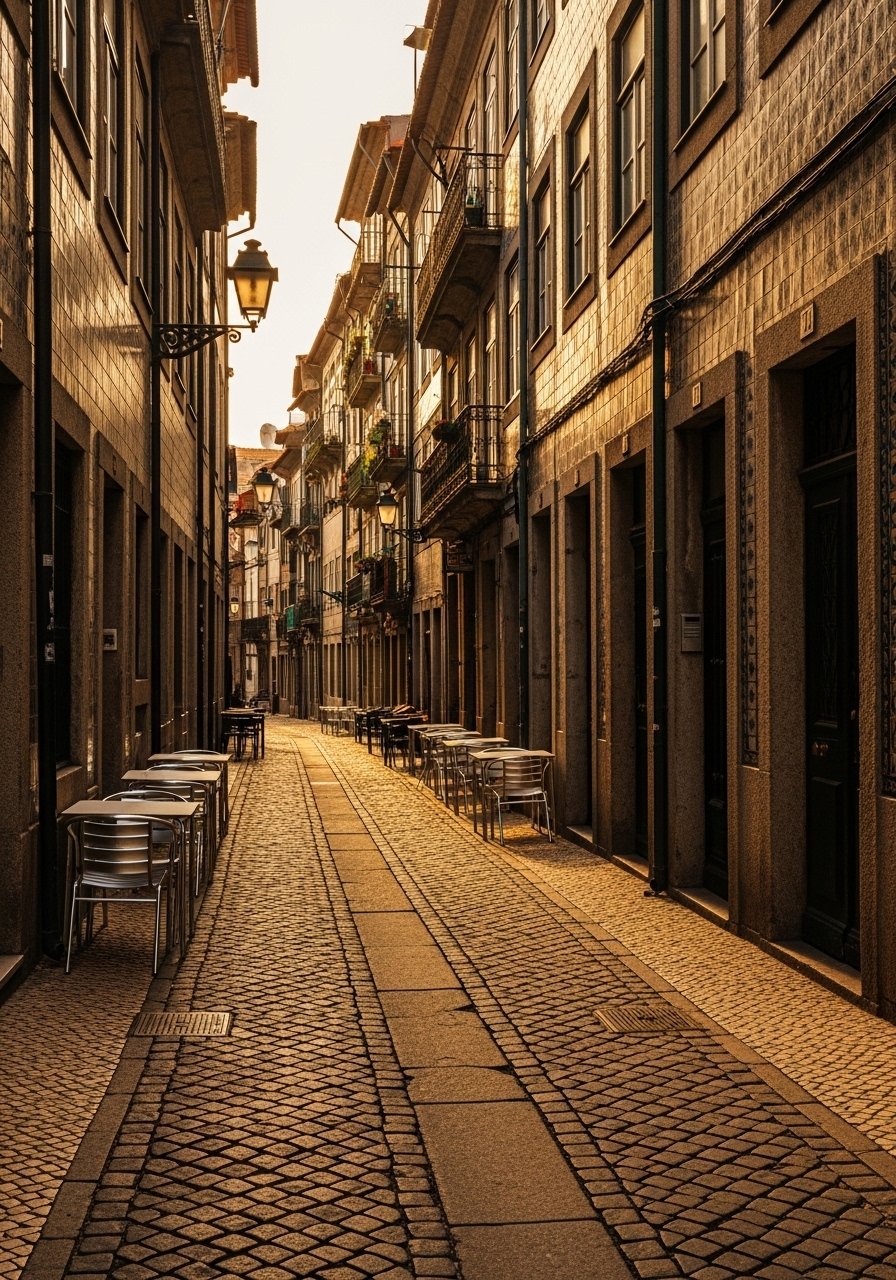
Porto surprised me in the best way. I went because flights were cheap and left thinking it might be my favorite city in Europe. It’s smaller than Lisbon, less crowded, and the old town is genuinely beautiful to just walk through with no agenda.
The Ribeira waterfront is the tourist center, but walk ten minutes uphill and things get quieter and more local immediately. I found a tiny tile shop run by an elderly man who spent twenty minutes telling me the history of azulejos. I didn’t even buy anything. He didn’t seem to mind.
The wine is also worth mentioning. Port wine tastings at the cellars in Vila Nova de Gaia are affordable, easy to book solo, and a great way to spend an afternoon.
What You’ll Need for This Trip
- Compact travel journal, hardcover, lined
- Anti-theft slim waist pack for city travel
- Cushioned walking shoes for long city days
9. Montenegro — Small, Scenic, and Still Under the Radar
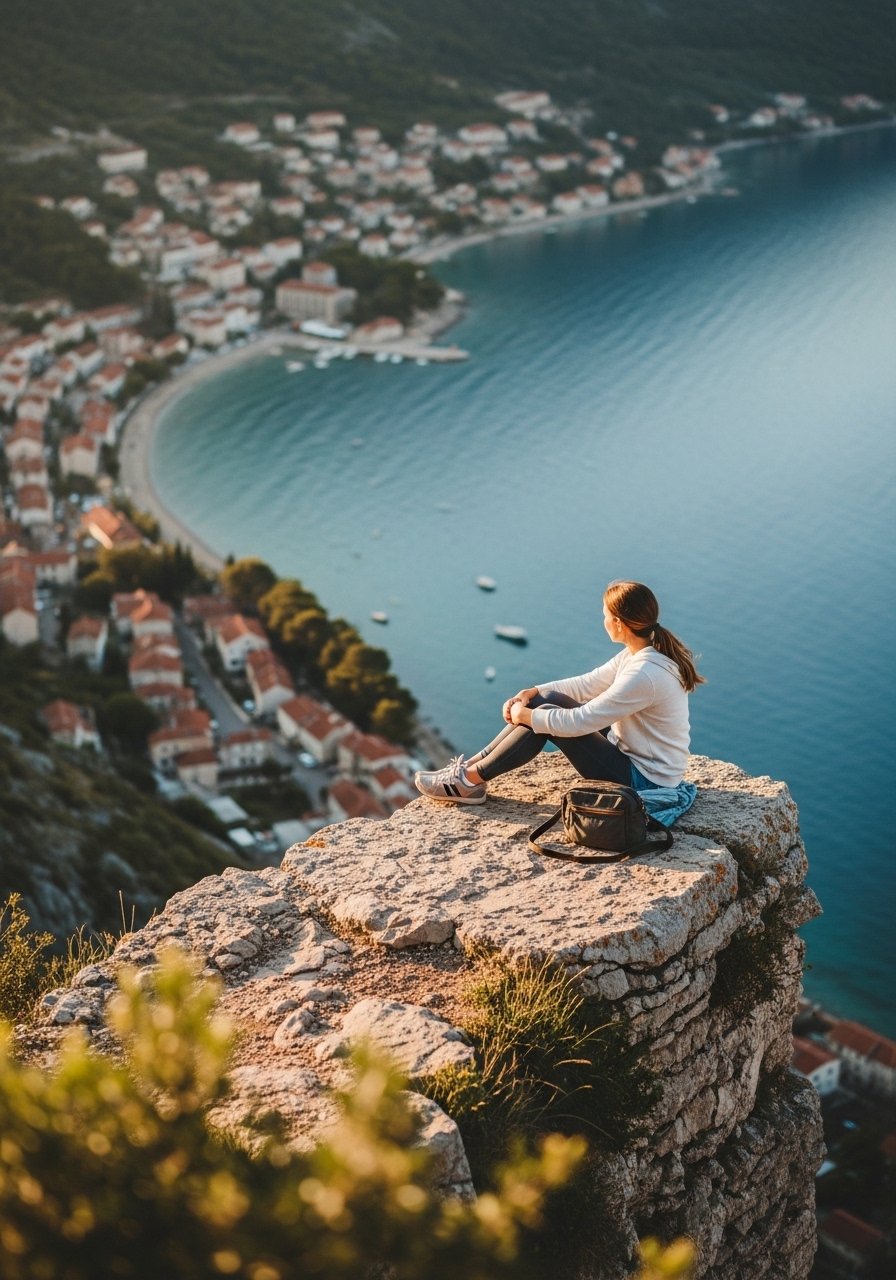
Montenegro kept coming up in conversations with other travelers and I finally booked a trip there on a short notice. It’s one of those places that still feels genuinely uncrowded, even in summer, and the scenery is dramatic in a quiet way.
Kotor is the base most people use. The old walled city is small and walkable, and the hike up to the fortress above it is worth every step. I did it alone at sunrise and had the whole path to myself for the first hour.
Bay of Kotor boat tours are easy to book solo and affordable. I joined a small group tour and ended up talking to people from four different countries. Sometimes traveling alone is the fastest way to actually meet people.
What You’ll Need for This Trip
- Lightweight hiking sandals for rocky terrain
- Compact binoculars for coastal views
- Slim travel wallet with RFID blocking
10. Lisbon to Sintra Day Trip — One of the Easiest Solo Train Rides You’ll Take
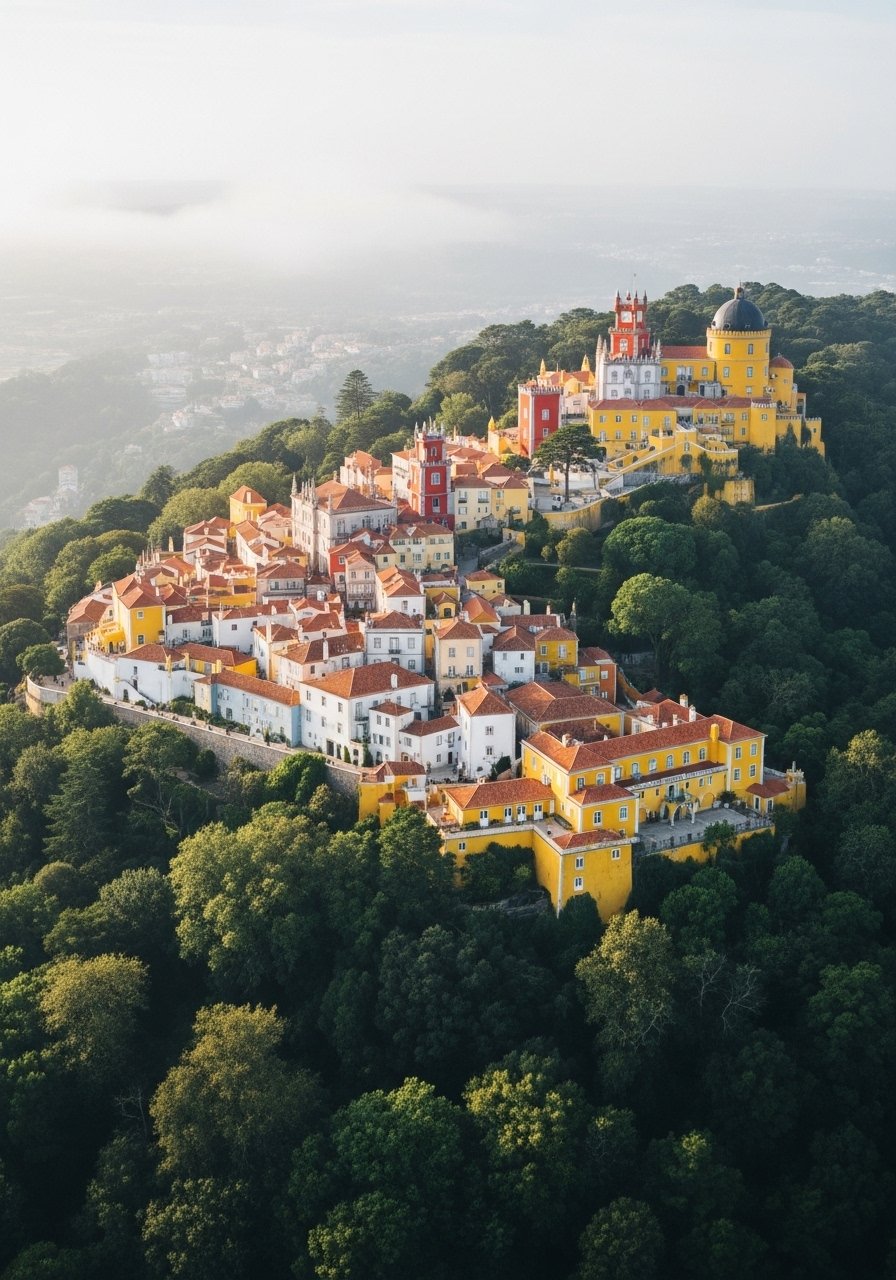
I almost skipped Sintra because I thought it sounded too day-trippy. But the train from Lisbon takes about 40 minutes and costs almost nothing, and the town itself is unlike anywhere else in Europe. Palaces on hilltops, gardens carved into rock, and a castle that appears out of the fog.
I went on a weekday and still hit crowds by 10am. Next time I’d take the very first train and be at Pena Palace before the tour groups arrive.
The hike between the palaces is steep and uneven in places. Good shoes matter more than anything else here. I watched multiple people in flip-flops turn back halfway up and felt genuinely sorry for them.
What You’ll Need for This Trip
- Trail shoes for day hiking and cobblestone terrain
- Reusable snack bag set for travel days
- Slim portable charger for day trips
11. Scotland’s Highlands — Raw, Quiet, and Worth the Drive
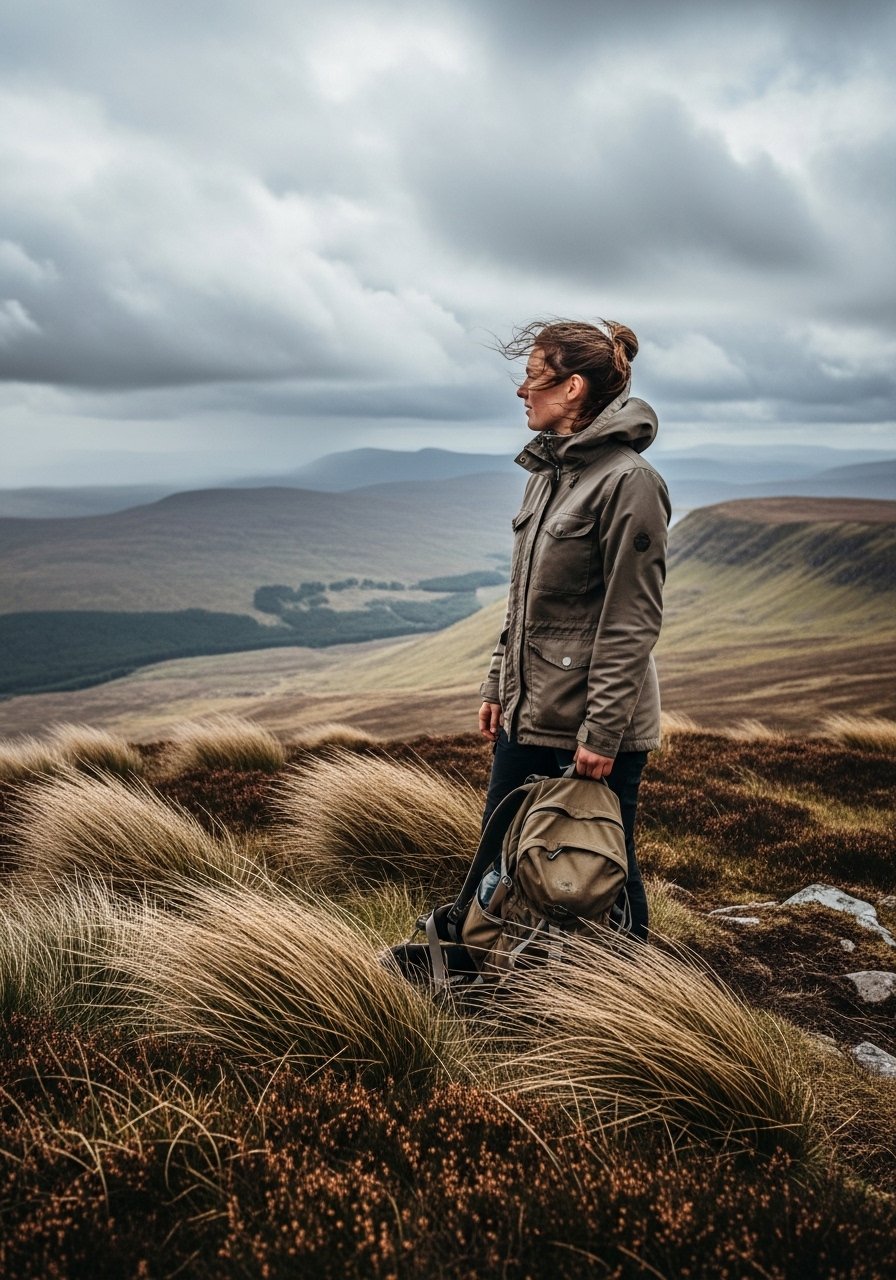
Scotland was the first place I rented a car alone and drove on the left. It took about forty minutes before I stopped white-knuckling the steering wheel. After that, it was one of the best road trips I’ve taken.
The Highlands are genuinely vast. There are stretches of single-track road where you won’t see another car for twenty minutes, just hills, lochs, and the occasional sheep. It feels remote without being unsafe.
I stopped at Glencoe on a foggy afternoon and it looked like the mountains were dissolving into the sky. Didn’t plan it, didn’t read about it ahead of time. That’s the thing with places like this — you can’t really photograph your way into understanding them. You have to just be there.
What You’ll Need for This Trip
- Waterproof hiking jacket, women’s, packable
- GPS car mount for road trips abroad
- Thermal water bottle for cold-weather hiking
12. Waterfall Trails in Iceland — Cold, Beautiful, and Impossible to Mess Up
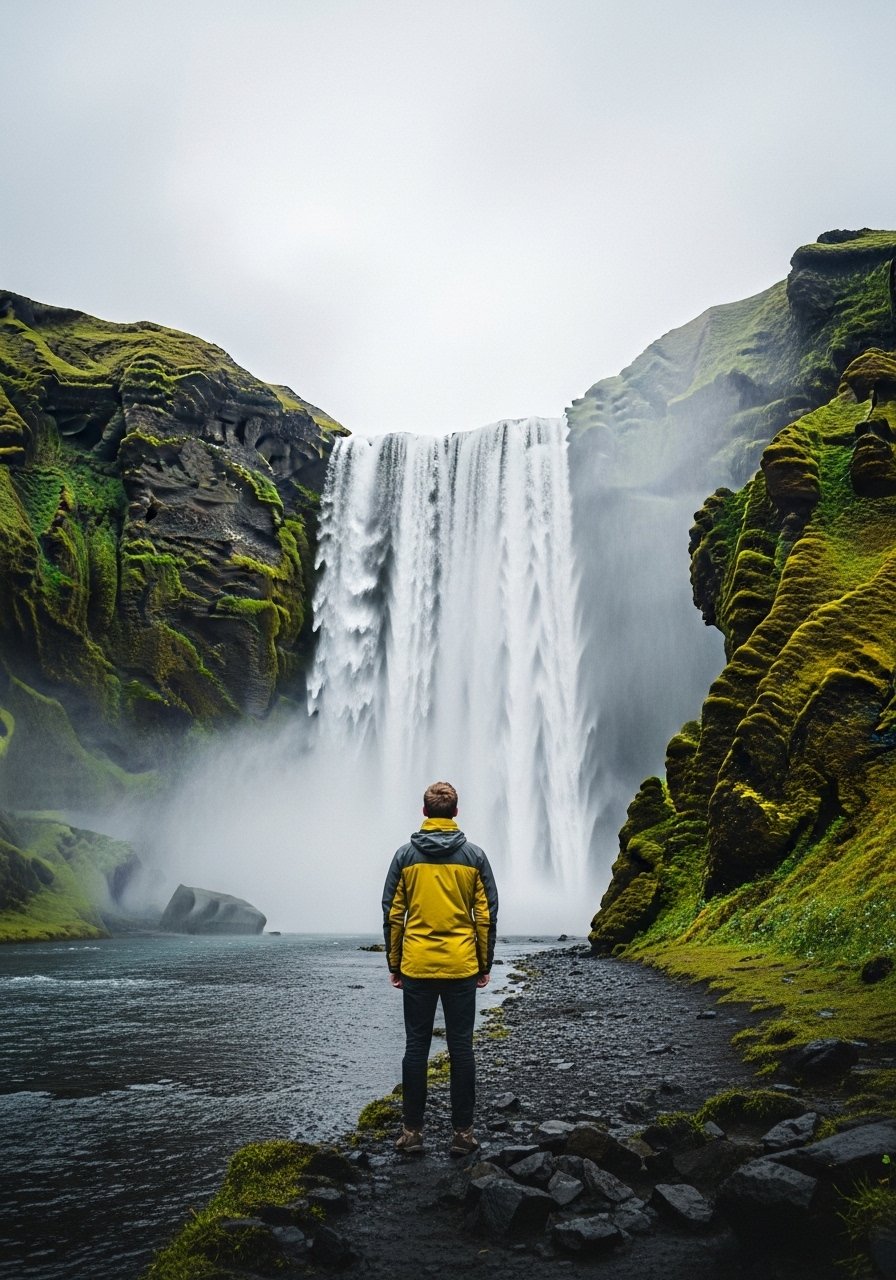
Iceland’s waterfalls are everywhere and most of them are right off the main ring road. I kept expecting to have to hike miles to get to something beautiful. Instead I’d pull over a car and walk three minutes to something that looked completely unreal.
Seljalandsfoss is the one you can walk behind. Worth it. My jacket got completely soaked in thirty seconds and I didn’t care at all. Skógafoss is wider and louder and you can climb steps to a lookout above it.
The wind in Iceland is not a joke. I had a hat blow off my head at a viewpoint and spent a few embarrassing minutes chasing it across the gravel. Pack a proper hat, something with a chin strap if possible.
What You’ll Need for This Trip
- Waterproof windproof jacket for Iceland travel
- Fleece-lined beanie with chin strap or secure fit
- Waterproof hiking pants, lightweight
13. Prague, Czech Republic — Easy Old City, Great for First-Timers
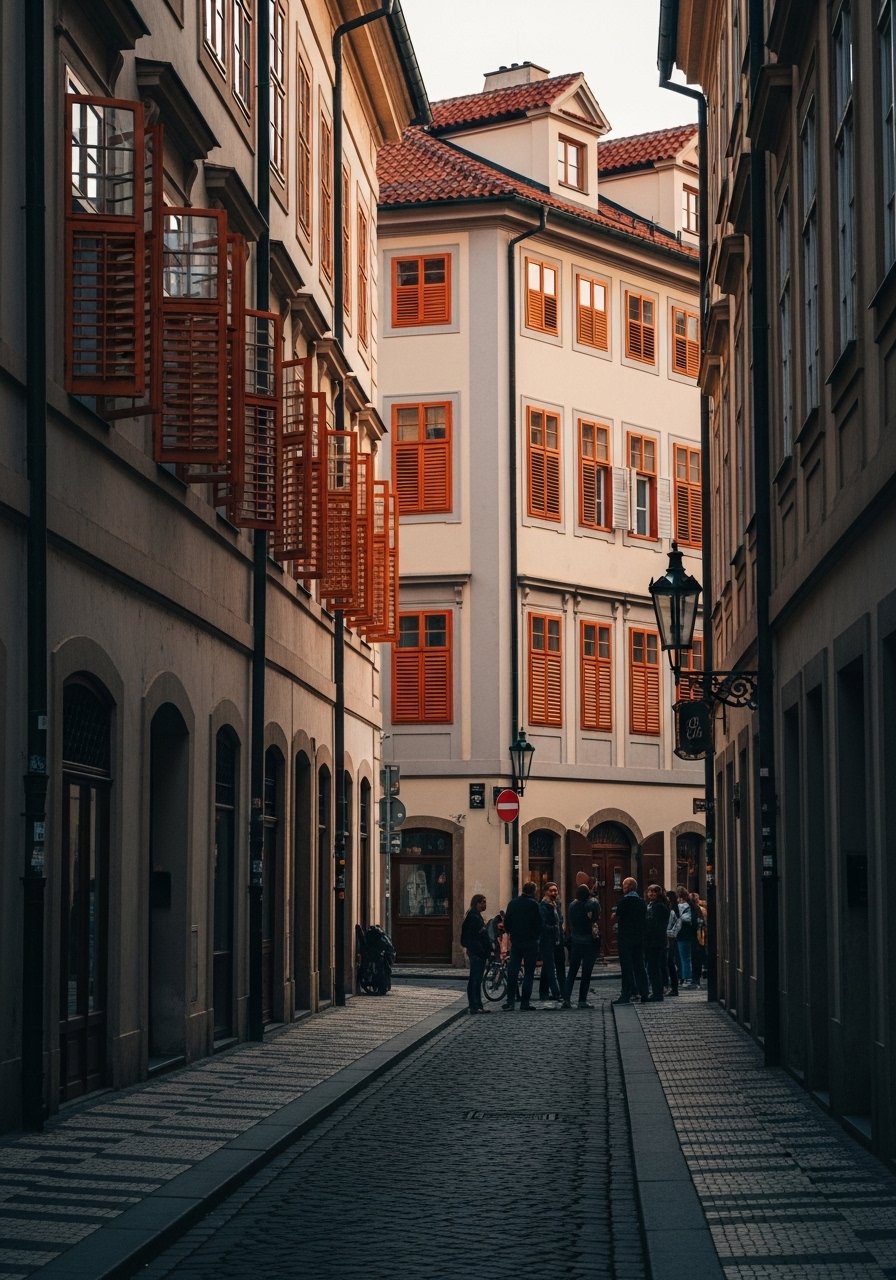
Prague is one of those cities that looks amazing in photos and actually delivers in person, which isn’t always guaranteed. The old town is compact, easy to walk, and absolutely full of beautiful architecture around every corner.
I stayed in a neighborhood just outside the tourist center and paid about half what hotels in the old town cost. A fifteen-minute walk every morning was worth it. The streets get quieter and more normal-looking within a few blocks.
One thing I’d flag: the Charles Bridge is crowded almost all day. Go very early or at night. At 6 am it’s quiet, the light is soft, and you’ll get the whole thing to yourself. I had a moment there that felt like something out of a film.
What You’ll Need for This Trip
- Compact mirrorless camera for low-light city photography
- Anti-theft backpack for city sightseeing
- Comfortable slip-on walking shoes, women’s or men’s
14. Lake Bled, Slovenia — A Small Country That Feels Made for Solo Travelers
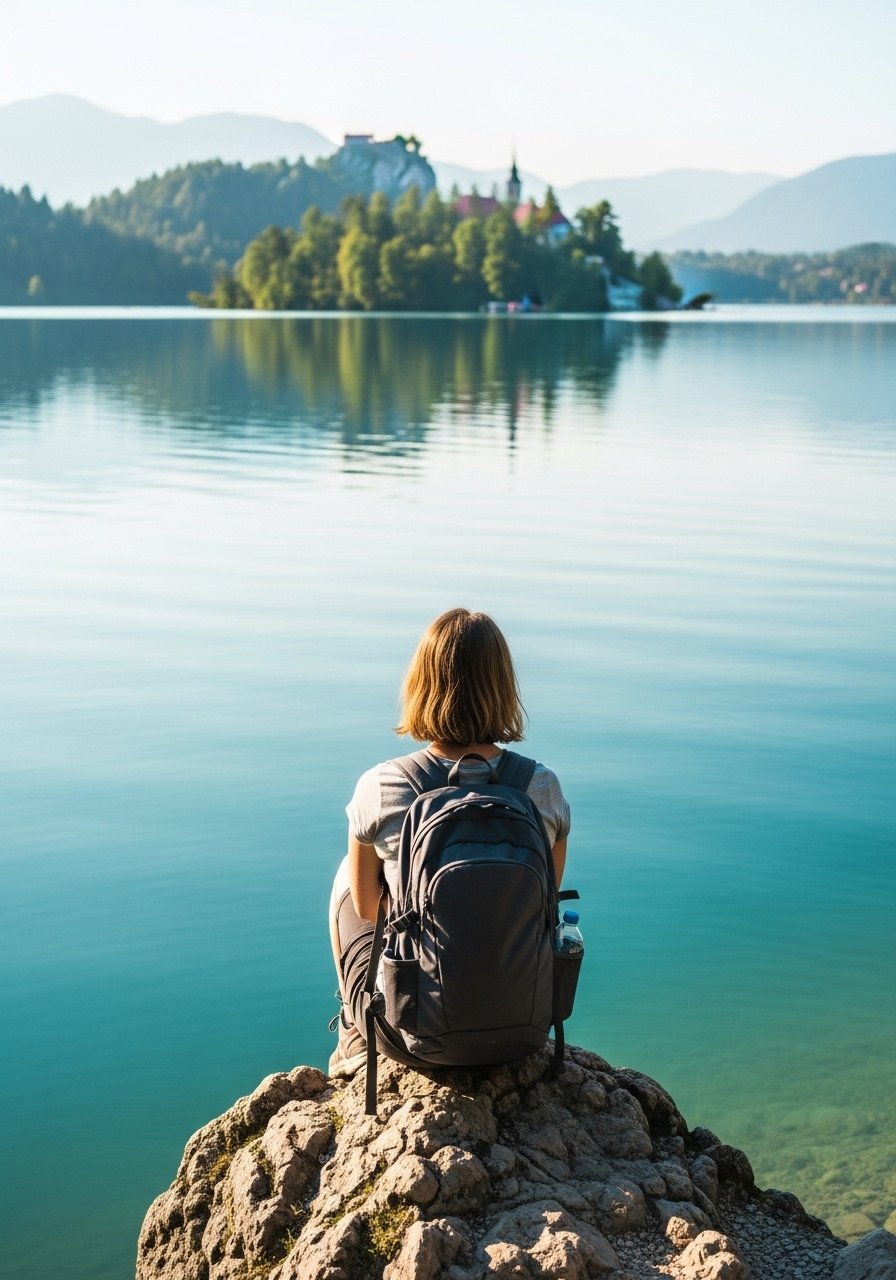
Slovenia is small, safe, and genuinely easy to get around. Lake Bled is the postcard moment everyone comes for, and it earns it — the lake is the color of something invented for a movie set. The island in the middle, the castle above, all of it is real.
I rented a rowboat and went out alone in the early afternoon. It cost about fifteen dollars and took me to the island and back. I climbed the church steps and rang the bell, which is apparently good luck. I needed the rowing practice more than the luck.
Ljubljana, the capital, is just an hour away by bus. It’s one of the most walkable small capitals in Europe. A great combo for a solo trip under a week.
What You’ll Need for This Trip
- Quick-dry travel shorts for outdoor activities
- Compact packable daypack, foldable
- Lightweight sunglasses, UV400, polarized
15. Tokyo, Japan — Complicated on Paper, Simple Once You’re There
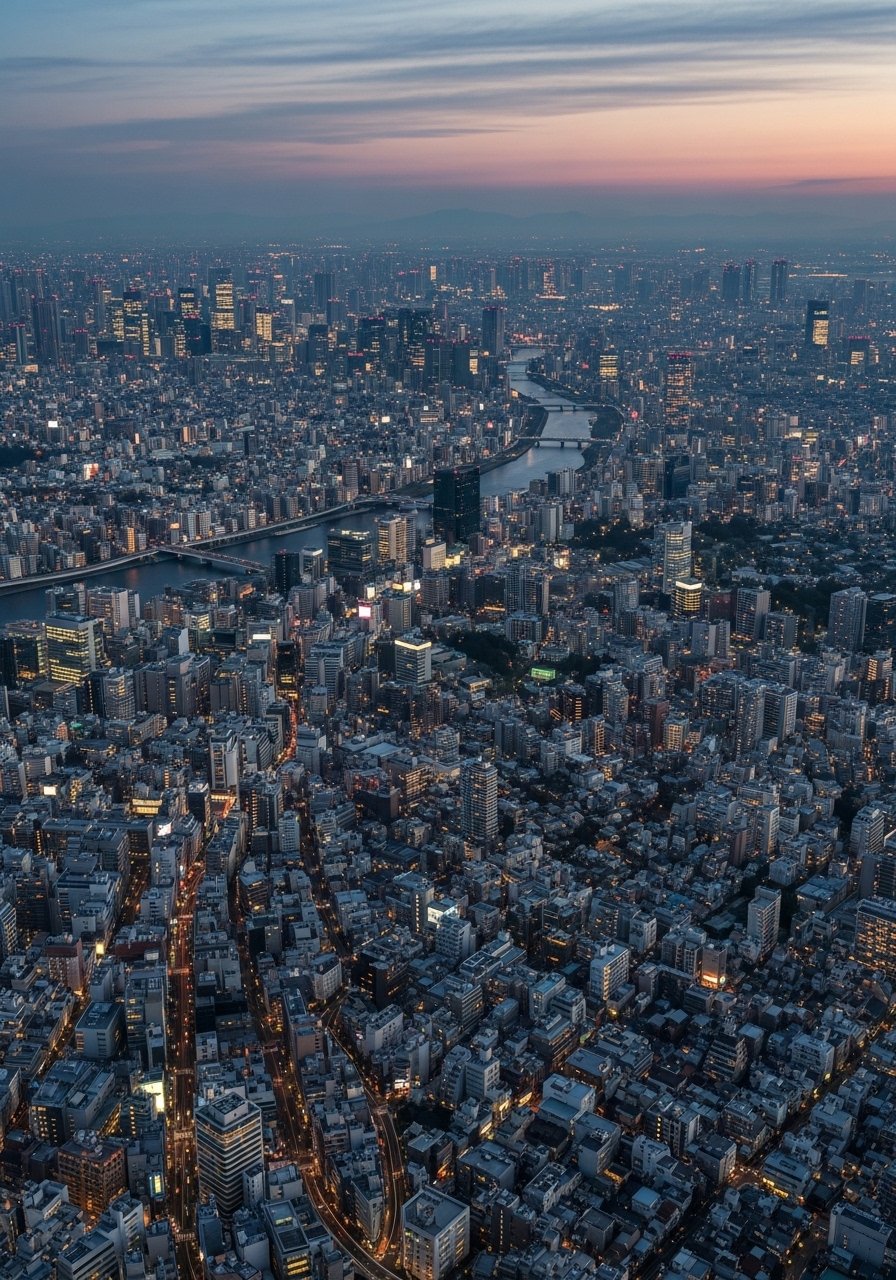
I was intimidated by Tokyo before I went. I thought the language barrier would make everything hard. It didn’t. The subway system is color-coded, IC cards work everywhere, and Google Maps is accurate to the minute. I barely got confused after day two.
What helped most was staying in a neighborhood rather than near a major station. I chose Shimokitazawa — a quiet, artsy area full of vintage shops and coffee places — and it gave me a home base that felt manageable.
Tokyo rewards curiosity. I followed a small alley one evening just to see where it went and ended up at a standing ramen bar with six seats where the chef spoke no English and I had one of the best bowls of food I’ve ever eaten.
What You’ll Need for This Trip
- Universal travel adapter with USB ports
- IC card holder or transit card wallet
- Carry-on luggage, 22 inch, lightweight hard shell
16. Costa Rica — Easy Nature and Surprisingly Beginner-Friendly
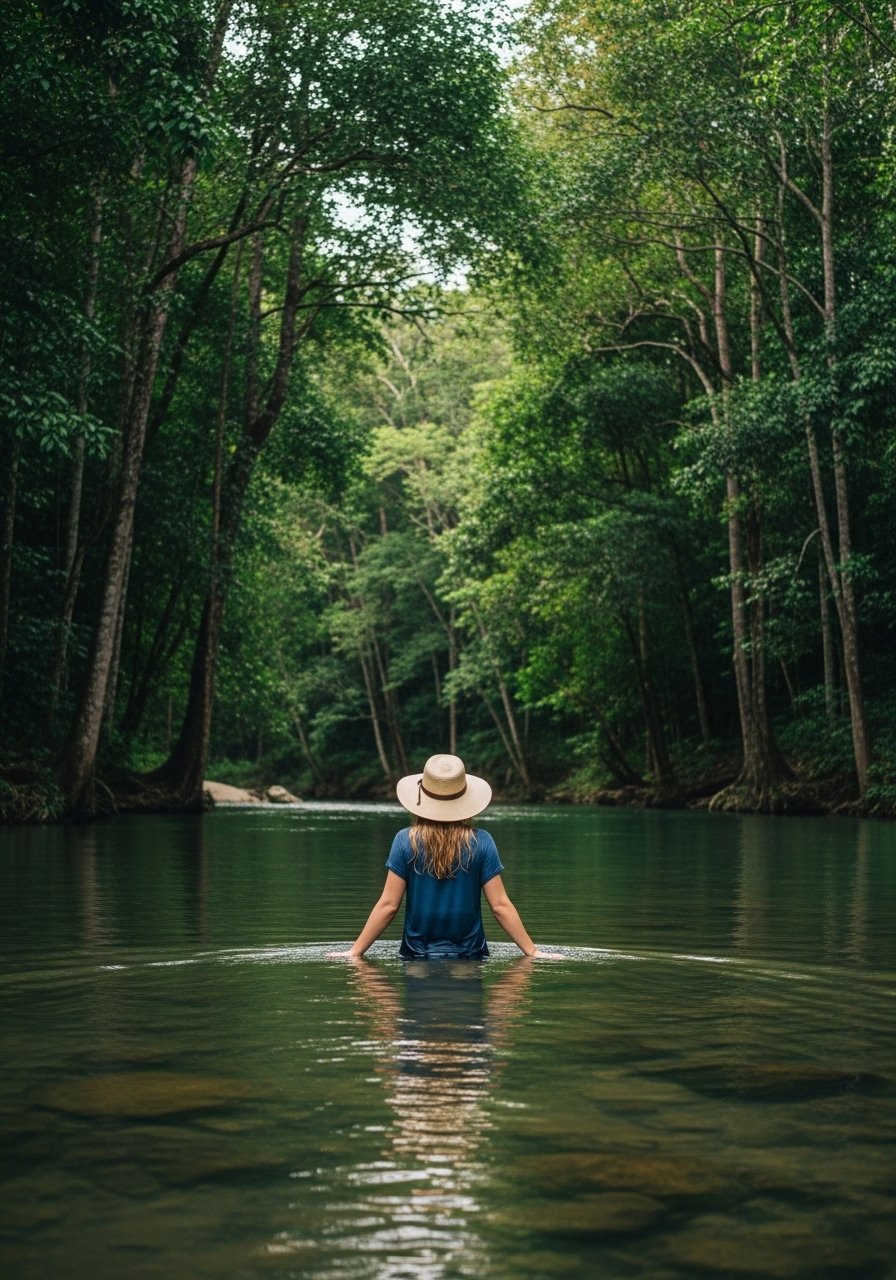
Costa Rica was the first place I did a real nature trip alone. I booked a cabin near Monteverde cloud forest and spent three days hiking trails, eating casado lunches at local spots, and sleeping with the sound of rain on the roof.
The tourist infrastructure is good without being overwhelming. Signs are in Spanish and English. Shuttle services connect most destinations clearly. You don’t need a rental car for everything, though having one in certain areas helps.
I skipped the ATV tours and zip lines because they didn’t interest me, and nobody made me feel bad about it. You can do Costa Rica completely at your own pace. That’s one reason it works so well for solo beginners.
What You’ll Need for This Trip
- Insect repellent spray for jungle travel, DEET-free
- Lightweight dry-fit long sleeve shirt, UPF 50
- Waterproof hiking sandals for river crossings
17. Oaxaca, Mexico — Colorful, Walkable, and Deeply Welcoming
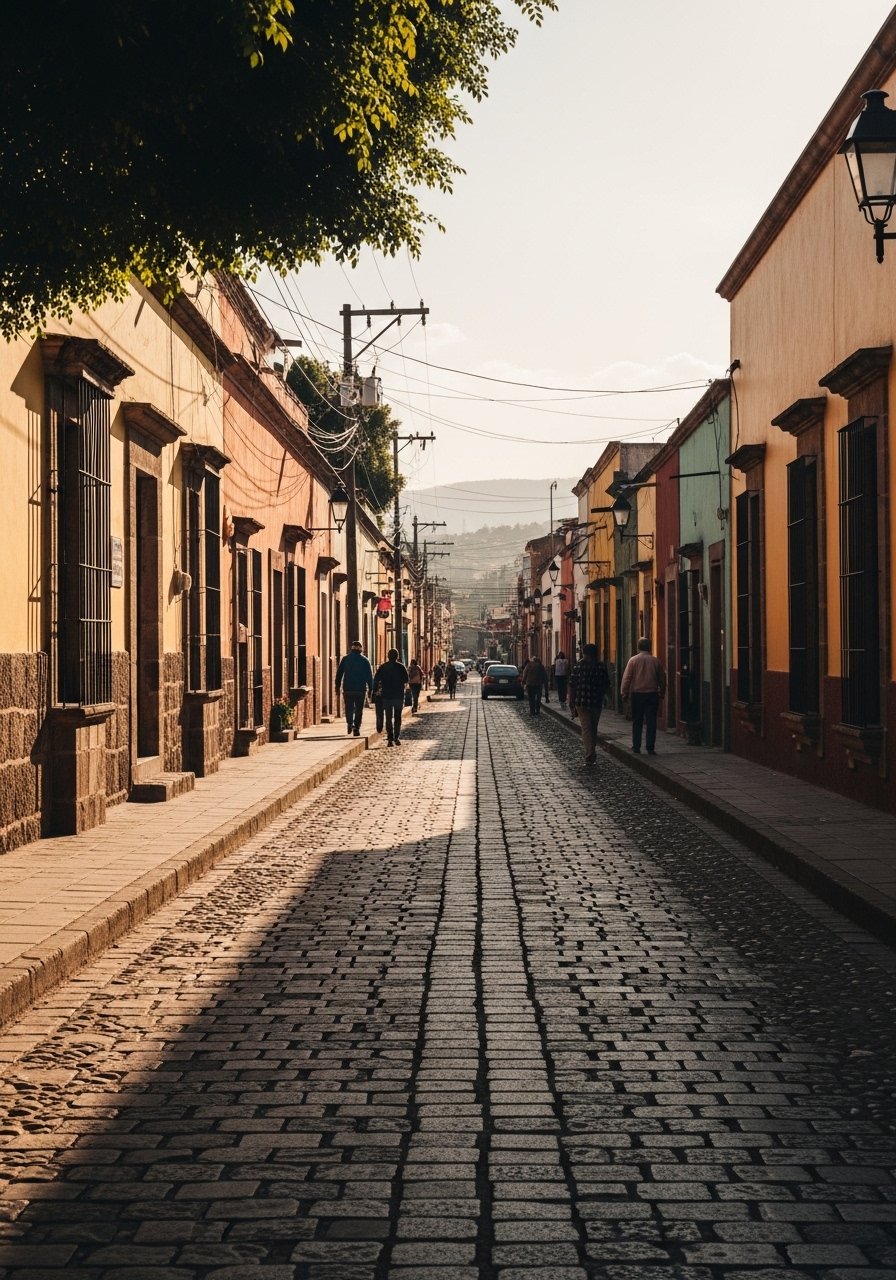
Oaxaca was not on my radar until a friend mentioned it while I was planning a Mexico trip around bigger cities. I changed my itinerary last minute and it ended up being the highlight of the whole journey.
The city center is compact, almost entirely walkable, and full of mezcal bars, art galleries, markets, and restaurants that are genuinely affordable. The food culture here is some of the most interesting I’ve encountered anywhere.
I was nervous going alone to Mexico for the first time. The reality was that Oaxaca felt calm, the streets were busy in a good way, and I never felt watched or followed. I stayed in a small hotel near the Zócalo and walked everywhere day and night without issue.
What You’ll Need for This Trip
- Money belt for travel, flat and discreet
- Spanish phrasebook, pocket-size travel edition
- Lightweight linen top for warm climate travel
18. Cinque Terre, Italy — Five Villages and One Incredibly Easy Trail
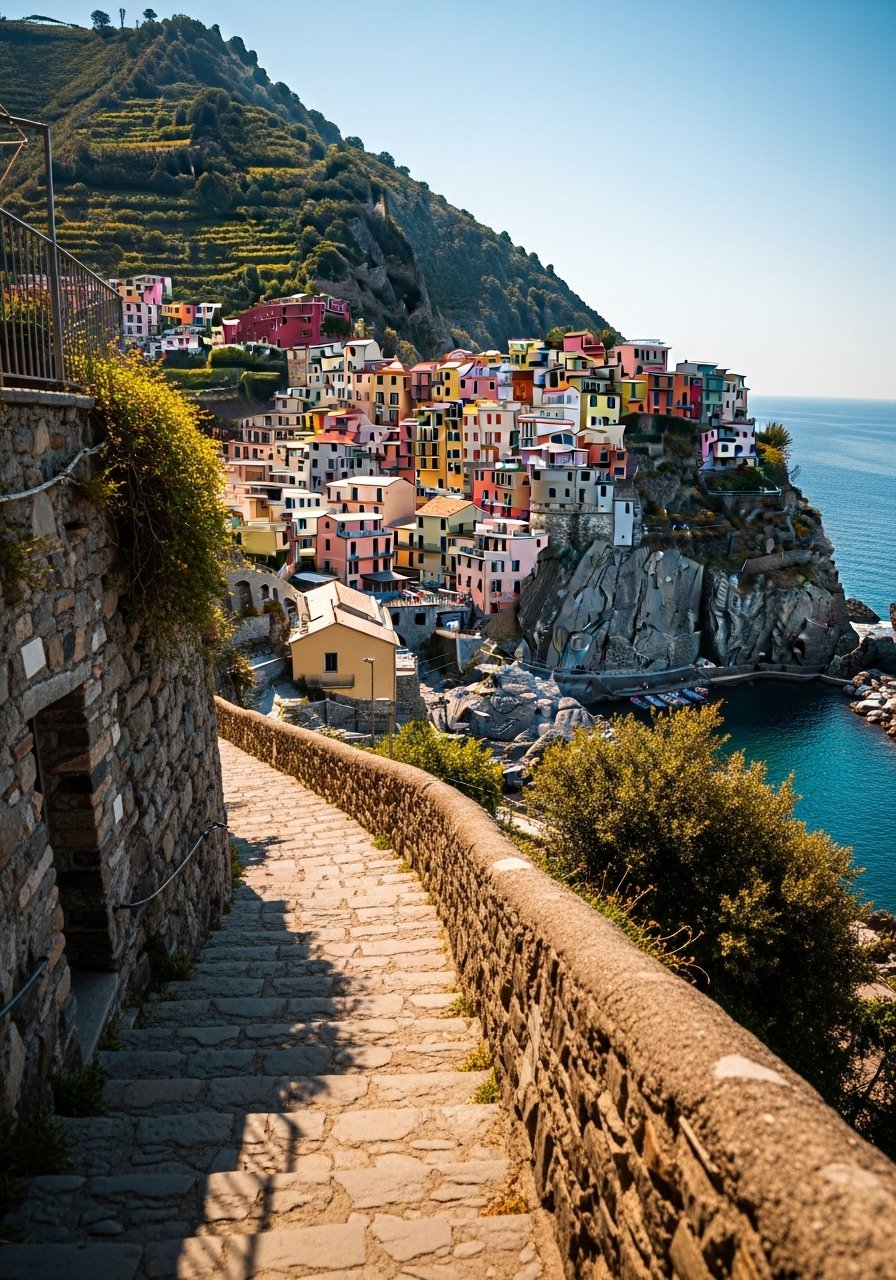
Cinque Terre is five small villages connected by a coastal trail and a train. That’s it. And it works perfectly for solo travel. You don’t need to plan much — just pick which village to sleep in and let the trail take you through the others.
I stayed in Manarola, which is quieter than Vernazza or Monterosso. The trail between Corniglia and Vernazza was my favorite stretch. It’s a bit steep in the middle but you never feel alone because other hikers are always nearby.
The one thing worth knowing: the villages get very crowded midday in summer. Morning hiking is non-negotiable if you want the trail to yourself. I was out by 7am on my second day and it felt like a completely different experience.
What You’ll Need for This Trip
- Hiking shoes with ankle support, trail-ready
- Reusable collapsible water bottle for hiking
- Clip-on carabiner for small bag or water bottle
19. Swiss Alps Day Hiking — Scenic Trails With No Navigation Skills Required
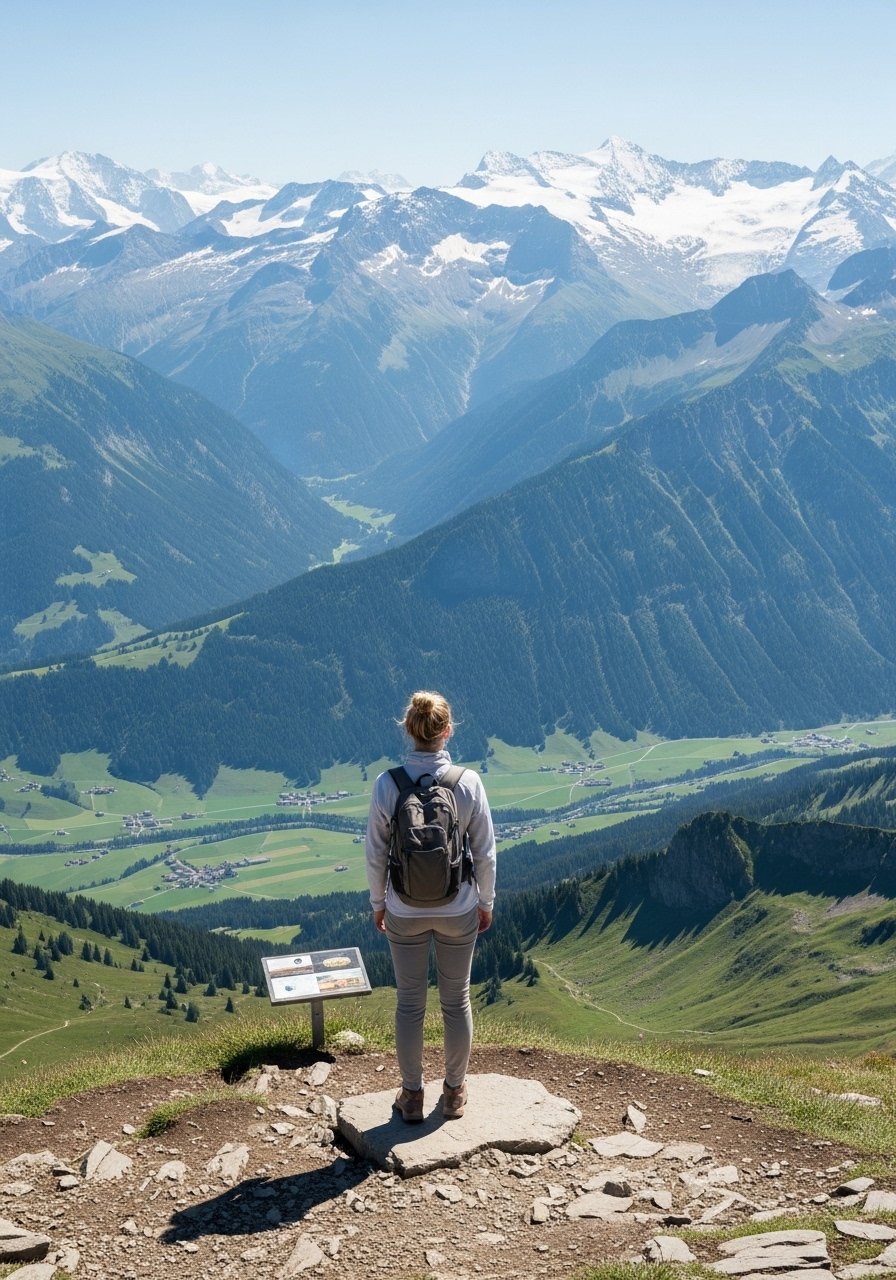
Switzerland is expensive, but hiking is free. I took the train to Grindelwald and spent two days walking trails that were so well-marked I never once felt uncertain about where I was going. Every fork had a wooden sign. Every trail was maintained.
The Männlichen to Kleine Scheidegg ridge walk was my best day. It takes about two hours, flat and easy, with views of the Eiger the entire time. It didn’t require any preparation beyond decent shoes and a sandwich.
I had a slightly overconfident moment where I tried to extend the hike in cloudy weather and turned back when the path started feeling exposed. Good instinct. Even beginner-friendly trails require paying attention to weather.
What You’ll Need for This Trip
- Lightweight hiking poles, collapsible, aluminum
- Trail running shoes, grip sole, women’s or men’s
- High-protein snack bars for hiking, variety pack
20. Moab, Utah — Desert Landscapes and Easy Park Access
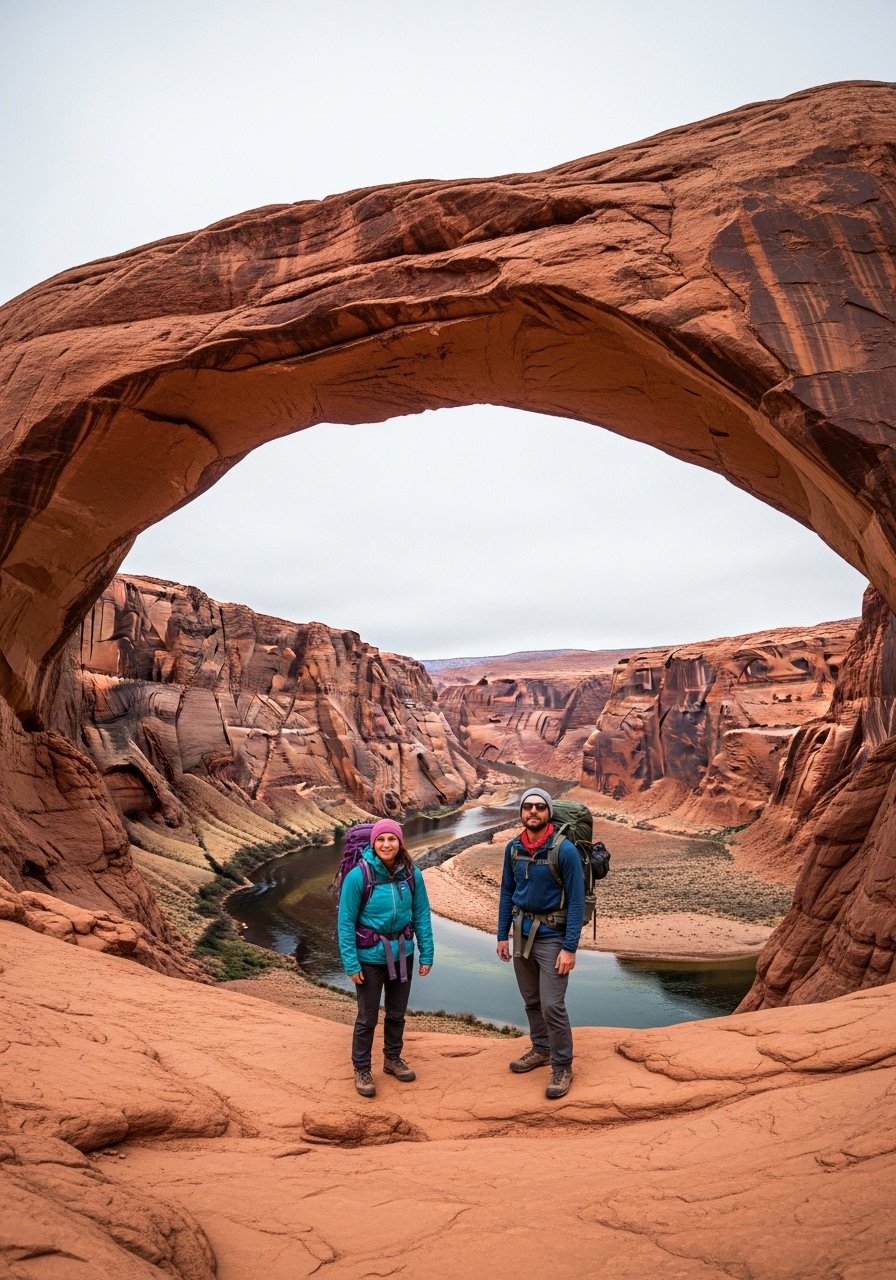
I was not a desert person before Moab. I am now. Something about red rock canyons in late afternoon light just doesn’t exist anywhere else. Arches National Park is right there, and even on the easiest trails, the scenery is something you genuinely can’t believe is real.
Driving into Arches at sunrise to avoid the midday queues is well worth setting an early alarm. The road fills up fast and they close the entrance once capacity is reached. I learned that the hard way on day one.
Canyonlands is less crowded and equally worth the drive. A few dollars entry fee, a quiet overlook, a view that goes on for fifty miles. I sat there alone for almost an hour and nobody bothered me once.
What You’ll Need for This Trip
- Sun hat with wide brim and chin strap for desert
- Hydration backpack, 2L bladder, lightweight
- Buff neck gaiter for sun and dust protection
21. Bruges, Belgium — The Quietest Beautiful City in Western Europe
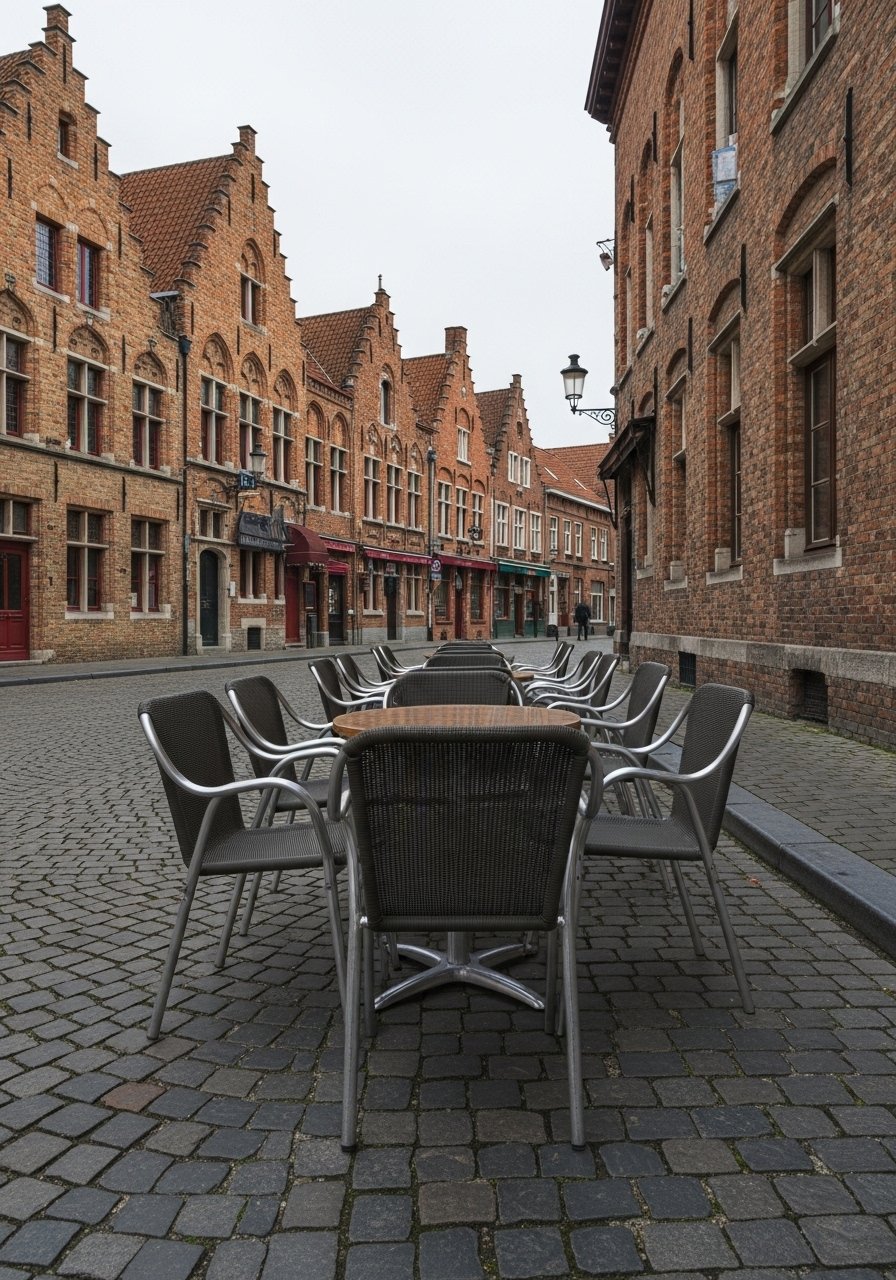
Bruges is one of those cities that could easily feel touristy and hollow. It doesn’t. Even in the tourist season, stepping off the main squares into the side streets takes you somewhere genuinely calm. The canals are beautiful in almost any light.
I did a half-day cycling tour that took me out into the flat Flemish countryside and back through the old city center. It cost about €25 and was the best money I spent on a guided activity in Belgium. Easy for a solo rider, and the guide spoke English without any issue.
The city is very small. You can walk everything in two days comfortably. Three days if you want to go slow, which I’d recommend.
What You’ll Need for This Trip
- Compact urban cycling gloves, padded palm
- Crossbody leather travel bag, small and secure
- Lightweight windproof jacket for cycling
22. Reykjavik, Iceland — Small Capital, Big Base for Solo Exploration
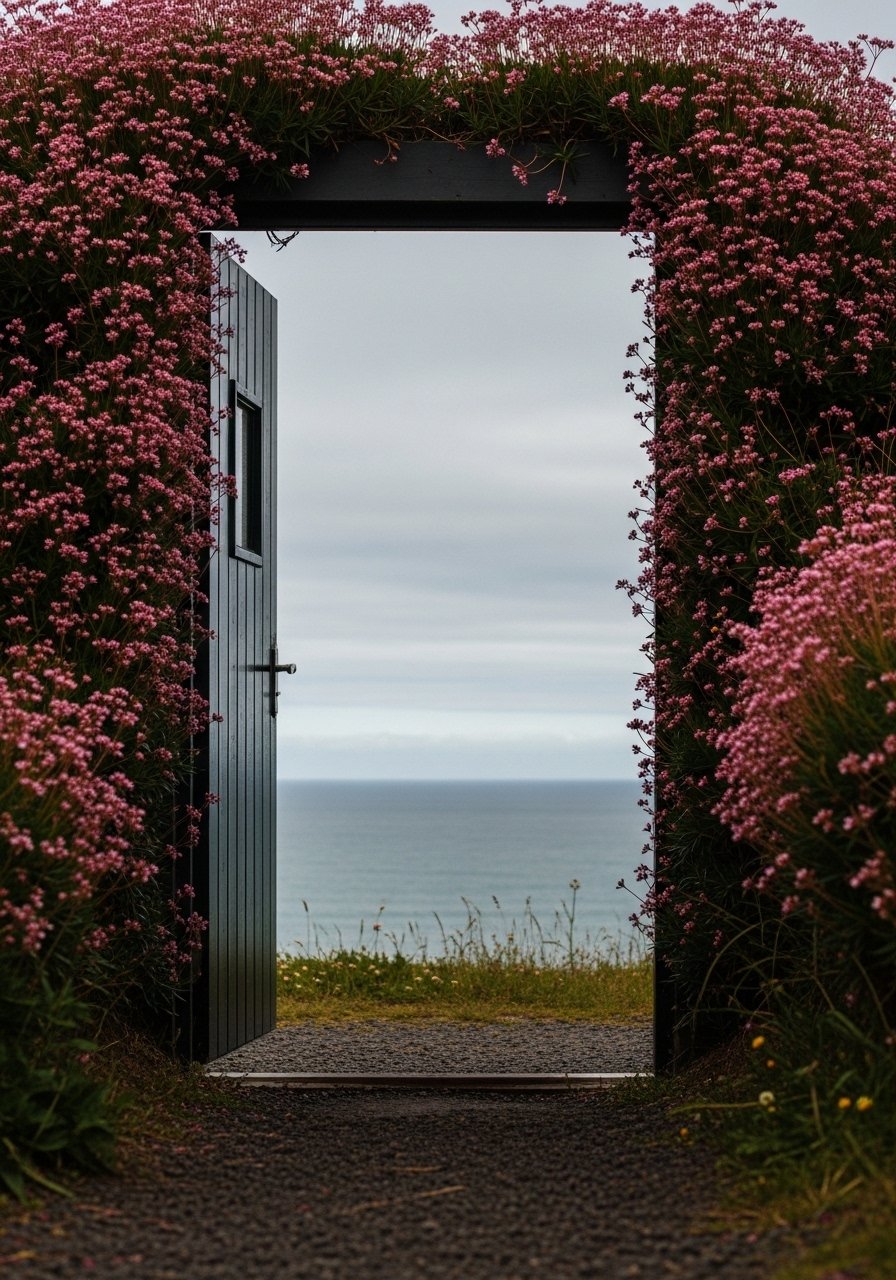
Reykjavik is small enough to walk across in forty minutes. As a solo base, it’s close to perfect. Everything is walkable, the city is safe at any hour, and most of the major natural attractions are within a two-hour drive.
I booked a day tour for the Golden Circle because I hadn’t driven on Icelandic roads yet and wanted to get the lay of the land first. It was the right call. The guide was great and the pace was comfortable for seeing the main spots without the stress of navigating alone.
I rented a car for days three and four and did my own thing after that. The combination worked really well. Start with a tour if the roads feel unfamiliar, then go independently when you’re ready.
What You’ll Need for This Trip
- Thermal base layer set, men’s or women’s
- Scratch-resistant sunglasses, bright outdoor glare
- Wool-lined gloves, windproof, touchscreen compatible
23. Dubrovnik, Croatia — Old City Walls and Clear Blue Water
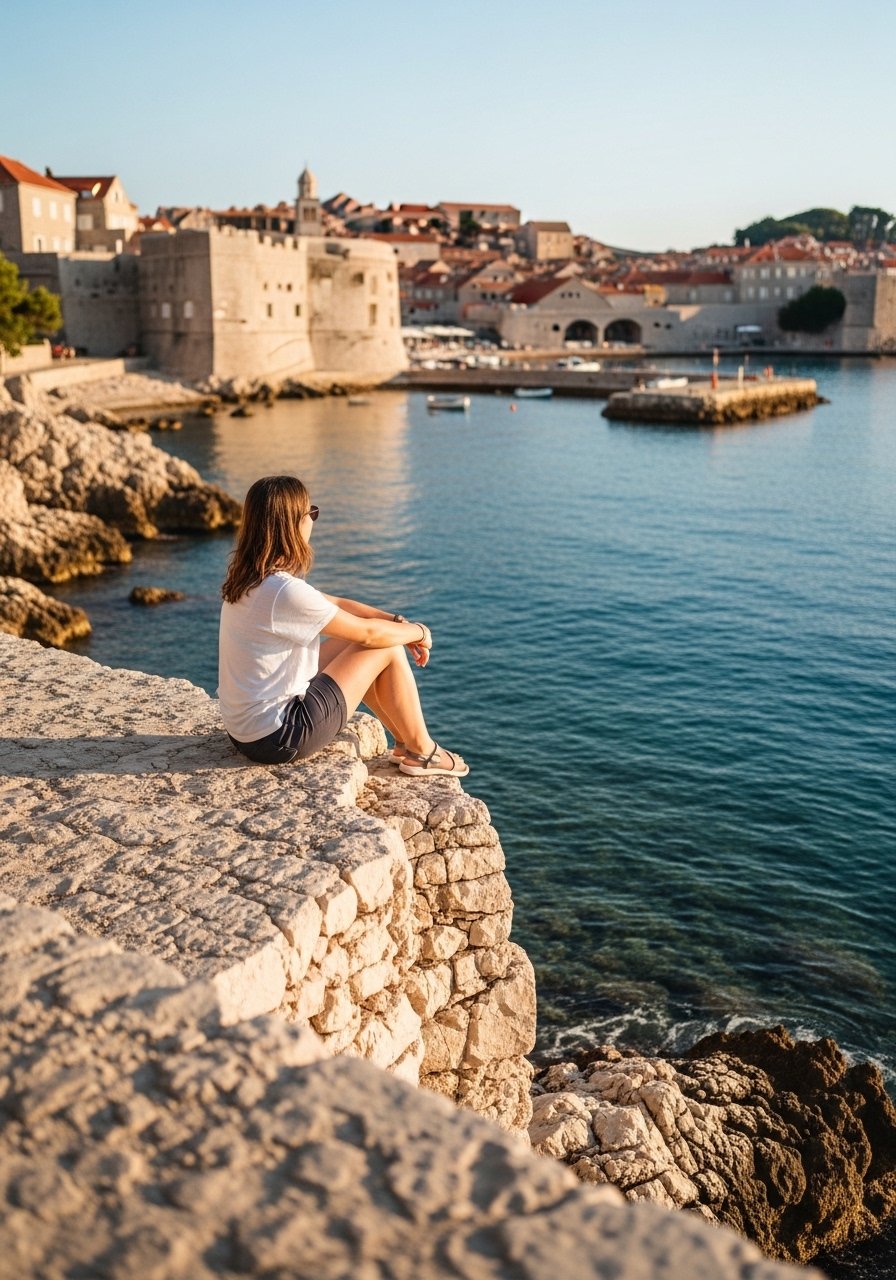
Dubrovnik has the reputation of being overcrowded in summer, and it is. But walk the city walls at 8am and you’ll find something different. The light is soft, the streets below are quiet, and the Adriatic is that impossible blue that makes you stop mid-stride.
I took a ferry to Lopud island on day three and spent the afternoon at a beach that doesn’t allow cars. It was calm in a way the main city can’t quite offer in peak season. A thirty-minute ferry, no planning required.
The old city itself is compact and easy to learn. By my second day, I was navigating it without a map. That’s the mark of a good solo destination — you stop feeling lost and start feeling familiar.
What You’ll Need for This Trip
- Packable tote bag for beach and island days
- Quick-dry swimsuit cover-up for coastal travel
- Waterproof sandals for boat and coastal trips
24. Banff, Canada — National Park Solo Travel With Good Infrastructure
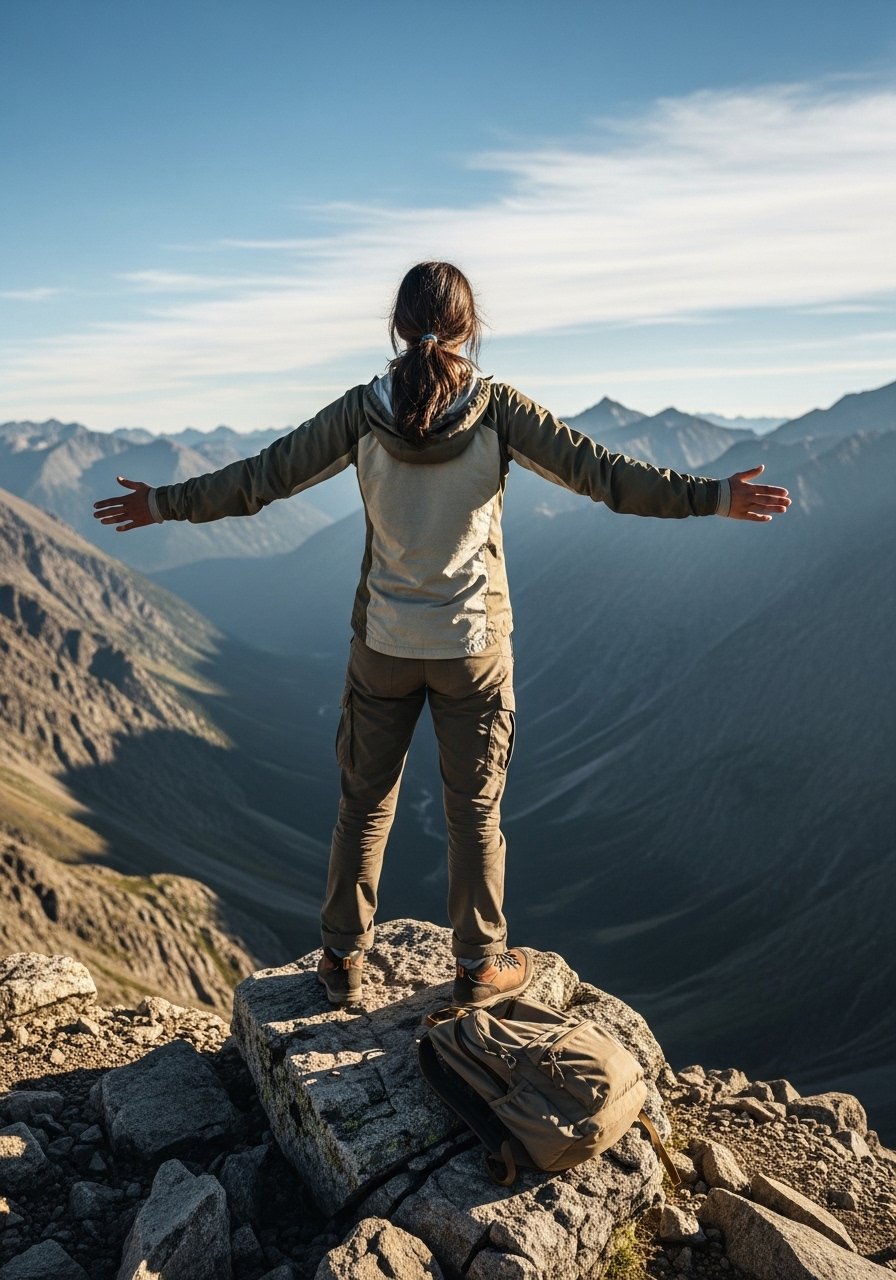
Banff is one of the most accessible national parks I’ve visited as a solo traveler. The town itself is small and easy to navigate, and there are shuttle services to most of the major trailheads that remove the need for a car entirely.
Lake Louise and Moraine Lake are the two spots everyone talks about, and they earn it. The water color is real — glacial flour makes it genuinely that turquoise. I stood at Moraine Lake at 6am and practically had the viewpoint to myself for fifteen minutes before the parking lot filled.
The wildlife here is also real. I saw a black bear from the road on day two. There are clear guidelines for what to do and good signage throughout the park. Follow them, carry bear spray, and don’t hike alone on backcountry trails.
What You’ll Need for This Trip
- Bear spray canister for national park hiking
- Lightweight 3-in-1 rain jacket for mountain weather
- Trekking daypack with hip belt, 25L
Final Thoughts
You don’t need to do all 24 of these. Pick one that feels like a quiet yes — not a loud maybe. The best first solo trip is usually the one that feels just slightly outside your comfort zone, not terrifying.
Most of the fears I had before traveling alone disappeared within the first few hours of being somewhere new. The logistics get easier. The confidence builds.
Start somewhere. The rest follows naturally.