I missed a train once because my passport and boarding pass were buried under a sweater. I’d also dug through a jammed bag for headphones in the rain. Small inefficiencies like that add up and ruin the calm I travel for.
I learned to organize for quick access. It’s not about perfection. It’s about predictable pockets, simple pouches, and a tiny grab-bag for movement.
How to Organize Travel Bag Essentials For Quick Access And Convenience
This teaches a simple system for arranging a travel bag so the things you need most are always reachable. You’ll learn how to set access zones, what goes in quick-access vs. bulk, and how to keep the bag usable day after day.
This is the approach I use every time I want a trip to feel smoother without overplanning every second.
What You’ll Need
- 35L carry-on travel backpack (front-access, padded back) — roomy, easy front pocket, durable
- 3-piece packing cubes set (varied sizes, lightweight nylon) — compress and separate by function
- Waterproof toiletry dopp kit (clear pocket option) — quick visibility at security
- Clear zip travel pouches (assorted sizes) — cords, meds, receipts
- Compact electronics organizer (padded, multiple pockets) — chargers, power bank, adapters
- RFID-blocking travel passport wallet (slim) — passports and cards in one place
- Collapsible water bottle (lightweight, BPA-free) — fits in side pocket when empty
- Travel documents (printed reservations, insurance) — keep in the passport wallet (no link)
Step-by-step guide
Step 1: Map your bag by access zones — quick, daily, bulk
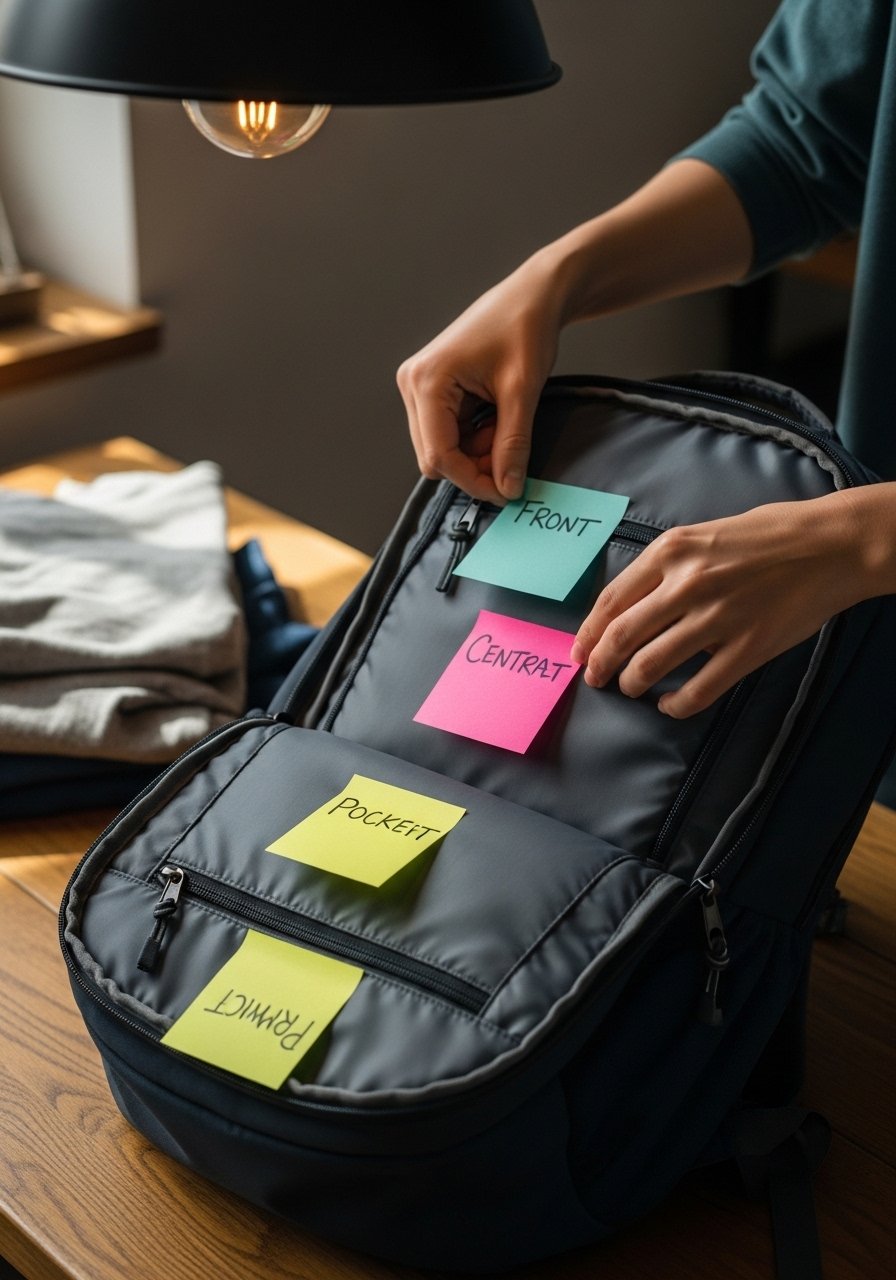
I divide the bag into three zones: quick-access (front pockets), daily (top of main compartment), and bulk (bottom/back). This orients me before I pack. It makes finding things fast and reduces that frantic rummage that ruins the morning.
Most travelers pile random items into front pockets. The insight: decide one purpose per pocket and keep it consistent. Small mistake to avoid: stuffing the quick-access pocket with heavy items — it distorts the bag and makes retrieval awkward.
Step 2: Build a quick-access pouch for travel documents and meds
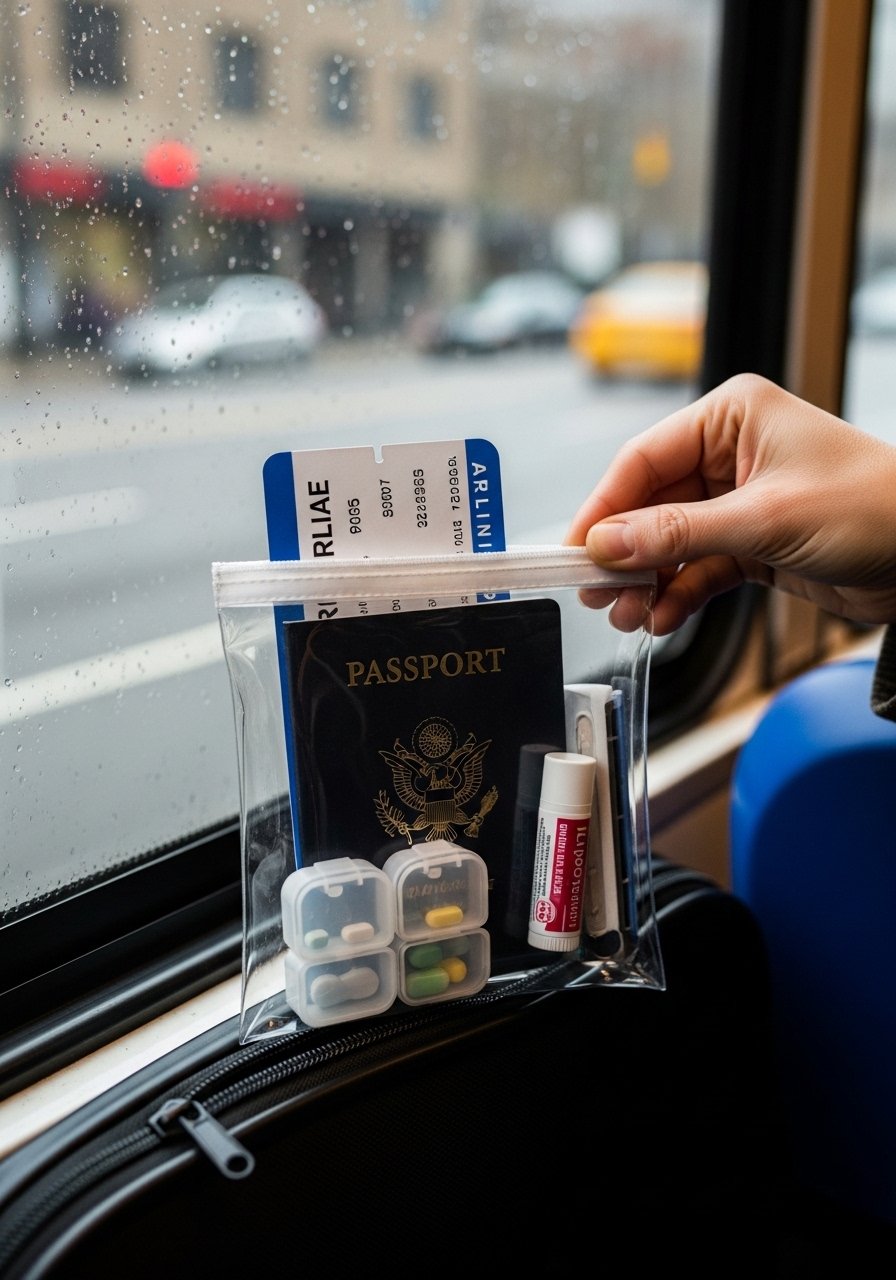
I keep passports, boarding passes, a tiny pill case, lip balm, and a pen in a single clear pouch or RFID wallet in the front pocket. When doors close or check-in lines move, I reach in without opening the whole bag. It reduces stress and saves time.
People often split these items across pockets. The insight: grouping related small items prevents fingernail-picking searches. Mistake to avoid: keeping boarding passes loose in a jacket — they get wet or lost.
Step 3: Use packing cubes by function, not by outfit
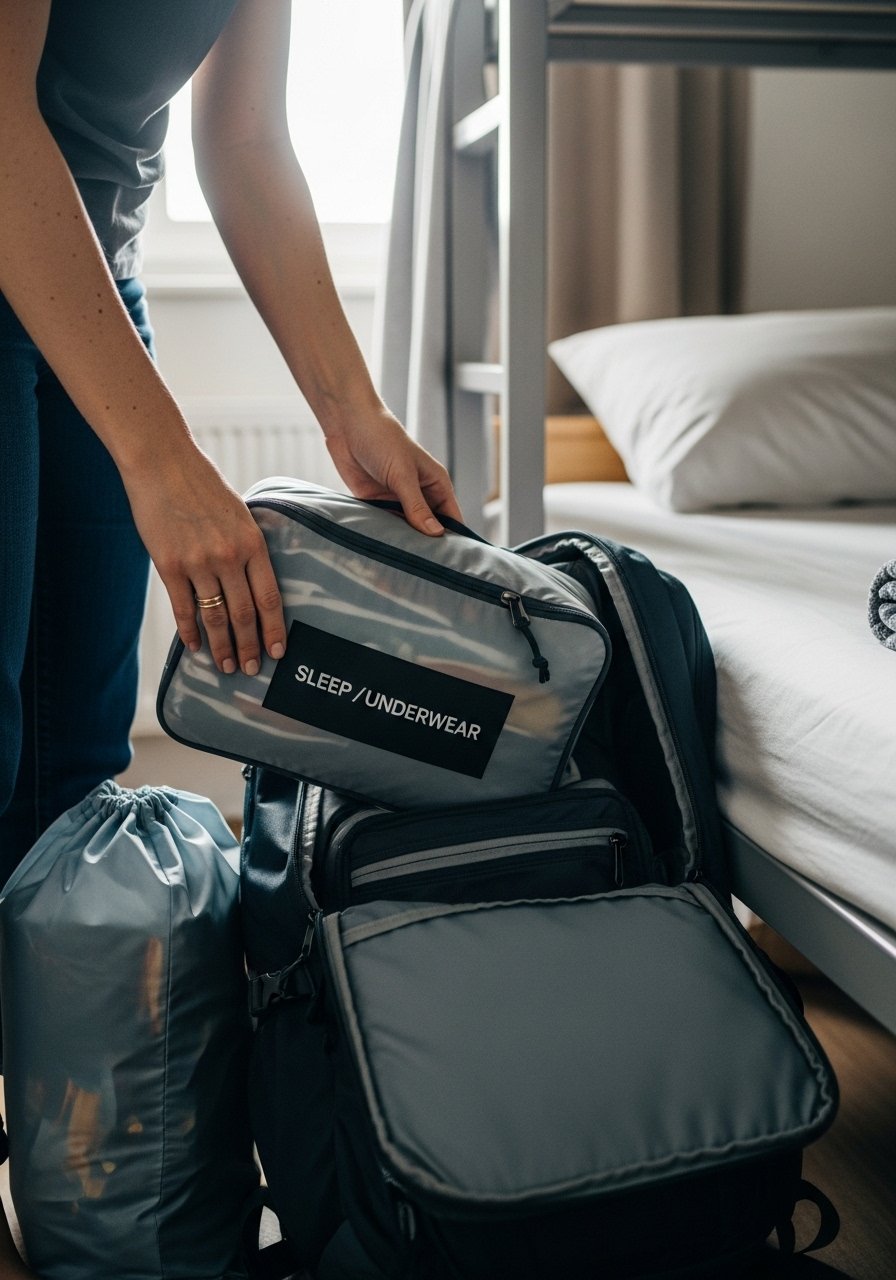
I pack cubes by function: sleep/underwear, shirts, tech/chargers. That way I can pull one cube without emptying the bag. It speeds packing and keeps things compressed. At night I can grab the sleep cube and leave the rest.
Travelers often over-organize with too many tiny cubes. Insight: fewer, well-packed cubes beat lots of micro-pouches. Mistake to avoid: overfilling cubes so they won’t fit — leave a little give for folding or last-minute buys.
Step 4: Centralize tech and cables in an electronics organizer and a clear pouch
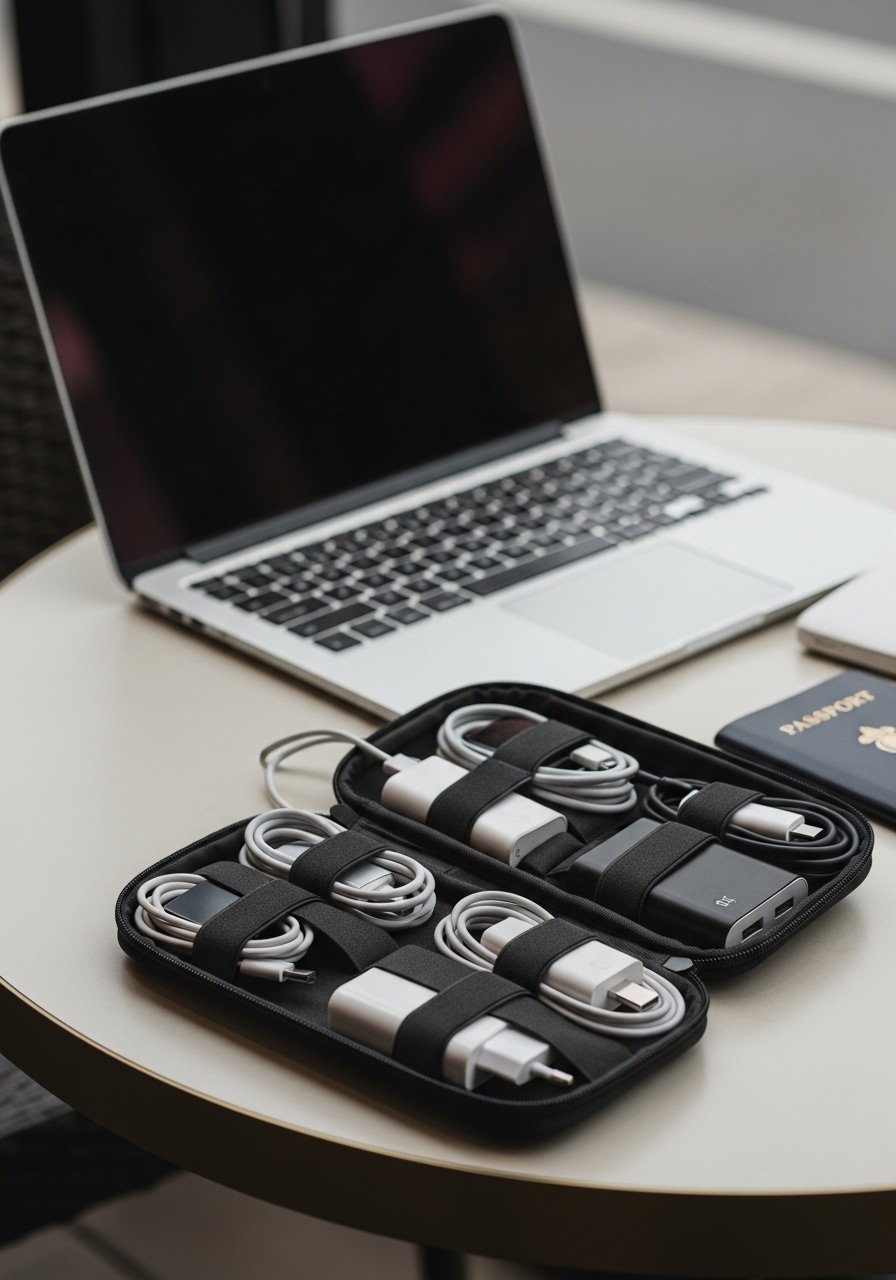
I keep one organizer for the bulk of cords and a small clear pouch for the daily cable (phone charger, earbuds). The organizer lives in the main compartment; the daily pouch stays reachable. This saves time at security and when devices need a quick charge.
People scatter cables across pockets and end up with tangles. Insight: label or color-code one cable as “daily.” Mistake to avoid: packing spare batteries or power banks in checked luggage — they belong in carry-on.
Step 5: Build a grab-and-go day kit for movement
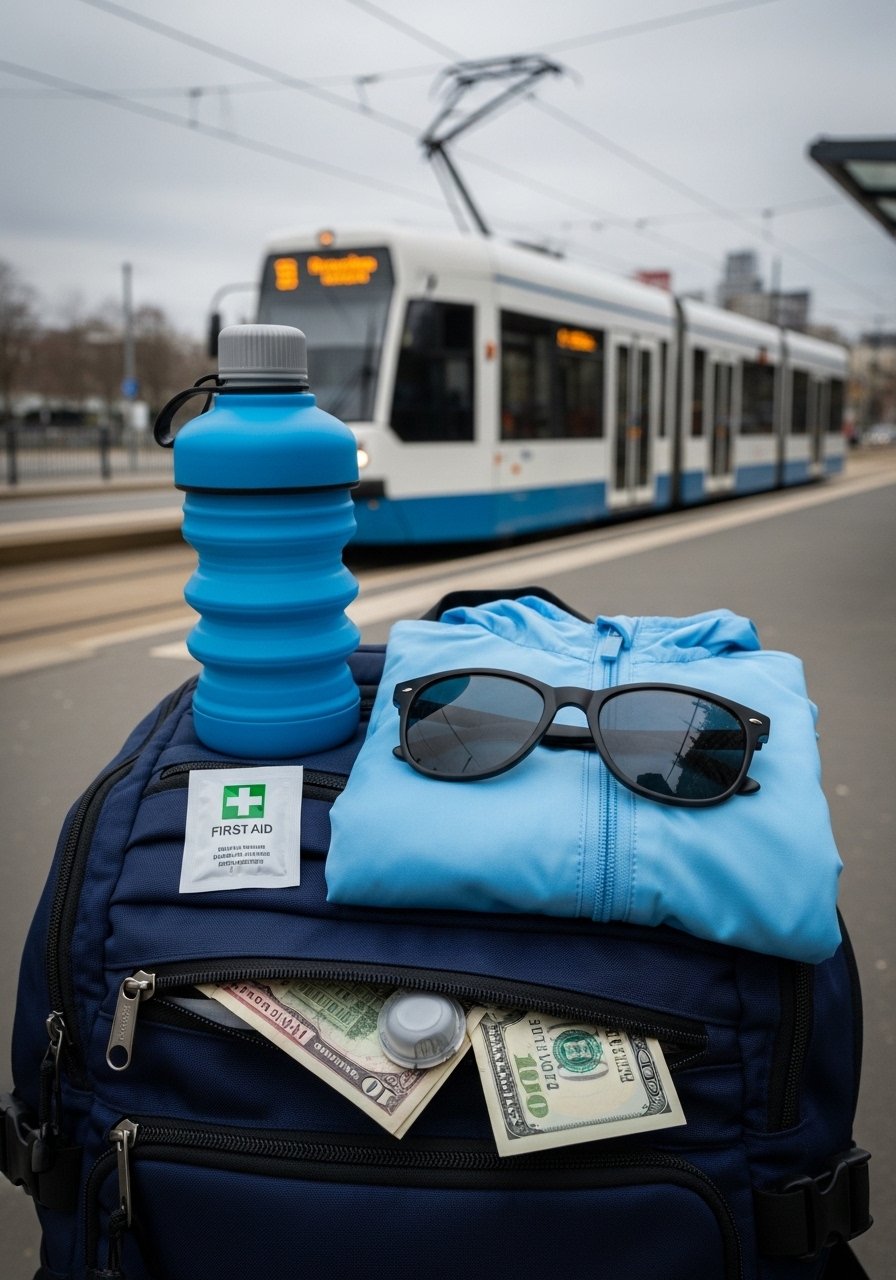
I assemble a small day kit and keep it on top or in the front pocket: water bottle, sunglasses, a light rain layer, wallet, and a tiny first-aid. If I’m running to a train or grabbing breakfast, I lift that kit and go. It keeps the main bag sealed and organized.
An insight I learned: you’ll open the main bag far less when a day kit is ready. Mistake to avoid: cramming too much into the day kit — it should be light and reachable.
What People Pack That They Never Use
I’ve seen people carry a second pair of sneakers, multiple dress shirts, and bulky toiletries that never get used. They weigh themselves down and clutter pockets.
Common unused items:
- Full-size shampoo or conditioner
- Extra formal shoes
- Multiple bulky sweaters
Try swapping one item for a compact alternative. You’ll thank yourself on stairs and trains.
How to Keep Your Bag Easy to Manage During the Trip
Reset the bag weekly. At the end of a long day, empty trash, move receipts to one pouch, and return items to their zones. Small habits keep chaos from creeping in.
Quick habits:
- Empty pockets nightly
- Re-roll shirts into cubes after laundry
- Keep one “outgoing” spot for things to throw in before leaving (keys, mask, ticket)
What Matters More Than Packing More
Accessibility beats quantity. A lighter, organized bag makes movement calm. Charge management, a reliable day kit, and a plan for laundry matter more than another sweater.
Focus on:
- One charger you actually use
- A routine for dirty clothes
- Easy access to travel documents
Final Thoughts
Start with one front pocket, one cube for daily clothes, and a simple electronics pouch. Test it before you leave for a local trip or a long train ride.
Small, consistent systems save time and frustration. You won’t need perfect packing — just predictable pockets and a tiny grab-bag you trust.